


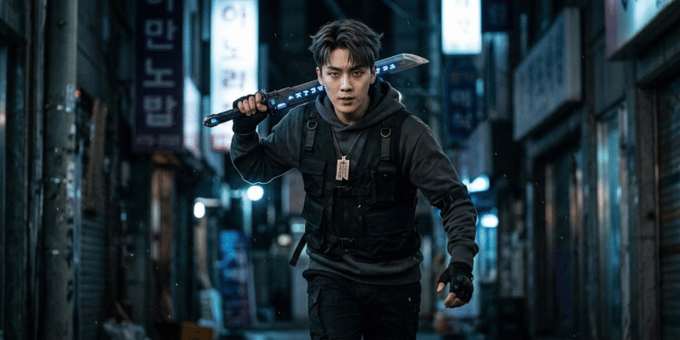
Jinu KPop searches usually refer to the fictional leader of the Saja Boys from Netflix’s KPop Demon Hunters. He was once human and became a demon centuries before the film. His story connects K-pop spectacle, guilt, romance, supernatural danger, and one of the movie’s most emotional character arcs.
Direct answer: Jinu is the lead singer and leader of the fictional K-pop group Saja Boys in K-pop Demon Hunters. He is a demon who lived as a human more than 400 years earlier. Ahn Hyo-seop provides his English-language voice, while singer Andrew Choi performs his lead vocals.
Key Facts at a Glance
| Detail | Information |
|---|---|
| Character | Jinu |
| Movie | KPop Demon Hunters |
| Group | Saja Boys |
| Role | Leader and lead singer |
| Species | Human turned demon |
| Age | More than 400 years old |
| English-speaking voice | Ahn Hyo-seop |
| Principal singing voice | Andrew Choi |
| Main rival | HUNTR/X |
| Closest connection | Rumi |
| Main songs | “Soda Pop,” “Your Idol,” and “Free” |
| Streaming home | Netflix |
| Real K-pop idol? | No, the character is fictional |
Netflix describes the Saja Boys leader as more than 400 years old. His human life took place centuries before the movie’s present-day story. That history explains his guilt, his bargain with Gwi-Ma, and his complicated relationship with Rumi.
Who Is Jinu KPop Demon Hunters Character?
The character leads the Saja Boys, a five-member boy band with a supernatural purpose. They appear to be polished K-pop idols competing for fans. Behind that image, the members are demons working for Gwi-Ma.
Their goal is bigger than chart success or fan attention. They want to weaken the Honmoon, which protects humans from demonic forces. Their music becomes part of that plan, making their idol identity central to the film’s conflict.
The group includes Romance, Mystery, Abby, Baby, and their leader. Their sweet “Soda Pop” image makes them look harmless at first. “Your Idol” later exposes a darker side of the group’s appeal and intentions.
For more celebrity, movie, and television coverage, readers can also explore Mindspaper’s entertainment section. Mindspaper Entertainment
Is He a Real K-Pop Idol?
No. The Saja Boys frontman is an animated fictional character created for KPop Demon Hunters. The Saja Boys are also fictional, although real singers perform their soundtrack vocals.
That distinction can confuse viewers because the movie treats both fictional groups like professional music acts. Their songs received real commercial releases and reached audiences outside the film. Netflix credits actual recording performers behind the Saja Boys tracks.
A real Korean singer is also known professionally as JINU. Kim Jin-woo is a vocalist in the YG Entertainment group WINNER. He is a separate person and has no identity connection with the animated Saja Boys character.
Who Voices the Saja Boys Leader?
Ahn Hyo-seop provides the character’s English-speaking voice. American viewers may recognize him from Korean dramas including Business Proposal and A Time Called You. His performance handles the dialogue, humor, anger, regret, and quieter exchanges with Rumi.
The casting also carries an interesting K-pop connection. Ahn trained as a potential K-pop performer before establishing his acting career. That background gives the role another link between Korean television culture and the movie’s fictional idol world.
Mindspaper readers interested in performers crossing between television and streaming roles can also read its Ian Ousley profile. It covers another actor associated with a major Netflix adaptation. Ian Ousley age and career profile
Who Sings the Character’s Songs?

Andrew Choi is identified by Netflix as the singing performer behind the character’s principal vocals. He performs alongside other singers who form the recorded Saja Boys lineup. That group includes Neckwav, Danny Chung, Kevin Woo, and SamUIL Lee.
The distinction between dialogue and singing matters because different performers provide each. Ahn Hyo-seop handles the spoken acting, while Choi provides the principal recorded vocals. The arrangement lets the movie combine character acting with polished pop performance.
The clearest example is “Free,” the emotional duet between Rumi and the Saja Boys leader. Netflix credits EJAE and Andrew Choi as its performers. The song gives their relationship a quieter contrast with the film’s larger pop numbers.
How Old Is He?
Netflix’s official character profile places his age at more than 400 years. He gained that unusually long existence after becoming a demon. His appearance therefore does not reflect his chronological age.
His age matters because the story depends on centuries of unresolved regret. He was once human during Korea’s Joseon era. His choices from that life continue shaping his motives throughout the movie.
Some unofficial pages assign him a normal human age based on his appearance. Those figures should not replace the official character information. Netflix explicitly describes him as more than four centuries old.
His Human Past and Deal With Gwi-Ma
Before becoming a demon, the future Saja Boys leader lived in poverty with his mother and younger sister. He wanted a life beyond hunger and hardship. That desire eventually led him toward a bargain with Gwi-Ma.
The deal brought status and comfort, but it came at a devastating cost. He left his family behind while pursuing the life he wanted. His guilt over that abandonment survives even after centuries have passed.
Gwi-Ma uses painful emotions to control others. Shame matters especially to both the demon singer and Rumi. Their shared struggle with hidden identities creates the emotional foundation of their connection.
Why His Relationship With Rumi Matters
Rumi begins as his enemy because she leads HUNTR/X. Her group protects humans, while the Saja Boys work to undermine that protection. Their first connection therefore grows inside a direct supernatural conflict.
Their relationship changes after they recognize each other’s similar fears. Both characters hide parts of themselves because they expect rejection. That shared vulnerability makes their rivalry more personal and emotionally complicated.
“Free” captures the possibility that both could escape their shame. The duet imagines a future beyond the forces controlling them. Netflix’s soundtrack guide describes the song as a moment built around their secrets, hopes, and connection.
Why “Soda Pop” and “Your Idol” Matter
“Soda Pop” introduces the Saja Boys through the bright language of an appealing pop debut. The track sounds playful while hiding more sinister intentions. Netflix notes that the lyrics hint at what the demons want from their fans.
“Your Idol” removes much of that sweetness. The group’s darker identity becomes harder to separate from its stage image. Together, the two songs show how the film uses K-pop concepts as part of its supernatural storytelling.
The musical contrast also explains why the group became memorable beyond the plot. Their songs work as fictional idol performances and as real soundtrack releases. That combination helped the characters feel closer to an actual pop act.
Readers interested in animated performers can also see Mindspaper’s profile of Jon Lovitz. It covers his long career in comedy, movies, and voice acting. Jon Lovitz career and voice-acting profile
What Happens to Him at the End?
Major spoilers begin here. The demon idol eventually turns against Gwi-Ma during the movie’s climax. He makes this decision because of the growing conflict between his mission and his feelings for Rumi.
He sacrifices himself while helping protect her. Netflix identifies his final appearance as the moment when he gives his soul to save Rumi. The act completes a redemption arc built around guilt, choice, and responsibility.
His ending also changes how viewers can interpret his earlier behavior. He begins as an antagonist serving the movie’s main supernatural threat. He ends by choosing another person over the bargain that shaped his existence.
Why the Character Became So Popular
Several elements make the Saja Boys leader memorable. He combines the polished image of an idol with the history of a tragic fantasy character. That contrast gives audiences more to discuss than his appearance or musical performances.
His connection with Rumi also gives the movie an emotional relationship outside the central team. Their scenes focus on shame, secrecy, trust, and the wish to change. Those themes raise the stakes beyond defeating one supernatural enemy.
His music adds another entry point for fans. Viewers can encounter the character through the film, soundtrack, clips, memes, and licensed merchandise. Mattel even released a movie-inspired action figure based on his “Soda Pop” appearance in 2026.
Frequently Asked Questions
Who is Jinu KPop character?
He is the fictional leader and lead singer of the Saja Boys in Netflix’s KPop Demon Hunters. He was originally human before becoming a demon centuries ago. His storyline centers on Gwi-Ma, the Saja Boys, Rumi, guilt, and eventual redemption.
Is the Saja Boys leader a real singer?
The character is not a real person. A real performer provides the vocal tracks for the soundtrack. Andrew Choi is the principal singer.
Who provides his speaking voice?
Ahn Hyo-seop provides the English-language speaking performance. He is a South Korean actor known for television dramas and film work. The role marked another international project in his acting career.
How old is the character?
Netflix lists him as more than 400 years old. His extended life follows his transformation from human to demon. His youthful, idol-like appearance therefore does not reflect his true chronological age.
Are the Saja Boys a real K-pop group?
No, the group was created for KPop Demon Hunters. Real singers recorded the group’s music, including “Soda Pop” and “Your Idol.” That real soundtrack presence can make the fictional group seem unusually authentic.
Does he die in KPop Demon Hunters?
The film presents his final act as a sacrifice to save Rumi. His soul becomes part of the power used against Gwi-Ma. The moment closes his redemption arc within the first movie.
Final Takeaway
The character works because he is more than a fictional idol designed to oppose HUNTR/X. His human past turns the supernatural rivalry into a story about guilt and second chances. His connection with Rumi then gives those themes a personal focus.
The split between Ahn Hyo-seop’s acting and Andrew Choi’s singing also strengthens the performance. One voice carries the dialogue, while the other delivers polished soundtrack vocals. Together, those elements helped create one of the film’s most discussed characters.
For U.S. viewers discovering K-pop Demon Hunters through Netflix or its music, understanding this background makes his scenes clearer. It explains the Saja Boys’ purpose, his unusual age, and his final decision. It also separates the fictional demon idol from the real WINNER vocalist who shares the same stage name.