


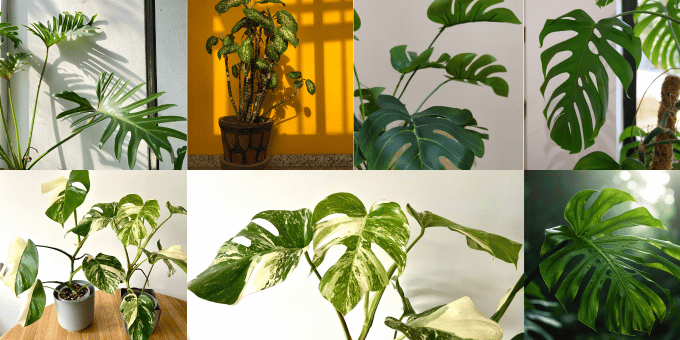
The variegated Monstera is one of the most captivating and sought-after indoor plants in modern horticulture, admired for its striking foliage and rare natural beauty. It is a unique form of the tropical plant Monstera deliciosa, distinguished by its unusual leaf patterns that feature splashes of white, cream, or light yellow alongside deep green tones.
This stunning appearance is caused by a natural genetic mutation that affects chlorophyll distribution, making each leaf visually distinct and completely unpredictable in its design. Native to the rainforests of Central and South America, the Monstera has long been valued for its large, fenestrated leaves.
Today, it has become a symbol of luxury in the plant world, often featured in interior design and social media aesthetics, where its dramatic foliage is celebrated as both a botanical wonder and a living piece of art.
| Section | Key Idea Summary |
| Introduction | Variegated Monstera is a rare, luxury indoor plant with striking white, cream, and green leaves caused by a genetic mutation. |
| What It Is | A special form of Monstera deliciosa with unstable chlorophyll distribution, creating unique leaf patterns. |
| Variegation Types | Includes sectoral, marble, and half-moon patterns with varying visual appeal and rarity. |
| Origin | Native to Central and South American rainforests; climbs trees using aerial roots. |
| Price Reasons | Rare mutation, slow growth, high demand, and difficult propagation make it expensive. |
| Varieties | Albo, Thai Constellation, Aurea, and Mint are popular types with different patterns. |
| Growth & Appearance | Large fenestrated leaves, climbing vines, aerial roots, and constantly changing patterns. |
| Care Needs | Needs bright indirect light, warm temperatures, humidity, and well-draining soil. |
| Watering | Water only when the soil is dry; overwatering can cause root rot. |
| Fertilizing | Balanced fertilizer monthly; avoid overfeeding and use organic compost. |
| Propagation | Done through stem cuttings or tissue culture (for stable varieties). |
| Problems | Issues include reverting to green, leaf browning, slow growth, and pests. |
| Aesthetic Value | Popular in interior design as a luxury, tropical décor plant. |
| Symbolism | Represents rarity, luxury, growth, and transformation; popular in social media trends. |
What Is a Variegated Monstera?
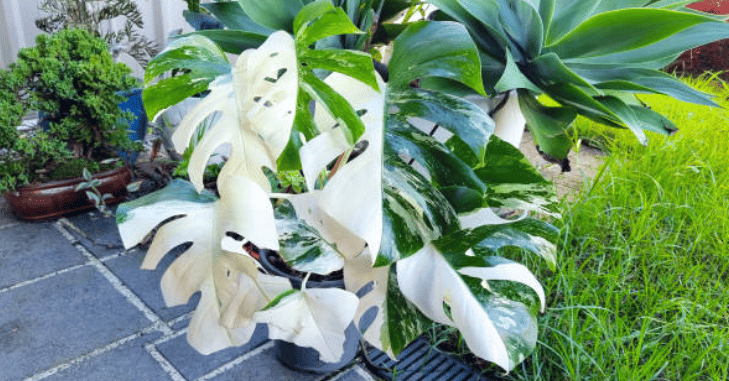
The variegated Monstera is a rare and highly prized form of the tropical plant species Monstera deliciosa variegata, which belongs to the Araceae family. In its natural green form, Monstera deliciosa is already well known for its iconic large, fenestrated leaves, meaning the leaves develop natural splits and holes as they mature, helping the plant adapt to wind and rain in its native rainforest habitat.
However, in the variegated version, a genetic mutation affects chlorophyll production, the pigment responsible for green coloration and photosynthesis. As a result, sections of the leaves lose their green pigment and instead develop striking patterns of white, cream, or sometimes pale yellow coloration, creating a dramatic contrast against the remaining green areas.
This mutation is naturally unstable and does not occur predictably or consistently, which is one of the main reasons the plant is considered rare. Because of this instability, each variegated Monstera grows differently, and its leaf patterns can change from one leaf to the next depending on how the plant distributes chlorophyll during growth.
Why Is It Called “Variegated”?
“Variegation” refers to the presence of multiple colors in plant leaves due to uneven distribution of chlorophyll. In variegated Monstera plants, this results in three main patterns:
- Sectoral variegation – Large blocks of white or cream
- Marble variegation – Swirled mix of green and white
- Half-moon variegation – One half green, one half white (highly prized)
- The more white a plant has, the more visually striking it becomes—but also the more difficult it is to maintain.
Origin and Natural Habitat
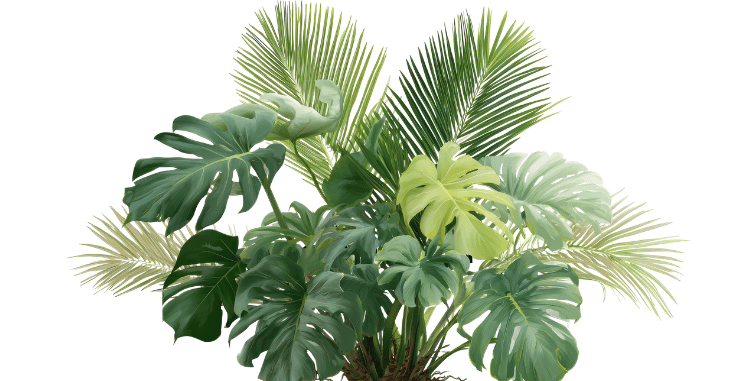
The Monstera genus is native to the tropical rainforests of Central and South America, particularly Mexico and Panama. In the wild, Monstera plants climb trees using aerial roots, growing toward filtered sunlight under the forest canopy. Variegated forms do not typically survive long in the wild because the white sections lack chlorophyll, making photosynthesis less efficient. This is one reason they are rare in nature and mostly cultivated through propagation.
Why Is Variegated Monstera So Expensive?
| Factor | Explanation |
| Rare Genetic Mutation | Variegation is unpredictable and unstable, and not all cuttings produce variegated leaves. |
| Slow Growth | White parts cannot photosynthesize, so the plant grows more slowly than a normal Monstera deliciosa. |
| High Demand | Social media trends and plant collectors have created a very high global demand. |
| Propagation Difficulty | Maintaining stable variegation through cuttings is not guaranteed. |
Types of Variegated Monstera
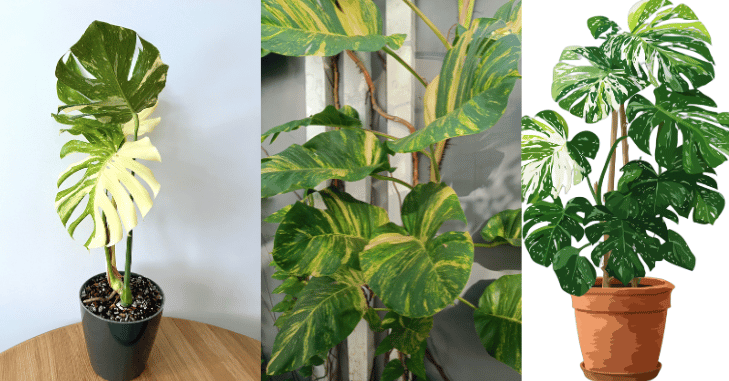
There are several popular forms of variegated Monstera:
1. Albo Variegata
- White or cream-colored patches
- Most common variegated form
- Highly unstable but very popular
2. Thai Constellation
- Creamy yellow speckled pattern
- More stable variegation
- Produced in labs (tissue culture)
3. Aurea Variegation
- Yellow or lime-green tones
- Rare and highly collectible
4. Mint Variegation
- Soft mint-green tones mixed with white
- Extremely rare in the market
Growth and Appearance
A mature variegated Monstera can grow into a large and dramatic indoor plant, characterized by huge split leaves known as fenestrations, which give it its iconic tropical appearance. As it develops, it produces aerial roots that naturally climb supports like moss poles or nearby structures, helping it grow upward in its natural vining habit.
Over time, the plant also forms thick, sturdy stems that support its increasing size and weight. One of its most fascinating features is that its variegated patterns change with each new leaf, making every growth stage visually unique.
Interestingly, both leaf shape and variegation can vary depending on light exposure and overall plant health, meaning that proper care directly influences their beauty and structure.
Ideal Growing Conditions
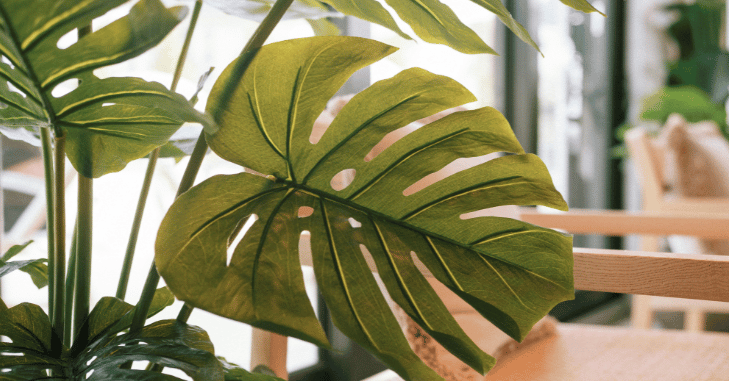
To keep a variegated Monstera healthy, you need to replicate tropical conditions as closely as possible.
Light
- Bright, indirect sunlight is essential
- Too little light reduces variegation
- Direct sunlight can burn the white portions
Temperature
- Ideal range: 18°C to 30°C
- Avoid cold drafts and sudden temperature drops
Humidity
- Prefers 60%–80% humidity
- Dry air can cause leaf browning
Soil
- Well-draining aroid mix (peat, bark, perlite)
- Must avoid waterlogging
Watering Needs
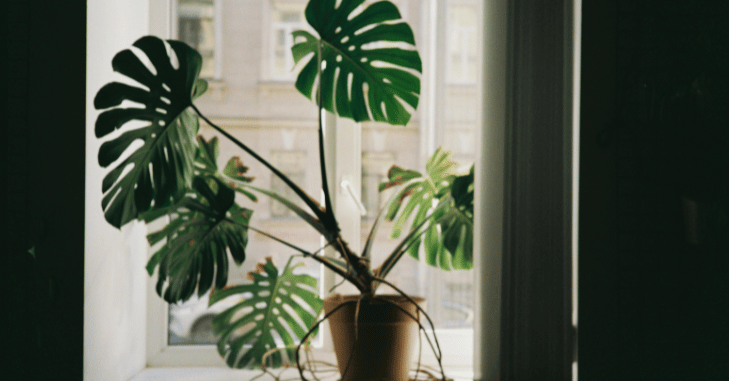
Variegated Monstera are highly sensitive to overwatering, so proper watering habits are essential for their health. It is best to water the plant only when the top 2–3 inches of soil feel dry to the touch, ensuring that the roots are not constantly sitting in moisture. During the winter season, watering should be reduced further because the plant’s growth naturally slows down, and it requires less water.
Additionally, using pots with proper drainage holes is very important to allow excess water to escape easily. If these precautions are not followed, overwatering can quickly lead to root rot, which is especially dangerous for slower-growing variegated forms of Monstera.
Fertilizing Tips
To support healthy growth, it is important to use a balanced liquid fertilizer on a monthly basis during the growing season, as this provides essential nutrients that help the plant thrive. However, over-fertilizing should be avoided because it can damage or burn the roots, leading to poor plant health.
In addition, incorporating organic compost or worm castings into the soil is highly beneficial, as these natural amendments improve soil structure and provide a steady release of nutrients, promoting stronger and more sustainable growth.
Propagation Methods
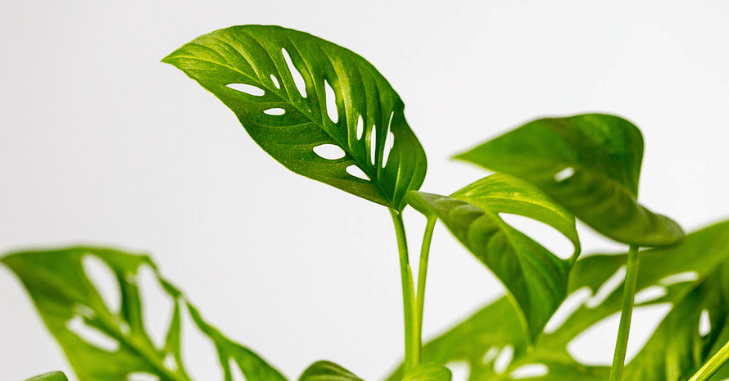
Propagation is one of the most exciting parts of Monstera care.
Stem Cutting
- Cut below a node with an aerial root
- Place in water or sphagnum moss
- Wait for roots before potting
Tissue Culture (Commercial)
- Used for Thai Constellation
- Ensures stable variegation
Common Problems and Challenges
| Problem | Description |
| Reverting to Green | If a plant produces too many green leaves, variegation may decrease over time. |
| Leaf Browning | White sections are fragile and prone to browning due to a lack of chlorophyll. |
| Slow Growth | This is normal because reduced chlorophyll lowers photosynthesis. |
| Pest Issues | Spider mites and thrips are common indoor pests affecting the plant. |
How to Encourage Better Variegation?
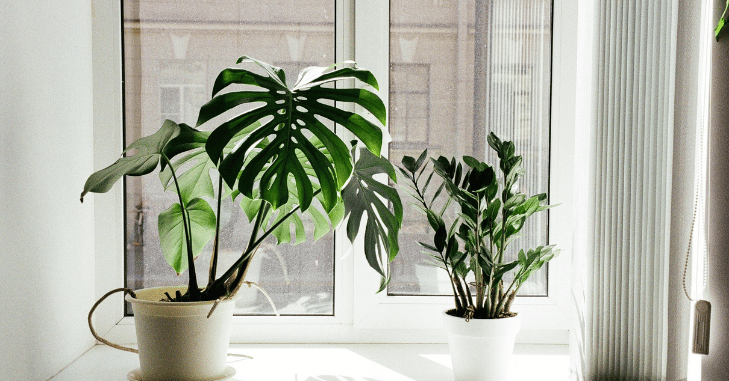
While you cannot “create” variegation, you can help maintain it:
- Provide strong indirect light
- Prune fully green stems
- Rotate the plant regularly
- Avoid low-light environments
Indoor Aesthetic Value
The variegated Monstera is not just a plant—it is a design statement. Interior designers often use it to:
- Add a tropical luxury feel to homes
- Enhance modern minimalist interiors
- Serve as a living focal point in rooms
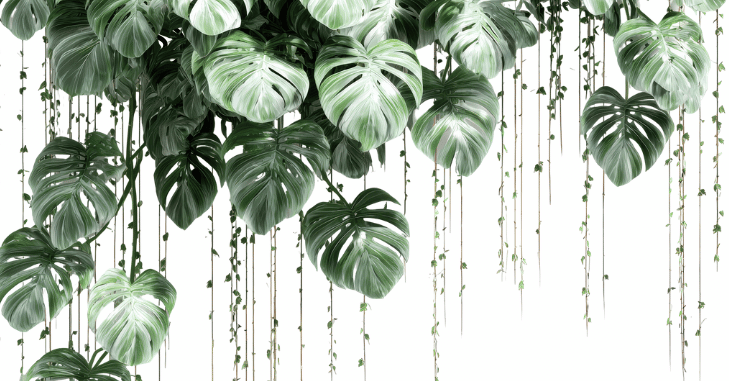
- Its large, artistic leaves make it resemble natural living artwork.
Symbolism and Popularity
In plant culture, the variegated Monstera symbolizes rarity and uniqueness, as its unpredictable leaf patterns make each plant one of a kind. It is also widely associated with luxury and sophistication, largely due to its high market value and striking visual appeal that stands out in any interior space.
Beyond aesthetics, it represents growth and transformation, reflecting how the plant evolves over time, with each new leaf displaying different patterns and shapes. Its rise in popularity is strongly linked to Instagram plant trends and modern home décor movements, where it has become a visual icon in stylish, minimalist, and tropical-inspired living spaces.
Is It Worth Buying?
Whether it is “worth it” depends on your expectations:
Pros
- Stunning visual appeal
- Highly collectible
- Unique leaf patterns
- Strong decorative impact
Cons
- Expensive
- Requires careful maintenance
- Unstable variegation
- Slow growth
Conclusion
The variegated Monstera stands as one of the most extraordinary creations in the world of indoor plants, blending natural genetics, rare beauty, and modern luxury into a single living masterpiece. Its unpredictable leaf patterns, shaped by a unique chlorophyll mutation, make every plant truly one of a kind, with no two leaves ever identical.
From its rainforest origins to its rise as a global design icon, it has captured the attention of plant collectors, interior designers, and social media enthusiasts alike. Although it requires careful attention, patience, and proper care, the reward is a breathtaking plant that continues to evolve and surprise with every new leaf.
Want to know about Lucky Bamboo Care: Complete Guide to Water, Light, Soil, Fertilizing, Pruning, Repotting, Pest Control, Maintenance & Growth Tips for Healthy Plants Check out our Featured category.
FAQs
It is expensive due to its rare genetic mutation, slow growth, high demand, and difficulty in propagation.
Yes, if the plant produces too many green leaves, variegation may reduce or disappear.
Water only when the top 2–3 inches of soil are dry to avoid root rot.
No, it prefers bright, indirect sunlight; direct sun can damage the white parts of the leaves.
The Thai Constellation is one of the most popular and stable varieties.
It is better suited for intermediate plant owners because it needs careful watering, light, and humidity control.