



Introduction
Finding the best fuel injector cleaner is essential for maintaining your vehicle’s performance. This article explores key factors such as price, direct injection compatibility, and specific applications for motorbikes and cars. This also discusses efficiency, distance consumption, power restoration, and additional benefits. By understanding these aspects, you can make an informed choice for your vehicle’s needs.
Why Choosing the Right Fuel Injector Cleaner Matters
Selecting the right fuel injector cleaner can make a noticeable difference in your vehicle’s performance, as these additives are specifically formulated to remove carbon deposits and contaminants that build up in the fuel system over time. Clean fuel injectors help improve fuel atomization, which promotes more efficient combustion and can lead to smoother engine operation, better throttle response, and reduced emissions. Many high-quality cleaners also contain detergents designed to dissolve stubborn grime without harming sensitive engine components, making them a smart preventive maintenance step for drivers who want to protect their engine’s longevity. By understanding how these products work and how they contribute to overall engine health, motorists can make more informed decisions that support both performance and efficiency.
Best Fuel Injector Cleaner
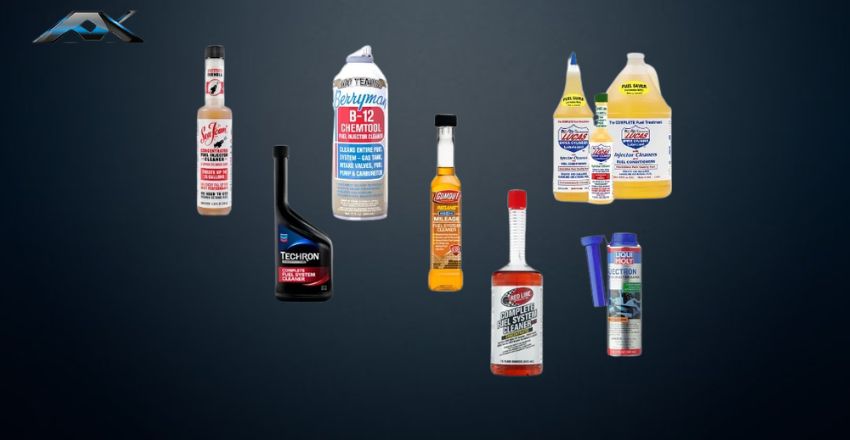
Choosing the best fuel injector cleaner is vital for maintaining your vehicle’s performance and efficiency. You can ensure optimal fuel delivery by understanding the different types available, such as professional and DIY options, and their specific applications for cars and motorbikes. Regular use enhances fuel economy and prolongs engine life, saving you money in the long run.
Price
Price is an important factor to consider when looking for the best fuel injector cleaner. Prices typically range from $5 to $30 per bottle. While cheaper options might be tempting, investing in a higher-quality cleaner often results in better performance and longevity. Researching customer reviews and product effectiveness can help you find a cleaner that fits your budget and needs. Remember, a good cleaner can prevent costly repairs down the road.
Direct Injection
Direct injection engines are common in modern vehicles and offer better fuel efficiency and power. However, they can accumulate carbon deposits quickly, which may hinder performance. The best fuel injector cleaner for direct injection systems is specifically formulated to combat this issue. These cleaners penetrate and break down carbon buildup, ensuring fuel injectors operate efficiently.
Motorbikes
Motorbikes also require regular maintenance, and the best fuel injector cleaner can significantly enhance their performance. Motorbikes often have smaller fuel systems that can get clogged with debris. The right cleaner will safely remove buildup, improving throttle response and efficiency.
Some brands even offer specialized motorcycle formulations, ensuring you get the best results without harming the engine.
Cars and Other Vehicles
Cars, trucks, and SUVs benefit greatly from using a good fuel injector cleaner. These vehicles’ best fuel injector cleaners can improve fuel economy, restore lost power, and reduce emissions. Many cleaners are compatible with various vehicle types, making them versatile options for most drivers. Using a cleaner tailored to your vehicle’s needs lets you keep your fuel system in top shape and enjoy a smoother driving experience.
Efficiency
Fuel efficiency is crucial for both environmental and economic reasons. The best fuel injector cleaner can help improve this efficiency by ensuring a clean and efficient fuel flow to the engine. When injectors are clogged, the engine burns fuel less effectively, leading to poor mileage.
A quality cleaner removes deposits, allowing for better fuel atomization and combustion. This can lead to noticeable savings at the pump and a reduced carbon footprint.
Distance Consumption
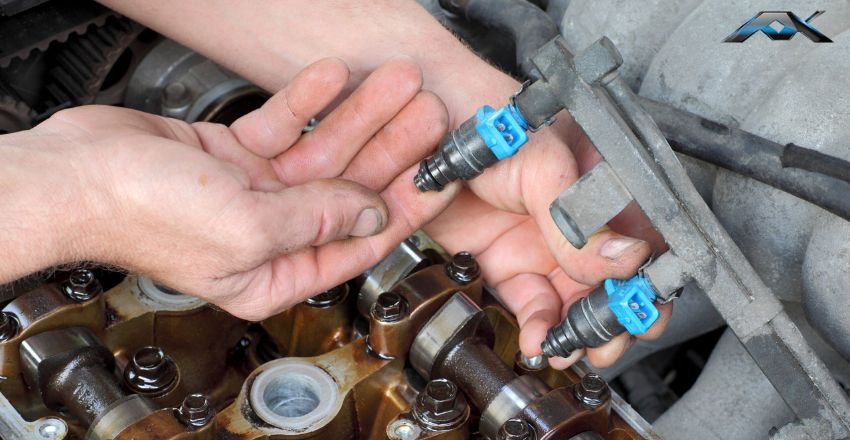
How far you can drive on a fuel tank is often affected by the condition of your fuel injectors. Dirty or clogged injectors can lead to more frequent stops at the gas station. The best fuel injector cleaner helps maximize the distance your vehicle travels by ensuring fuel is delivered efficiently. Cleaner injectors lead to better performance and improved mileage, allowing you to get the most out of each tank. Regular use can significantly affect how often you need to refuel.
Power
Power is vital to vehicle performance, especially for those requiring quick acceleration or towing capabilities. Clogged fuel injectors can lead to sluggish acceleration and reduced power. The best fuel injector cleaner effectively cleans out deposits, allowing for improved fuel flow and engine responsiveness. This power restoration can make a noticeable difference in how your vehicle performs, especially under demanding conditions.
Additional Benefits
In addition to the primary benefits of improved efficiency and power, the best fuel injector cleaner can offer other advantages. These products often help reduce engine knocking, improve cold starts, and lower harmful emissions. Many formulations also include additives that protect against rust and corrosion, extending the life of your fuel system.
Choosing the Right Cleaner
Choosing the best fuel injector cleaner can be daunting with so many options. Look for products that specify compatibility with your vehicle type, whether it’s a car, truck, or motorcycle. Consider formulations that address specific needs, such as direct injection or cleaning agents designed for high-performance engines.

Types of Fuel Injector Cleaners
Professional vs. DIY Cleaners: There are products designed for professional use that require specialized equipment, while many over-the-counter options can be used at home. Understanding the difference helps you choose based on your comfort level and needs.
| Type of Cleaner | Description | Price Range |
| Professional Cleaners | Require specialized equipment for deep cleaning. | $20 – $50 |
| DIY Cleaners | Suitable for home use, easy to apply | $5 – $30 |
| Solvent-Based | Dissolves carbon deposits quickly, maybe harsher | $10 – $30 |
| Non-Solvent-Based | Gentler formulas, safe for regular use | $8 – $25 |
| Motorcycle-Specific | Formulated for motorcycle engines | $10 – $25 |
| High-Performance Cleaners | Designed for performance vehicles | $15 – $35 |
· Solvent-Based vs. Non-Solvent-Based: Some cleaners use solvents to dissolve carbon deposits, while others use detergents and additives. Solvent-based cleaners may work faster but can be harsher on some systems, whereas non-solvent options are gentler and safer for regular use.
Frequency of Use
· Regular Maintenance: Depending on your driving habits and vehicle type, regular use of fuel injector cleaners can vary. Many manufacturers recommend using a cleaner every 3,000 to 5,000 miles, which may change based on fuel quality and driving conditions.
· Emissions Reduction: A clean fuel injector helps improve combustion efficiency, leading to lower emissions. Using the best fuel injector cleaner benefits your vehicle and contributes positively to the environment.
Conclusion
In conclusion, selecting the best fuel injector cleaner is crucial for maintaining your vehicle’s performance and efficiency. You can make an informed choice by considering factors like price, compatibility, and your engine’s specific needs. Regularly using a quality cleaner enhances fuel economy and power and contributes to a smoother, more reliable driving experience, saving you money in the long run.
If you want to read an interesting article about it, explore our “Automobile” category.
FAQs
A fuel injector cleaner removes carbon deposits from fuel injectors to enhance performance.
It’s recommended to use it every 3,000 to 5,000 miles.
But ensure you choose a cleaner specifically designed for diesel.
Most drivers use a fuel injector cleaner every few thousand miles or during routine maintenance, depending on driving habits and fuel quality.
Most fuel injector cleaners are safe for gasoline engines when used as directed, but it’s always important to check product compatibility with your vehicle.