


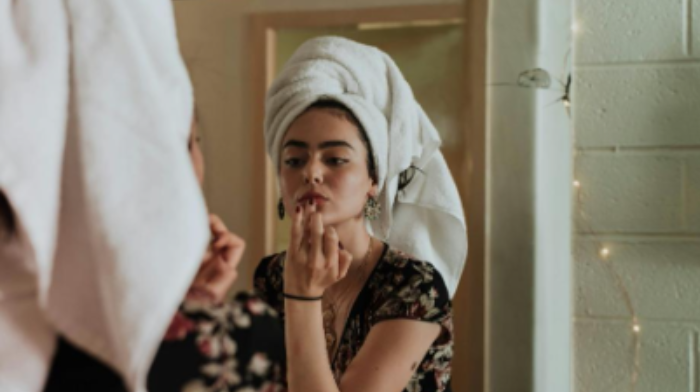
For decades, conversations around self-care have been framed almost exclusively in terms of diet, exercise, meditation, and therapy. While these elements are undeniably vital, one aspect has often been overlooked: cosmetic health. The way people feel about their appearance profoundly shapes their confidence, which in turn influences their mental and emotional well-being.
Yet cosmetic treatments remain surrounded by stigma, often dismissed as vanity or superficial indulgence. This misperception ignores the deeper reality—when people feel aligned with their outward appearance, it often creates lasting improvements in self-esteem and resilience.
Once the stigma fades, the practical questions start — chiefly which non-surgical face enhancements are more popular and what results are realistic from each.
Recognizing cosmetic health as a legitimate part of self-care reframes the conversation around wellness. It is not about chasing perfection or conforming to unrealistic ideals. Instead, it is about empowering individuals to feel comfortable in their own skin, supporting both their confidence and mental health.
The Role of Self-Perception in Well-Being
How a person sees themselves dictates how they engage with the world. A positive self-perception lays the groundwork for constructive behaviors, balanced emotions, and healthy coping strategies. When individuals feel more assured in their appearance, it can create a ripple effect that strengthens self-confidence and enhances their overall outlook.
Services offered by institutions such as Avané Cosmetic Dermatology and Plastic Surgery Clinic demonstrate how aligning outward appearance with personal comfort can encourage this sense of assurance. Rather than being about vanity, these changes often support a deeper psychological shift—helping people feel more at ease in social settings, more resilient when facing challenges, and more motivated to pursue personal growth.
Self-confidence, in this sense, acts as a lens through which experiences are filtered. For example, a confident individual receiving constructive criticism may interpret it as an opportunity to grow, whereas someone struggling with low self-esteem may view the same feedback as confirmation of inadequacy.
Cosmetic Health as a Tool for Stress Reduction
Stress is inevitable, but the way people manage it often depends on their self-confidence. Individuals who feel at peace with themselves are better equipped to handle setbacks without being overwhelmed. Cosmetic health, when framed as part of self-care, can play a subtle yet meaningful role in this process.
For example, someone who feels self-conscious about a particular feature may experience heightened stress in social or professional settings. Addressing that concern, whether through skincare, minor procedures, or personal grooming choices, can reduce the mental burden.
Cosmetic Confidence and Social Connection
Human beings are deeply social, and appearance plays a significant role in how individuals present themselves and form relationships. Confidence, supported by positive self-perception, often determines whether people engage openly or withdraw out of insecurity. Cosmetic health can serve as an enabler in this regard, helping individuals feel less inhibited about connecting with others.
Someone who feels comfortable in their own skin is more likely to initiate conversations, participate in group activities, and set boundaries in relationships.
The Confidence–Anxiety Relationship
Confidence and anxiety are tightly linked. Low self-confidence often amplifies anxious thought patterns, while anxiety erodes confidence further, creating a vicious cycle. Cosmetic concerns can fuel this loop when individuals constantly worry about being judged for their appearance.
By addressing such concerns proactively, cosmetic health can help break this cycle. Small improvements that ease self-consciousness—whether clearer skin, balanced features, or simply improved self-care routines—reduce the triggers of social anxiety.
Cosmetic Health and Resilience Against Low Mood
Feelings of hopelessness or worthlessness often characterize low mood and depression. A lack of confidence can intensify these emotions, making setbacks feel insurmountable. While cosmetic health alone cannot resolve depression, it can serve as a meaningful support.
Building Confidence Through Cosmetic Self-Care Practices
Cosmetic health is not limited to medical or aesthetic treatments. It also includes everyday practices that reinforce self-worth. Approaching these activities as acts of self-care, rather than obligations, shifts their meaning from superficial to empowering.
- Skincare Rituals – Regular routines remind individuals that they are worth the time and effort, reinforcing positive self-image.
- Personal Grooming – Simple actions like styling hair or dressing with intention boost confidence for daily interactions.
- Cosmetic Enhancements – When chosen thoughtfully, treatments or procedures can remove insecurities that undermine mental health.
These practices, whether minimal or advanced, serve the same psychological purpose: strengthening the inner belief that one deserves care and respect.
Shifting Cultural Attitudes Toward Cosmetic Health
Much of the stigma surrounding cosmetic health arises from cultural narratives that label it as vanity. These narratives overlook the psychological and emotional benefits tied to self-perception. As conversations around mental health and self-care evolve, it’s important to broaden the definition of wellness to include cosmetic aspects.
Social media and cultural expectations often impose unrealistic standards, which can damage self-esteem. However, reframing cosmetic health as a personal, empowering choice rather than a pursuit of perfection helps dismantle harmful stigma.
Cosmetic Health in Professional and Personal Growth
Appearance confidence often extends into professional environments. Employees who feel secure in their self-image are more likely to participate actively, share ideas, and pursue opportunities without fear of judgment. This confidence improves workplace engagement, reducing the risk of stress and burnout.
Cosmetic health deserves to be recognized as a legitimate part of self-care. By breaking the stigma and reframing it as an empowering tool, society can help individuals embrace the full spectrum of wellness—physical, emotional, and psychological.
Apart from that, if you want to know more about Top Cosmetic Dental Treatments in Thailand in 2025 then visit our Health category.