


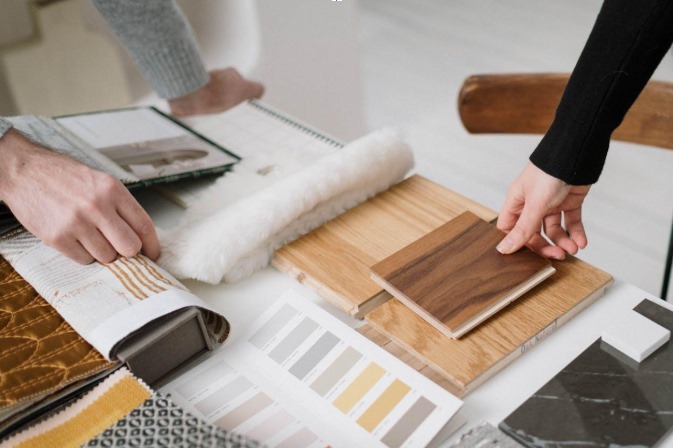
Many people dream of transforming spaces and creating beautiful environments for others. The question that keeps popping up is whether you can actually pay your bills doing what you love. The short answer? Yes, but it takes smart planning and persistence.
Interior design offers genuine career potential, but success depends on several factors. Let’s explore what it really takes to build a sustainable income in this creative field.
Earning Potential in Interior Design
Your income as an interior designer varies widely based on where you work and what you specialize in. Designers in major cities typically earn more than those in smaller towns, simply because clients have bigger budgets and higher expectations.
Experience plays a huge role too. New designers might start around $35,000 annually, while seasoned professionals can earn six figures or more. The type of projects you take on matters as well. Residential work often pays differently than commercial projects, and luxury clients generally offer higher fees.
Location isn’t just about salary ranges. It affects your client base, competition, and operating costs. A designer in New York faces different challenges and opportunities than someone working in a mid-sized Midwestern city.
Education and Skill Development
Formal education gives you credibility and foundational knowledge. Most successful designers have degrees in interior design, architecture, or related fields. However, your education doesn’t stop at graduation.
The design world constantly evolves. New materials, technologies, and trends emerge regularly. Taking an interior design course or attending workshops keeps your skills current and shows clients you’re serious about your craft.
Technical skills matter just as much as creativity. You need to understand:
- Space planning and building codes
- Color theory and lighting principles
- Project management and budgeting
- Software like CAD programs and design applications
Communication skills are equally important. You’ll spend considerable time explaining concepts to clients, coordinating with contractors, and managing expectations.
Read More: 14 Major Home Improvements to Prioritize When Renovating
Build Your Brand and Network
Your portfolio is your most powerful marketing tool. It shows potential clients exactly what you can do. Start building it even before you feel ready. Use personal projects, volunteer work, or discounted services for friends to create compelling examples.
Social media platforms help you reach clients you might never meet otherwise. Share your work regularly, but make sure the quality is consistent. People judge your abilities based on what they see online.
Networking opens doors that advertising cannot. Join professional associations, attend industry events, and connect with other professionals like contractors, real estate agents, and architects. These relationships often lead to referrals and collaborative opportunities.
Professional relationships take time to develop. Focus on being helpful and reliable rather than immediately asking for business. People remember designers who solve problems and meet deadlines.
Overcome Challenges and Staying Resilient
Interior design comes with unique challenges. Projects can be delayed, budgets can change, and clients sometimes have unrealistic expectations. Building resilience helps you handle these situations professionally.
Cash flow can be unpredictable, especially when starting out. Plan for lean periods and consider diversifying your income streams. Some designers teach, write, or sell products to supplement project income.
Client relationships require patience and diplomacy. You’ll encounter people with strong opinions who might not initially understand your suggestions. Learning to guide clients while respecting their preferences is a valuable skill that develops over time.
If you want to know about Home Upgrades That Make Life Easier in Humid Regions, then visit our Home Improvement category.