



Introduction
Can You Paint Concrete? Painting concrete is a practical and creative way to enhance the appearance and functionality of various surfaces, including floors, patios, steps, walls, and roof tiles. Knowing how to paint concrete is important for smooth results.
With proper preparation—such as cleaning, moisture testing, repairing cracks, etching smooth surfaces, and applying primer—you can ensure the paint adheres effectively and lasts for years. Choosing the right paint, like epoxy for floors or masonry paint for outdoor areas, is crucial for durability and suitability.
The painting process involves applying primer, painting in thin layers, and sealing with a topcoat for added protection. While challenges like porosity and moisture can arise, they can be addressed with thorough preparation.
For maintenance, regular cleaning and reapplying sealers are essential. If painting isn’t ideal for your project, alternatives like staining or decorative coatings can achieve beautiful results.
| Section | Details |
| Preparation Before Painting | Clean the surface, test for moisture, repair cracks, etch smooth areas, and apply primer. |
| Materials Needed | Paint (epoxy/masonry), primer, brushes/rollers, drop cloths, tape, gloves, and mask. |
| Steps for Painting Concrete | Prime the surface, paint edges, and large areas in thin coats, and seal with a topcoat. |
| Choosing the Right Paint | Use epoxy for floors, masonry for patios/walls, anti-slip for wet areas, and latex for indoors. |
| Maintenance Tips | Clean regularly, avoid harsh chemicals, reapply sealers, and repair damage promptly. |
| Challenges | Address porosity, moisture issues, peeling risks, and smooth surface prep. |
| Alternatives | Staining for texture, sealing for protection, or decorative coatings for added design. |
Why Proper Surface Preparation Is the Key to Painting Success
One critical factor that determines whether a concrete painting project will be successful is surface preparation, which can make or break the durability and finish of the paint. Concrete is naturally porous and can retain moisture deep within its structure, so simply applying paint without preparing the surface often leads to early peeling, blistering, or uneven coverage. To avoid these issues, thorough cleaning to remove dirt and old coatings, moisture testing, repairing cracks, and using etching or abrasion on smooth concrete are essential steps before priming and painting. Additionally, using a high-quality primer designed for concrete helps seal the porous surface and provides a stable base for the paint, improving adhesion and longevity of the final coating.
Another important factor that directly affects the outcome of painting concrete is choosing the right environmental conditions during application. Temperature and humidity play a major role in how well paint adheres and cures on concrete surfaces. Ideally, painting should be done in dry weather with moderate temperatures to allow proper drying and bonding.
High humidity or very cold conditions can trap moisture within the concrete or slow down curing, leading to uneven finishes or reduced durability. Ensuring the surface and surrounding environment are suitable helps maximize the lifespan and overall quality of the painted concrete.
Can You Paint Concrete?

Yes, you can paint concrete! Almost any concrete surface can be painted if it’s properly prepared. From indoor floors to outdoor patios, painting concrete is a versatile solution for improving aesthetics and functionality.
Here are some common surfaces where painting is effective:
- Concrete Floors: Ideal for garages, basements, and industrial spaces.
- Concrete Patios: Adds color and protection to outdoor areas.
- Concrete Steps: Prevents wear while improving curb appeal.
- Concrete Basement Walls: Brightens dark spaces and prevents moisture damage.
- Concrete Roof Tiles: Enhances durability and weather resistance.
Painting concrete not only improves its appearance but also protects it from moisture, stains, and cracking.
Preparation Before Painting
Proper preparation is crucial for a successful project. Prepare your concrete surface by following these steps:
1. Clean the Surface
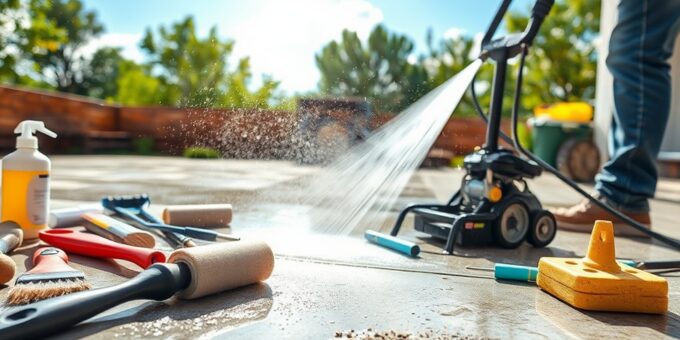
Start by removing dirt, grease, old paint, and debris. Use a power washer for outdoor surfaces like patios or slabs and a degreasing solution for indoor floors. For stubborn stains on basement walls or foundation surfaces, scrub with a stiff brush.
2. Test for Moisture

Moisture in the concrete can lead to bubbling or peeling paint. To check for moisture, tape a plastic sheet to the surface and leave it for 24 hours as a simple test. If condensation forms underneath, allow the concrete to dry completely before proceeding.
3. Repair Cracks and Imperfections
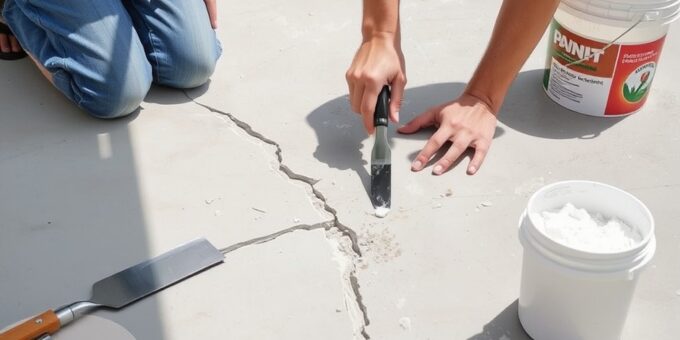
Inspect the surface for cracks or holes. Fill them with a concrete filler or patching compound and sand smooth once dry.
4. Etch or Abrade Smooth Surfaces
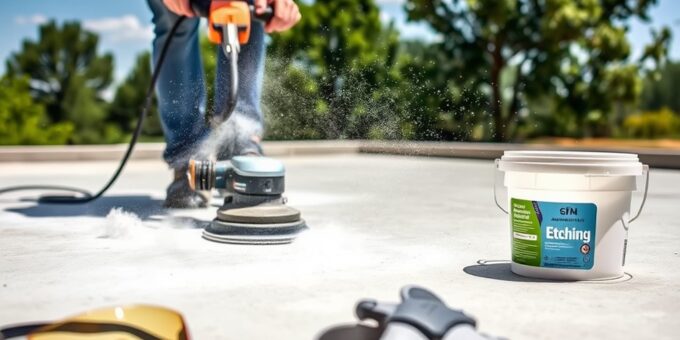
For smooth surfaces like tiles or slabs, etching with an acid-based solution or mechanically abrading the surface will improve paint adhesion.
5. Prime the Surface
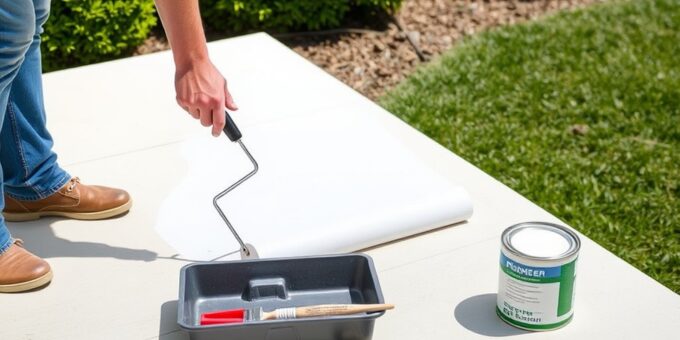
A high-quality primer designed for concrete is essential to seal pores and create a uniform base for painting.
How to Paint Concrete
You need different materials for painting and a proper guide on how to paint concrete:
Materials Needed
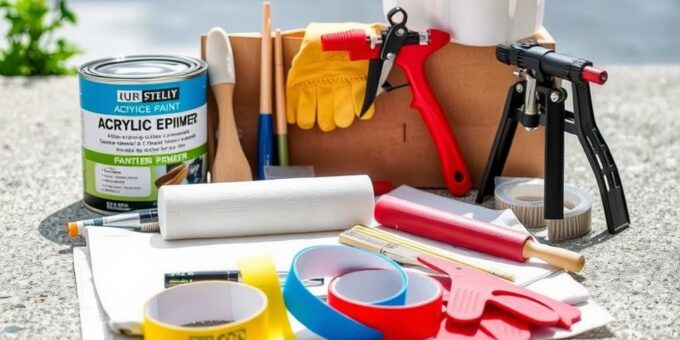
- Paint (acrylic or epoxy)
- Primer (if necessary)
- Paintbrushes, rollers, or sprayers
- Drop cloths
- Painter’s tape
- Safety gear (gloves, mask)
Steps for Painting Concrete
Once your surface is prepped and you’ve chosen the right paint, follow these steps:
Step 1: Apply Primer
Use a roller or brush to apply an even coat of primer across the surface. Let it dry completely before moving on.
Step 2: Start Painting

Begin by painting edges with a brush for precision. Use a roller for larger areas like floors or patios. Apply thin coats of paint rather than thick ones to avoid bubbling.
Step 3: Add Multiple Coats
Let each layer dry completely before adding the next. Typically, achieving even coverage takes two to three layers.
Step 7: Seal with a Topcoat
For added protection against wear and moisture, finish with a clear sealer or topcoat.
Choosing the Right Paint
Consider different types of paint and factors like indoor and outdoor use, slip resistance, etc.
Types of Paint Suitable for Concrete
- Masonry Paint
Acrylic-based masonry paint is ideal for walls and patios due to its durability and weather resistance.
- Epoxy Paint
Perfect for high-traffic areas like garage floors or industrial spaces, it offers superior toughness.
- Anti-Slip Paints
Recommended for patios, steps, or pool decks to prevent accidents in wet conditions.
- Latex Paint
While latex paint can be used on some indoor walls, it’s not as durable as epoxy or masonry paints for high-wear areas.
Factors to Consider When Selecting Paint
- Indoor vs. Outdoor Use: Ensure the paint is suitable for the intended environment.
- Slip Resistance: For floors, choose a paint that offers slip resistance, especially in areas prone to moisture.
- Color and Finish Options: Consider your overall design scheme when selecting colors and finishes.
When selecting colors, bold shades like black can create dramatic effects on patios or steps, while lighter tones work well for basement walls or foundation surfaces.
Maintenance Tips for Painted Concrete
To keep your painted concrete looking fresh:
- Regularly clean the surface with mild detergents.
- Don’t use harsh chemicals.
- Reapply sealers periodically in high-traffic areas.
- Repair cracks and imperfections from time to time.
Challenges of Painting Concrete
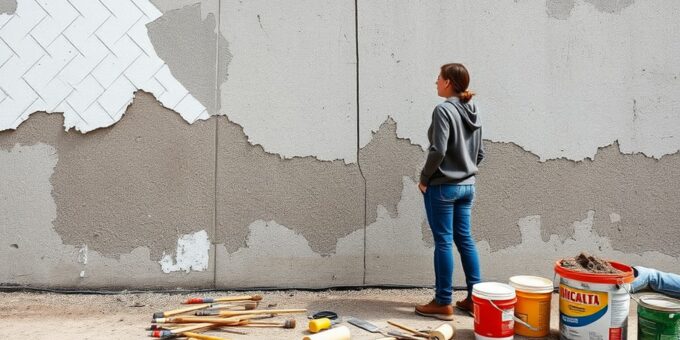
Before diving into the painting process, it’s important to understand the potential challenges:
- Porosity: Concrete is highly porous, which can lead to uneven absorption of paint.
- Moisture Issues: Excess moisture in the concrete can prevent proper adhesion.
- Peeling or Chipping: Without proper preparation, the paint may peel or chip over time.
- Surface Texture: Smooth surfaces like tiles or slabs may require additional preparation.
These challenges can be overcome with thorough preparation and the use of appropriate materials.
Alternatives to Painting Concrete
If painting isn’t suitable for your project, consider these alternatives:
- Staining
It delivers a translucent look that highlights the natural texture of concrete.
- Sealing
Protects against moisture without altering appearance.
- Decorative Coatings
Options like stamped patterns add texture and visual interest.
Conclusion
Painting concrete is an effective way to transform dull surfaces into vibrant focal points. Knowing how to paint concrete can save you professional costs. Whether you’re working on floors, patios, steps, or walls, success lies in thorough preparation and selecting the right materials.
By following this guide and using high-quality products like epoxy or masonry paints, you can achieve professional-looking results that last for years. So grab your brushes and rollers—it’s time to give your concrete surfaces a stunning makeover!
Apart from that if you want to know about “Avoiding Major Damage from Blocked Drains with Emergency Plumbing Services” then please visit our “Home Improvement” Category.
FAQs
Definitely! Proper preparation ensures even coverage on slabs used in driveways or patios.
New concrete should fully cure before painting, which usually takes several weeks, to ensure moisture does not interfere with paint performance.
Paints specifically designed for masonry or concrete, such as epoxy or acrylic-based paints, work best because they bond well with porous surfaces.
Painting concrete can be long-lasting when done correctly, but high-traffic or outdoor areas may require maintenance over time.
Painted concrete can peel or crack if the surface is not properly prepared or if moisture issues are present, but correct preparation greatly reduces this risk.