

Introduction
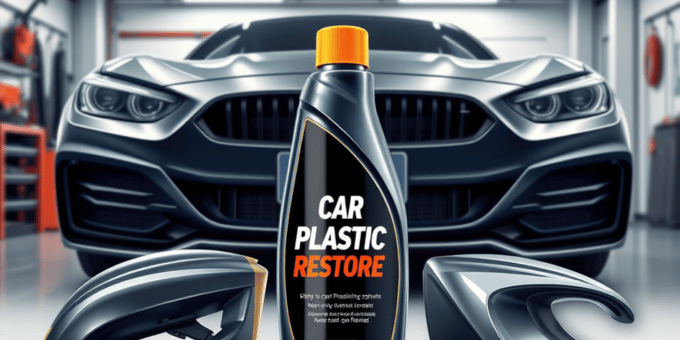
Plastic components on cars, such as trims, bumpers, and mirrors, play a significant role in both functionality and aesthetics. However, these surfaces are vulnerable to wear and tear from sun exposure, weather, and age. Over time, once-shiny plastics can become dull, faded, and brittle, making even a well-maintained car look worn out.
That’s where car plastic restoration comes in. This process helps revive the colour, texture, and integrity of these surfaces, restoring your vehicle’s original charm without needing expensive part replacements.
Whether you’re prepping your car for sale or want to boost its visual appeal, understanding the right way to restore car plastic can make a significant difference. Whether for interior elegance or exterior curb appeal, plastic restoration not only enhances the vehicle’s aesthetics but also extends the life of its plastic components.
| Aspect | Details |
| Car Plastic Restoration | Restoring faded car plastics (trims, bumpers, mirrors, panels) |
| Problem | Fading, dullness, brittleness from UV, weather, and age |
| Visual Impact | Makes cars look old even if well-maintained |
| Purpose | Available as sprays, gels, wipes, and ceramic coatings |
| Benefits | Enhances looks, boosts resale value, extends part life, saves cost |
| Applications | Used on bumpers, trims, mirrors, dashboards, etc. |
| User Goal | Great for car lovers, sellers, or owners wanting a cleaner look |
| Cost-Effective | DIY solution to avoid buying new plastic parts |
| Product Types | Enhances looks, boosts resale value, extends part life, and saves cost |
Car Plastic Restoration
Car plastic restoration is a process that revives the appearance and integrity of faded or oxidised plastic trim, often damaged by prolonged exposure to sunlight, UV rays, moisture, and pollution. Over time, plastic components such as bumpers, mirror housings, door trims, and interior panels can lose their original colour, becoming dull or grey.
Plastic restorers are specially formulated products, available in sprays, gels, wipes, or creams, that rejuvenate these surfaces by deeply penetrating the plastic and restoring its original pigment and sheen.
Some advanced restorers also include nano-ceramic or polymer-based ingredients that bond with the surface, offering long-lasting protection against future wear, UV damage, and environmental contaminants. Proper application, starting with thorough cleaning and drying of the surface, is essential for achieving the best results.
Why Does Car Plastic Fade?
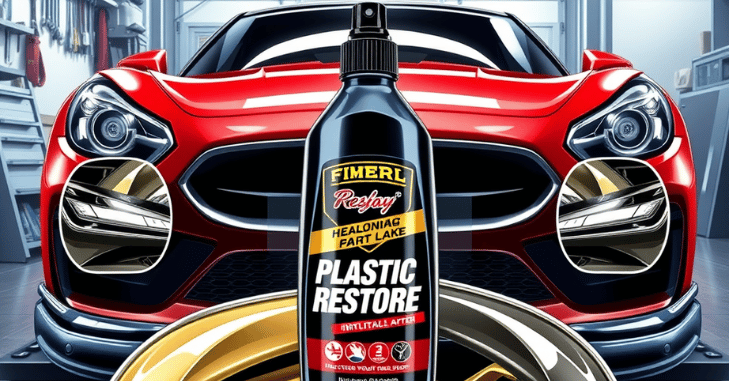
Plastic on cars, particularly exterior trim, fades due to several factors:
- UV Rays: Direct sunlight breaks down the polymers in plastic, causing discolouration.
- Oxidation: Oxygen reacts with plastic surfaces, creating a chalky, dull appearance.
- Harsh chemicals, such as detergents, road salts, and acidic rain, can strip oils from plastic.
- Ageing: As plastic ages, it loses its elasticity and colour stability.
Types of Car Plastic Restoration
There are various types of plastic restorers, and choosing the right one depends on the type of plastic and the severity of the damage.
1. Gel-Based Restorers
Gel restorers are thick and easy to apply, making them highly effective for reviving heavily faded plastic surfaces. They penetrate deeply into the material, providing long-lasting results and a rich, water-resistant shine. However, they do require careful and even application to avoid smearing, which may take a bit more time and attention compared to other types of restorers.
2. Spray-On Restorers
Quick and convenient, spray restorers are ideal for addressing light fading and performing quick touch-ups on plastic surfaces. Their ease of use and ability to cover large areas quickly make them a popular choice for general maintenance. However, spray restorers may not offer long-lasting results and lack the precision of gel-based products, which can be important for detailed or targeted applications.
3. Wipe-On Restorers
These restorers often come in the form of convenient wipes or applicator pads pre-soaked in a restoring solution, making them a mess-free and travel-friendly option. They are especially useful for quick touch-ups and are great for restoring interior plastics such as dashboards and door panels.
4. Permanent Coatings (Ceramic/Polymer-Based)
Some plastic restorers are formulated with advanced nano-ceramic or polymer-based ingredients that chemically bond with the plastic surface, creating a long-lasting and protective layer.
These types of restorers are extremely durable and offer excellent resistance against UV rays and harsh weather conditions, making them ideal for exterior trim exposed to the elements. However, they tend to be more expensive than standard options and require thorough surface preparation to ensure proper adhesion and effectiveness.
Benefits of Car Plastic Restoration
Car plastic restoration offers both visual and practical benefits that go beyond simply improving appearance. It instantly enhances the overall look of the vehicle by restoring deep colour and a factory-fresh finish to faded trims and bumpers. In addition to aesthetics, it also helps protect plastic surfaces from further UV damage, cracking, and premature ageing. This makes it a cost-effective alternative to replacing parts, while also boosting resale value and maintaining the vehicle’s long-term condition.
How to Restore Car Plastic Trim? Step-by-Step
- Plastic restorer (gel, spray, or wipe)
- Microfiber cloths
- Applicator pads or sponges
- Degreaser or trim cleaner
- Masking tape (for precision work)
| Step | Action |
| 1. Clean the Surface | Use a plastic cleaner or degreaser to remove dirt, oils, and wax buildup. |
| 2. Dry Thoroughly | Allow the surface to dry completely before applying any product. |
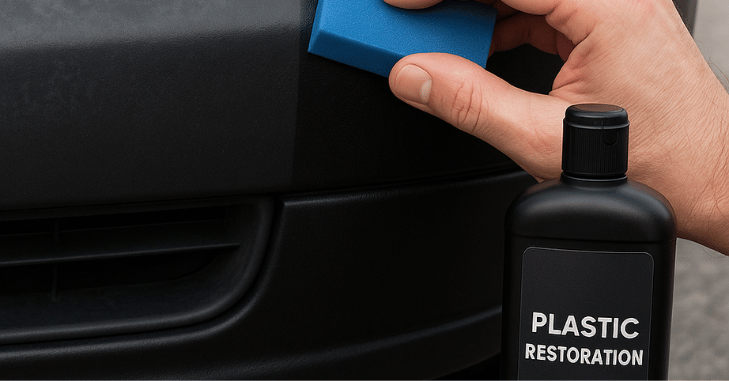
| 3. Apply the Restorer | Use a microfiber applicator pad and apply the restorer in circular motions. |
| 4. Let It Set | Allow the restorer to absorb for a few minutes (time varies by product). |
| 5. Buff Off Excess | Use a clean microfiber cloth to remove residue and even out the finish. |
| 6. Repeat If Needed | Apply additional coats for severely faded areas as necessary. |
Tips for Best Results
- Apply in a shaded area to prevent the product from drying too fast.
- Always wear gloves to avoid skin contact.
- Use masking tape to protect nearby painted surfaces.
- Don’t use regular tire shine or household oils—they offer short-term results and may damage plastic over time.
Interior vs. Exterior Plastic Restoration
Interior vs. exterior plastic restoration differs mainly in product formulation and durability needs. Interior restorers are typically lighter and focus on enhancing appearance without using greasy finishes, as they are often applied to dashboards, door panels, and trim that are exposed to minimal wear.
In contrast, exterior restorers are designed to withstand harsh weather, UV rays, and road grime, offering more robust protection and longer-lasting results on bumpers, mirror housings, and exterior trim. Choosing the right type ensures optimal results and preserves the look and integrity of your vehicle’s plastic surfaces.
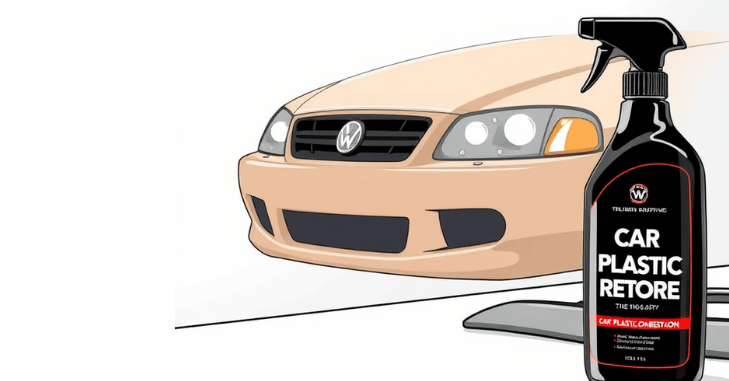
How Long Does Plastic Restore Last?
The longevity depends on the product and the environmental conditions. Here’s a general idea:
- Basic sprays: 1–2 weeks
- Gel-based restorers: 1–3 months
- Ceramic-based coatings: Up to 6–12 months
Regular maintenance, such as washing and reapplying every few months, can help extend the results.
Best Car Plastic Restore Products (2025)
Here are some top-rated options you might consider:
- Meguiar’s Ultimate Black Plastic Restorer
- Cerakote Ceramic Trim Coat
- 303 Aerospace Protectant
- Mother’s Back-to-Black Trim & Plastic Restorer
- Chemical Guys VRP Dressing
Read More: – BMW X5 Diesel
Conclusion
Car plastic restoration is more than just a cosmetic upgrade; it’s a protective measure that preserves your vehicle’s longevity and enhances its resale value. Whether you’re fixing mild fading or reversing years of damage, choosing the right type of restorer and following a careful application process can yield professional-level results at home.
With so many product types available, from quick wipes to high-end ceramic coatings, there’s a solution for every car and every budget. Keep your car looking showroom-fresh by incorporating plastic restoration into your regular detailing routine.
Apart from that if you want to know about “2013 Ford Fusion Hybrid” then please visit our “Automobile” Category.
FAQs
Car plastic restoration is the process of reviving faded or oxidised plastic trims, bumpers, and panels caused by UV exposure, ageing, and weather. It restores original colour and texture, improving aesthetics and extending part life.
Plastic restorers come in gel, spray, wipe, and ceramic/polymer coating forms. Gels and ceramic coatings offer long-lasting results, while sprays and wipes are great for quick touch-ups.
Not always. Interior restorers are gentler and less oily, while exterior restorers are more durable and designed to withstand UV rays and weather. Choose products based on the location of the plastic trim.
Clean and dry the surface first. Then apply the product using a microfiber applicator in circular motions, let it sit, and buff off the excess. Use gloves and masking tape for precision and safety.