


Introduction
The durability of a building largely depends on the strength of its foundation. When signs like cracks, settling, or shifts occur, repairing the concrete foundation is crucial—it’s not optional. The repair process includes evaluating the damage, pinpointing causes such as soil erosion or water intrusion, and applying specific solutions like slab jacking, pier installation, or epoxy injection. Ignoring these problems can lead to serious safety risks and high repair costs later on.
Concrete foundation repair involves more than just patching holes or leveling slabs. It requires integrating structural engineering, material science, and future-proofing strategies. Homeowners, business owners, and property developers should understand that timely repairs are crucial to prevent risks like collapse, loss of resale value, or legal violations. This article offers a thorough overview of the repair process, key considerations, and effective solutions to maintain long-term foundation stability.
| Category | Details |
|---|---|
| PurposeCrack | Concrete Foundation RepairHairline or wide |
| Shift | Lateral movement |
| Soil | Loose or compact |
| Moisture | Water seepage |
| Reinforcement | Steel rebar patch |
| Inspection | Camera scope |
| Sealant | Epoxy injection |
| Leveling | Slab jacking used |
| Drainage | French system fix |
| Slab | Concrete slab tilt |
| Footing | Eroded or cracked |
| Piering | Helical system installed |
| Expansion | Joint repair needed |
| Cost | Budget dependent |
| Contractor | Certified only |
| Warranty | Long-term included |
Concrete Foundation Repair: Core Overview
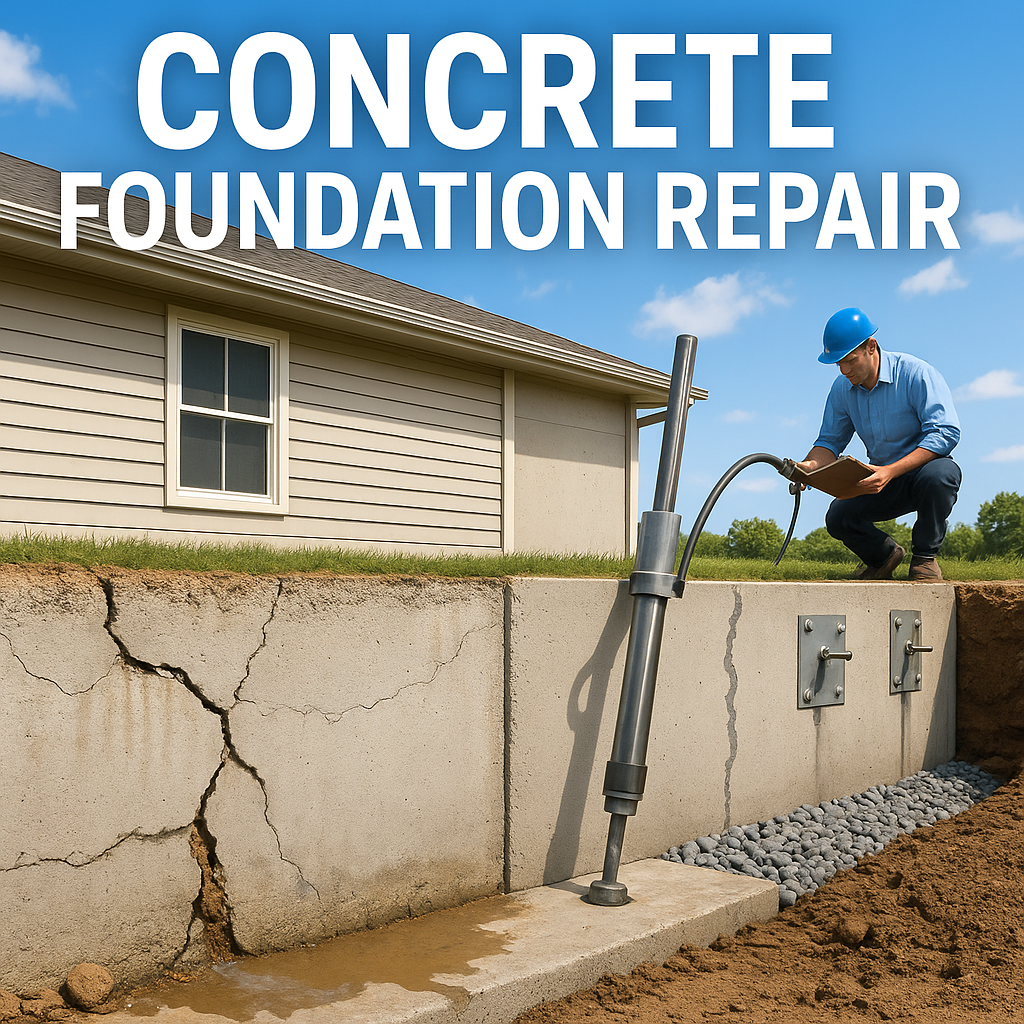
Concrete foundation repair involves diagnosing and fixing issues that weaken a building’s base. These problems can include shifting slabs, wall cracks, or bowing basements, often caused by soil movement, moisture problems, or poor initial construction. Early identification is crucial: cracks wider than 1/4 inch, sticking doors, or uneven floors typically signal more serious underlying problems.
Cracks at footing level often continue upward, so once the foundation is addressed it is worth reviewing proven techniques for basement wall repair and stabilization as part of the same programme of work.
Solutions depend on the foundation type (slab-on-grade or pier-and-beam) and the severity of the damage. For minor problems, foam injection or patch sealing could be enough. However, more serious structural issues might need underpinning with steel piers or wall anchors. The main aim is to stabilize the foundation, reduce risk, and prevent future damage caused by moisture or pressure shifts beneath the soil.
Signs That Foundation Repair Is Needed
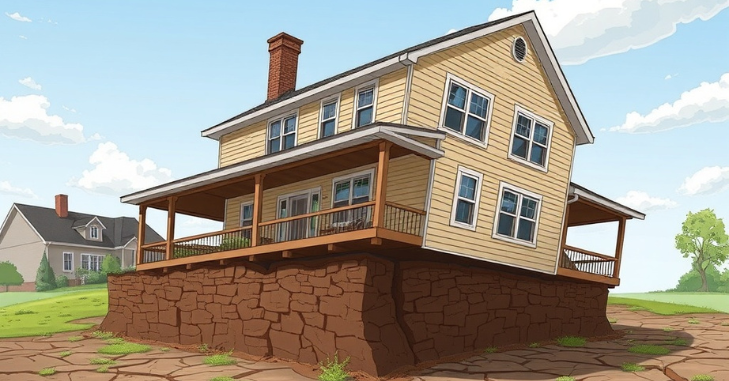
- Cracks appearing in interior walls or ceilings
- Doors or windows misaligning or sticking
- Visible separation between walls and floors
- Bowed basement walls
- Floors are becoming uneven or sloped
Early intervention can often prevent the need for more costly structural repairs in the future.
Soil Conditions and Foundation Instability
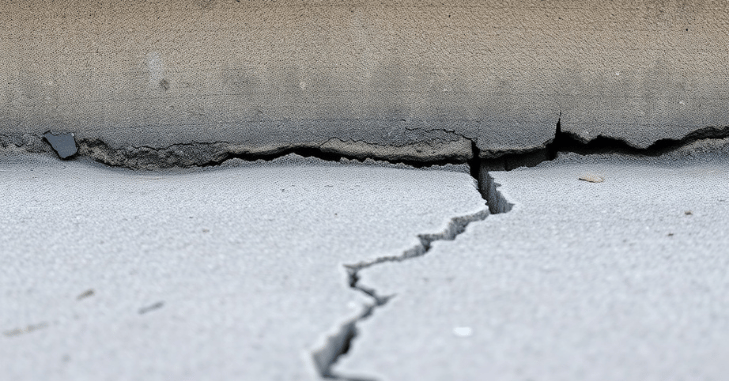
Expansive clay, poor compaction, or excessive moisture all influence foundation performance. Soil that swells and contracts with weather creates shifting pressure against concrete, leading to cracks and slippage. Testing soil content during inspection helps engineers recommend suitable reinforcements.
Popular Repair Techniques Used
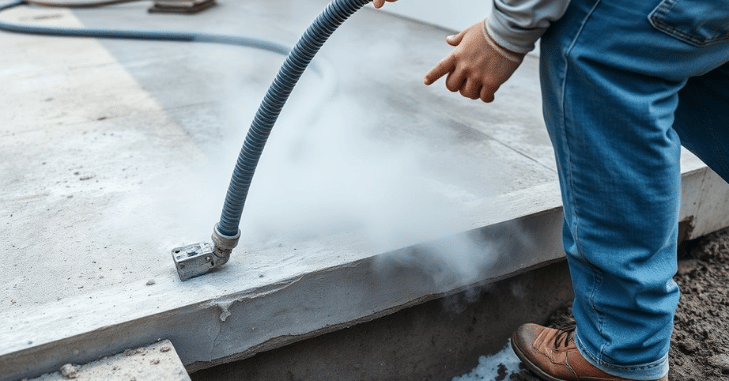
- Slabjacking: Lifts sunken concrete with foam or slurry.
- Piering: Uses steel piers to stabilize below the frost line.
- Epoxy Injection: Fills narrow cracks with bonding agent.
- Wall Anchors: Pull bowing walls back into position.
- Carbon Fiber Straps: Reinforce weak walls in basements.
Risks of Ignoring Concrete Foundation Repair
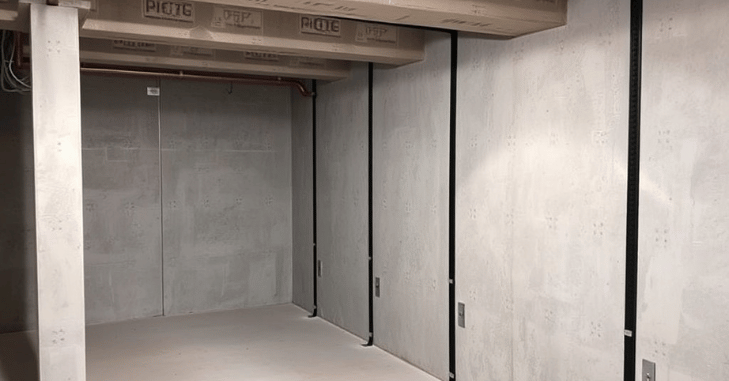
- Lowered property value
- Water ingress is causing mold growth
- Rising insurance premiums
- Risk of building collapse
- Violation of safety standards
Ignoring visible issues can endanger both the property and its occupants.
Cost Factors to Consider
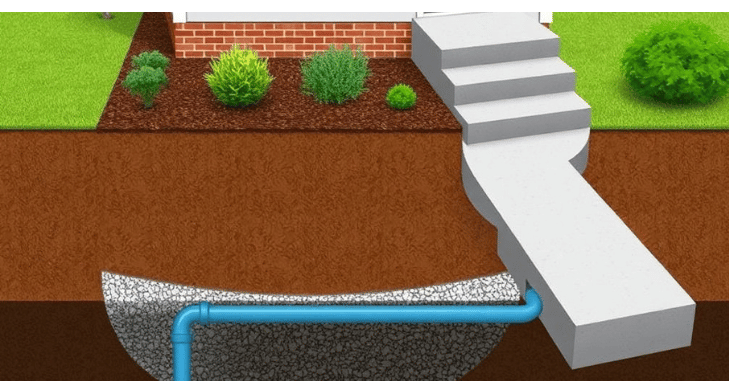
Repair costs can differ significantly based on
- Crack width and depth
- Problems related to soil and moisture.
- Type of foundation (slab or crawlspace)
- Accessibility challenge (finished basements versus open areas)
- Materials employed (polyurethane versus concrete pilings)
Repair costs typically range from $2,000 to $15,000, depending on the extent of the work.
Choosing the Right Contractor
Hiring a licensed foundation specialist is crucial. Look for
- Certifications issued by ACI or ICC
- Warranty coverage, preferably transferable.
- Thorough inspections beyond just visual checks
- Clear pricing information and references
Always steer clear of door-to-door repair offers that lack proper licensing.
Drainage and Water Control Systems
Poor drainage is a leading cause of foundation failure. Preventative steps involve:
- Installing French drains
- Grading the soil to divert water away
- Properly sealing gutters and downspouts
- Applying waterproof coatings to exterior walls.
These systems ensure the long-term preservation of foundation integrity.
The Importance of Regular Foundation Monitoring
Even after a successful concrete foundation repair, ongoing monitoring is essential to ensure long-term stability. Seasonal weather changes, soil movement, and fluctuations in groundwater levels can continue to affect a property’s foundation over time. Homeowners should perform routine inspections for new cracks, moisture buildup, or signs of settling and address minor issues before they become major structural concerns.
Professional foundation assessments every few years can also help identify developing problems early, reducing repair costs and extending the lifespan of the structure. A proactive maintenance approach helps protect both the safety and value of the property for years to come.
Lifetime Warranties: Are They Worth It?
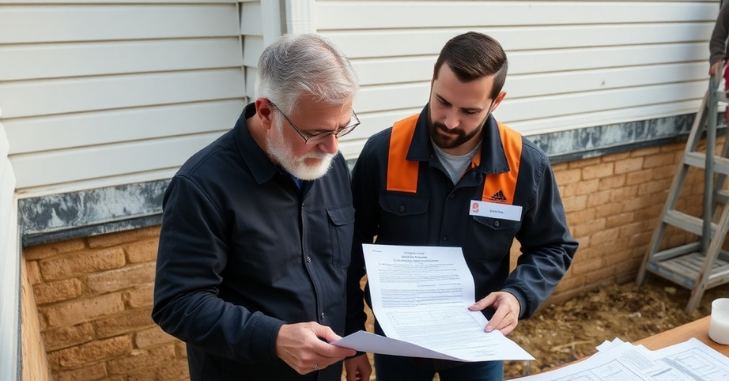
Many leading contractors provide lifetime or transferable warranties, which boost buyers’ confidence in real estate deals and guarantee ongoing support if repairs are needed. Nevertheless, it’s crucial to read the fine print—certain warranties cover only labor, excluding materials or new problems.
Foundation Repair and Home Insurance Coverage

Sometimes, your homeowner’s insurance might partially cover foundation repairs, but this depends on the damage caused. If the damage is due to a sudden event like a plumbing leak or natural disaster, your insurance may pay for repairs. However, many policies exclude damage from ongoing neglect, soil erosion, or subpar construction.
To clarify coverage, homeowners should thoroughly review their insurance policy and consult with their provider. Keeping documentation such as inspection reports, before-and-after repair records, and proof of water control measures can support your claim if you choose to file one.
Sustainable Repair Materials
Contemporary repair methods are increasingly adopting eco-friendly solutions.
- Recycled concrete aggregates
- Non-toxic polyurethane foam
- Energy-efficient pier installations
- Low-carbon cement blends
These solutions assist in minimizing environmental impact without compromising durability.
Conclusion
A compromised foundation weakens the entire structure, making timely concrete repair essential instead of optional. Whether dealing with a cracked slab or a buckling basement wall, professional repairs ensure safety, preserve property value, and offer peace of mind. Neglecting initial warning signs can result in higher costs and greater risks later.
Regular inspection and repairs not only maintain the building’s structural integrity but also extend its lifespan. Thanks to advances in technology and eco-friendly materials, concrete foundation repairs are now quicker and more durable, ensuring your property is protected from the ground upwards.
Apart from that, if you want to know more about How to Use Function and Style in Your Bedroom Without Going Broke then visit our Home Improvement category.
FAQs
Important warning indicators include sticking doors, uneven flooring, and cracks.
Water leaks, shifting soil, and inadequate drainage are the main culprits.
Typical costs vary from $2,000 to $15.00, depending on the severity
Structural problems require a professional, although hairline cracks can be sealed on your own.