


Key Takeaways
- Establishing a robust emergency fund is crucial for financial stability.
- Adjust and review your financial plan regularly to stay current with life’s changes.
- Automated savings and bill payments support discipline and better preparedness.
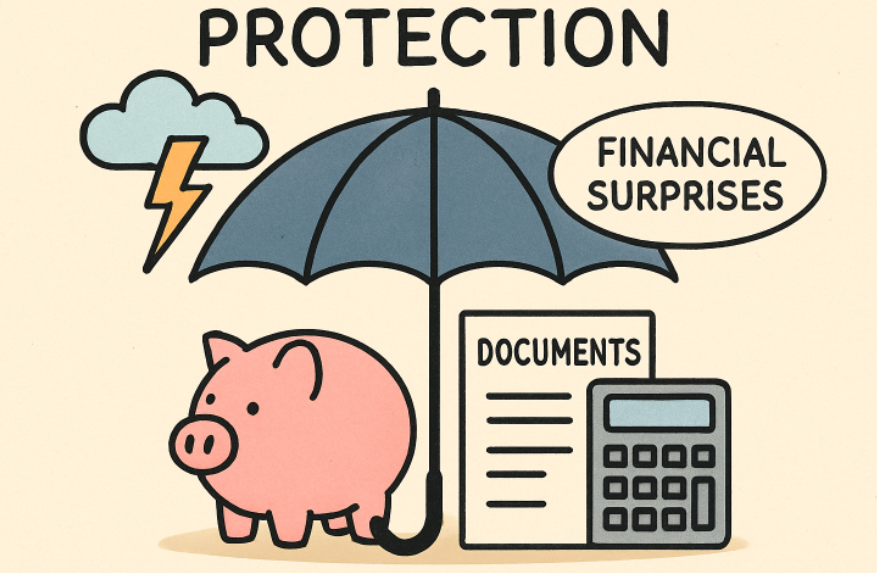
Life can throw unexpected curveballs, from medical emergencies to sudden job loss. How you prepare financially for these events often determines your ability to weather them with stability and resilience. Proactive steps—like building up an emergency fund, automating your finances, and boosting your financial know-how—can protect you against life’s uncertainties. Resources such as MaxLend loans can also provide a rapid solution when immediate funding is required, supporting your broader emergency preparedness strategy.
By layering multiple strategies, you can ensure you’re ready for whatever comes your way—and avoid the stress of having to react in a crisis. The following tips will help you establish a solid financial foundation that keeps you secure, regardless of what the future holds. Prioritizing adaptability and consistent reviews of your financial plan can be a game-changer in uncertain times, further strengthening your resilience.
Build a Robust Emergency Fund
An emergency fund is a cornerstone of financial preparedness. This dedicated savings account offers peace of mind and financial flexibility when unplanned expenses arise—whether it’s an urgent car repair, healthcare bill, or sudden job loss. Generally, aim to save between three to six months’ worth of living expenses. If that sounds daunting, start small and automate transfers from your paycheck to a high-yield savings account. According to Forbes, choosing the right high-interest account can maximize your fund’s growth while keeping it accessible in case of an emergency.
Regularly Review and Adjust Your Financial Plan
Your goals and lifestyle will inevitably shift over time—and your financial plan should evolve accordingly. Scheduling periodic reviews (at least annually, or following a major life event) can uncover gaps, outdated assumptions, or new opportunities. Adjusting for factors such as a career change, relocation, or the addition of new dependents ensures your plan remains relevant and supportive of your current needs. Financial experts at The New York Times recommend “stress-testing” your plans to see how they hold up under different scenarios, so you can adapt long before emergencies strike.
Automate Savings and Bill Payments
Adopting a “set it and forget it” strategy can bring greater consistency to your financial routine. Automating transfers to your savings and arranging scheduled bill payments helps prevent late fees, missed deadlines, and the urge to redirect funds earmarked for long-term goals. Many banks and service platforms now make it simple to manage these tools—often allowing you to apply online and set up automation in just a few steps. This streamlined approach not only saves time but also nurtures disciplined saving habits and a more stable financial outlook.
Diversify Income Streams
Depending solely on one paycheck can leave you exposed if circumstances change. Consider broadening your income by taking on freelance projects, part-time work, or building passive revenue streams, such as rental properties or dividend income from investments. The flexibility and security offered by diverse income sources mean that if one stream dries up, you still have others to rely on—helping you bridge the gap during turbulent times.
Invest in Insurance Coverage
Insurance is a critical component of any financial safety plan—protecting you against catastrophic expenses. Health, home, life, and disability insurance can save you from financial devastation if the unexpected happens. Regularly review your policies to ensure they remain matched to your needs as your situation evolves.
Educate Yourself on Financial Literacy
Solid financial decisions begin with a strong foundation in knowledge. Taking the time to learn about budgeting, credit scores, investment options, and risk management is invaluable, as it empowers you to weigh choices and navigate setbacks with confidence. Online courses, financial podcasts, and workshops from reputable organizations can all contribute to your financial education. For example, resources provided by the Federal Trade Commission can guide you in making smarter financial choices and sharpening your financial acumen.
Establish a Crisis Budget
When facing financial hardships, a well-defined crisis budget helps you prioritize essential expense categories—such as housing, food, and transportation—while temporarily reducing or pausing discretionary spending. Preparing this budget in advance allows for quick implementation in times of stress, helps stretch your emergency fund, and enables you to remain proactive.
Stay Informed About Economic Trends
Economic conditions can change quickly, impacting savings rates, investments, and employment opportunities. Stay up to date by subscribing to respected financial news outlets and following economic indicators. Regular updates ensure you can anticipate broad market changes or policy updates and adjust your financial plans at the right time. Maintaining a relationship with a trusted financial advisor can also provide personalized strategies tailored to current market conditions.
Through smart preparation and by building a proactive, flexible financial strategy, you can greet life’s surprises with confidence and resilience—knowing you’ve put the right safeguards and habits in place to thrive, no matter what changes tomorrow may bring.
if you are interested to know about Outsourcing Financial Management: A Game-Changer for Restaurants then visit our Finance category.