

Key Takeaways
- Office layouts significantly influence both productivity and job satisfaction.
- Open-plan offices support collaboration but may introduce distractions.
- Giving employees control over workspace design can improve their performance.
- Enhancing offices with natural light and quality ventilation results in a healthier work environment.
Office design extends beyond mere visual appeal, shaping how employees work, collaborate, and feel on a daily basis. A well-planned arrangement of workspaces can increase productivity, encourage teamwork, or, conversely, foster distractions and diminish job satisfaction. Understanding the relationship between office design and employee well-being can help organizations make better decisions to support their teams. For a deeper dive into successful workspace transformations, visit https://www.workscapedesigns.com/commercial-design-build-out to see how commercial design build-outs balance function and style.
Modern offices come in many configurations, and not all layouts are equally beneficial. A thoughtful space can empower employees to focus and collaborate, while a poorly designed one can hinder performance. Details such as natural lighting, flexible seating, and access to quiet zones have a tremendous impact on motivation and health.
The Impact of Open-Plan Offices
Open-plan offices are celebrated for fostering communication and collaboration among team members. By reducing barriers, these designs make it easier for employees to interact and exchange ideas quickly. However, the benefits may come with drawbacks. Distractions from conversations and increased noise can make it difficult for workers to concentrate, negatively affecting productivity. Employees in open offices may experience a 15 percent drop in productivity and face a greater risk of health issues, such as stress and illness, compared to those working in private offices.
Balancing Collaboration and Privacy
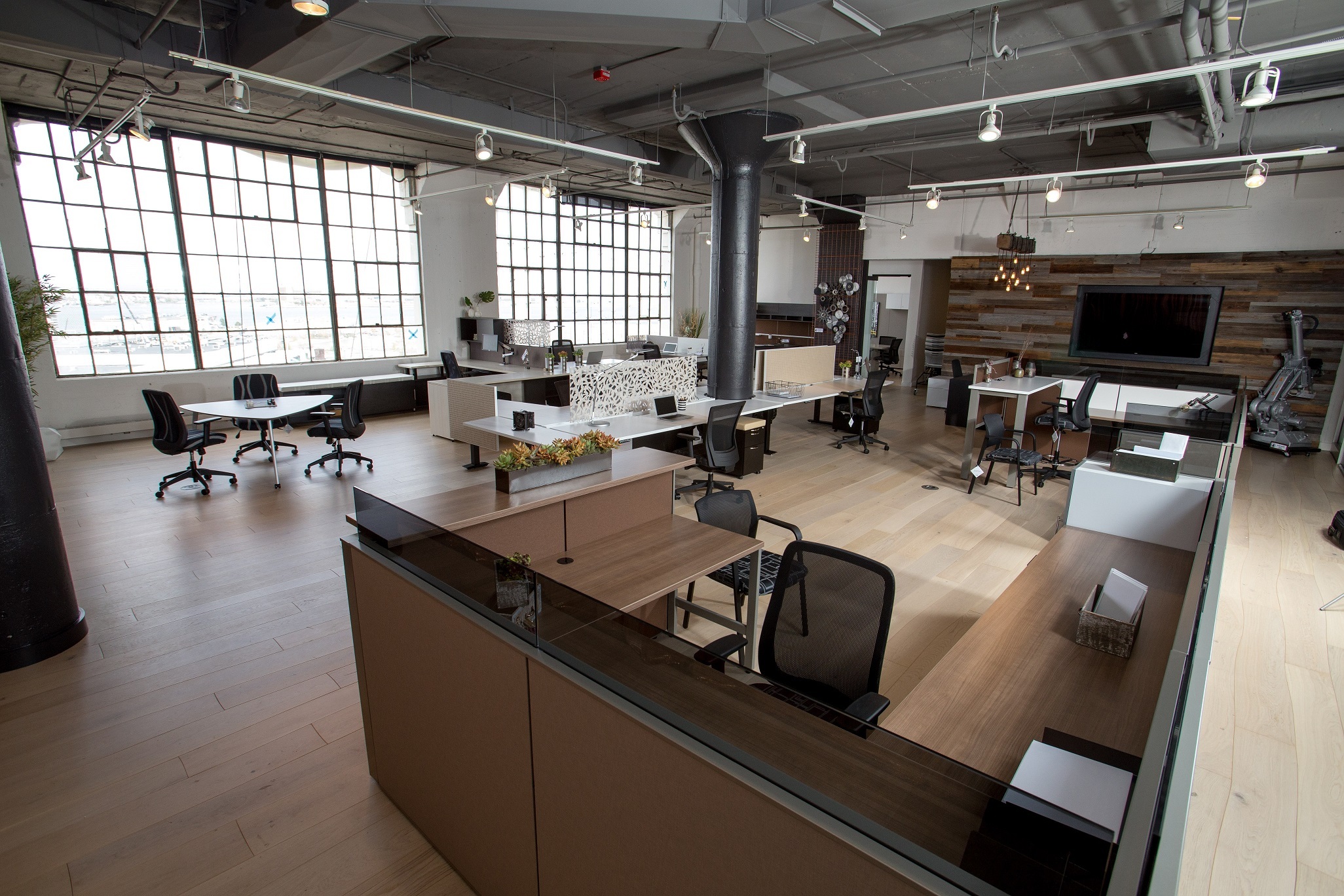
Recognizing the limitations of fully open office environments, progressive companies are moving toward hybrid layouts. These designs incorporate features of both open spaces and private work zones. Hybrid offices might offer quiet rooms, phone booths, or designated focus areas alongside collaborative spaces. Such arrangements enable employees to choose the environment best suited to the task at hand, promoting productivity and higher job satisfaction. Recent studies, such as those highlighted by HR Dive, have found that employees in hybrid offices generally report greater satisfaction than those in strictly open or closed plans.
The Role of Personalization
Another crucial factor in office design is the ability for employees to personalize their workspace. This might include choosing the position of their desk, decorating with personal items, or adapting their equipment to meet ergonomic needs. When employees have more control over how their space is set up, productivity can increase by as much as 32 percent. Personalization not only encourages a sense of ownership but also helps employees feel more comfortable and motivated during the workday.
Environmental Factors Matter
The quality of the workplace environment plays a significant role in employee well-being and efficiency. Aspects like natural lighting, air quality, and acoustics should not be overlooked. For example, offices with poor ventilation or insufficient daylight may cause fatigue or eye strain, leading to reduced work output. By improving ventilation systems and maximizing daylight access, organizations can create healthier, more sustainable workplaces. Factors such as indoor plants and open windows can also positively impact mood and focus.
Flexibility in Workspace Design
Flexibility has become a hallmark of modern office design. Today’s best workplaces provide options that cater to a broad range of work styles and preferences. This might include height-adjustable desks, quiet nooks for concentration, or communal tables for teamwork. Flexible designs ensure that employees are not forced into one mode of working and can adapt their environment as needed. As businesses grow and teams evolve, adaptable layouts have proven critical for maintaining high levels of engagement and productivity.
Employee Engagement and Office Design
Meaningful engagement in the workplace does not happen in a vacuum; thoughtful design directly contributes to how involved and connected employees feel. Modern research demonstrates that environments accounting for comfort, aesthetics, and even biophilic elements can make a notable difference in overall morale. For example, the use of greenery, artwork, and calming colors can spark creativity and elevate mood, reducing stress while building a stronger connection to the organization. When office furniture, collaborative areas, and technology are integrated seamlessly into a harmonious layout, day-to-day frustrations decrease. This enhanced comfort and satisfaction can translate into tangible improvements in employee retention and reduced absenteeism.
The Economics of Improved Office Environments
Investing in high-quality workspace improvements can yield significant returns for businesses. Companies that prioritize ergonomic furniture, efficient lighting, and advanced acoustic solutions often observe measurable reductions in health-related costs, including fewer repetitive strain injuries and less reported eye fatigue. Additionally, streamlined office design can enhance information flow, reduce unnecessary meetings, and promote spontaneous collaboration, thereby boosting innovation. Moreover, a visually appealing and comfortable workspace is an attractive draw for talent acquisition, strengthening employer branding and supporting efforts to recruit high-caliber professionals.
Technology Integration in Office Spaces
Technology now plays an increasingly central role in shaping office environments. From smart lighting and climate controls to interactive whiteboards and wireless charging stations, the integration of advanced technology is enhancing comfort, connectivity, and efficiency across workspaces. Companies that invest in digital infrastructure often find it easier to support hybrid work models, allowing seamless transitions between in-office and remote work. This adaptability not only meets the evolving demands of today’s workforce but also sets the stage for future-proof office environments that can continually adapt and improve.
Global Trends in Office Design
Looking worldwide, we see a rise in adaptive office design standards that embrace sustainability, well-being, and community. Concepts such as activity-based working, coworking spaces, and WELL certification are at the forefront of this movement. Forward-thinking firms in global cities are utilizing recycled materials, energy-efficient systems, and flexible floor plans to reduce environmental impact while maximizing human comfort. These global trends highlight how the intersection of thoughtful design and innovative technologies can create spaces that are healthy, inspiring, and ready to meet tomorrow’s challenges.
Conclusion
Thoughtful office design serves as a foundation for both productivity and employee satisfaction. By striking a careful balance between open and private spaces, allowing for personalization, and paying attention to essential environmental factors, businesses can create workplaces where people thrive. Such investment not only benefits individual employees but also supports the organization’s overall success and competitiveness.