


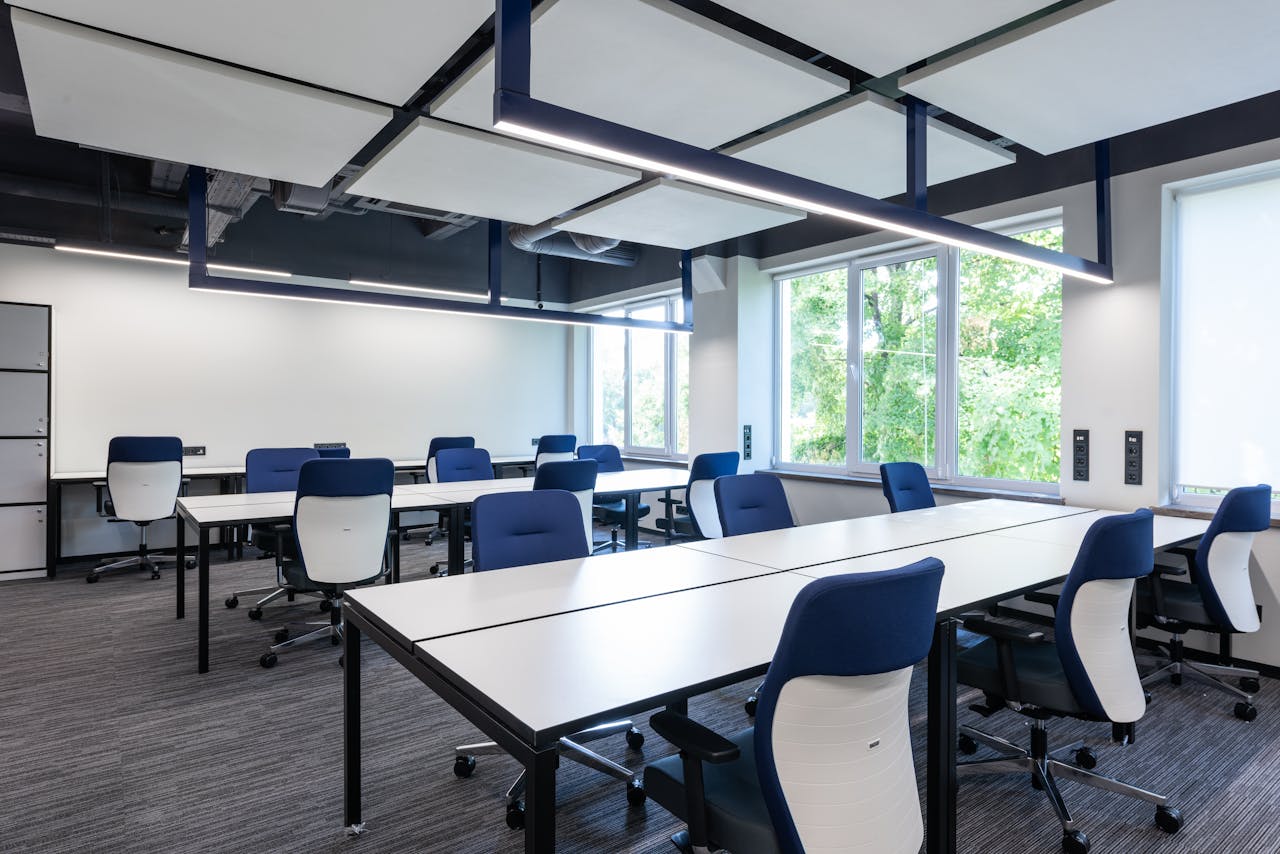
Collaboration and communication are vital for any organisation’s success. In today’s fast-paced work environment, shared office workstations are becoming a popular solution for fostering connectivity among staff. These setups promote interaction, encourage teamwork, and optimise the use of office space. By combining thoughtful design with functional office furniture, businesses can create dynamic workspaces that improve productivity and morale.
1. The Role of Shared Workstations in Modern Offices
Shared office workstations are designed to accommodate multiple team members within the same workspace. Unlike traditional cubicles, these setups encourage open communication and allow employees to work more collaboratively. This approach is particularly effective for businesses that prioritise team projects and cross-departmental interactions.
Not only do shared workstations help in breaking down communication barriers, but they also create a sense of community within the workplace. When people work in close proximity, they are more likely to exchange ideas, provide feedback, and develop a stronger sense of camaraderie.
2. Choosing the Right Office Furniture for Shared Spaces
Office furniture plays a pivotal role in the success of shared workstations. The design and functionality of desks, chairs, and storage solutions significantly impact the comfort and efficiency of the workspace. Modular furniture, for example, offers flexibility and can be reconfigured as team needs evolve.
Ergonomic chairs and height-adjustable desks ensure that employees remain comfortable, reducing the risk of fatigue and improving focus. Additionally, integrating features like built-in cable management and shared storage units helps keep the space organised, further enhancing its functionality. Selecting high-quality office furniture is an investment in both employee well-being and overall productivity.
3. Benefits of Shared Workstations
Improved Collaboration
Shared workstations naturally promote a collaborative culture. Employees working side-by-side can share ideas in real-time, provide immediate feedback, and tackle challenges collectively. This seamless exchange of ideas leads to faster decision-making and a more innovative workplace environment.
Optimised Use of Space
Traditional office layouts often result in underutilised areas, but shared workstations allow businesses to maximise their available space. By accommodating multiple employees within a single setup, organisations can reduce the need for excess furniture and free up room for other amenities, such as break areas or meeting pods.
Cost-Effectiveness
Shared workstations are a cost-efficient solution for growing businesses. With fewer individual desks and chairs required, organisations can save on purchasing and maintenance expenses. Additionally, the reduced space requirements may lead to lower rental costs, especially in high-demand urban locations.
Encouragement of Flexibility
In an age where hybrid work models are becoming the norm, shared workstations offer the flexibility to accommodate employees on different schedules. Hot-desking, for instance, allows team members to choose any available workstation, making it easier to manage fluctuating office attendance without compromising productivity.
4. Addressing Challenges of Shared Workspaces
While shared workstations offer numerous advantages, they are not without challenges. Noise levels, privacy concerns, and potential distractions can impact productivity. However, these issues can be mitigated with thoughtful planning and design.
Providing Privacy Solutions
Incorporating acoustic panels or desk dividers can help reduce noise and create a sense of personal space within shared workstations. These solutions strike a balance between collaboration and privacy, ensuring employees have the environment they need to focus on individual tasks.
Maintaining Organisation
Shared spaces can quickly become cluttered if not managed properly. Providing ample storage solutions, such as communal filing cabinets or personal lockers, ensures that everyone has a designated place for their belongings. This keeps the workspace tidy and promotes a sense of order.
Setting Ground Rules
Establishing clear guidelines for shared workstation etiquette is essential. Simple rules, such as cleaning up after oneself, keeping noise to a minimum, and respecting others’ space, can prevent conflicts and create a harmonious working environment.
5. Enhancing Connectivity Through Thoughtful Design
To truly reap the benefits of shared office workstations, it’s important to design spaces that cater to the specific needs of your team. Consider the nature of your business, the tasks employees perform, and the dynamics of your workforce. For instance, creative teams may benefit from open layouts with collaborative zones, while departments handling sensitive tasks might require semi-private setups.
Incorporating elements like natural lighting, ergonomic office furniture, and comfortable breakout areas ensures that shared workspaces remain inviting and conducive to productivity. By blending functionality with aesthetic appeal, businesses can create environments where employees feel motivated and connected.
Why Shared Workstations Are the Future
The rise of shared office workstations reflects a shift towards more collaborative and flexible work environments. These setups not only foster better relationships among staff but also allow businesses to adapt to evolving workplace trends. With the right combination of design, office furniture, and management practices, shared workstations can become a cornerstone of a thriving, modern office.
By embracing this approach, organisations can cultivate a workplace culture that values communication, creativity, and connection, setting the stage for long-term success.
Apart from that if you want to know about “Workflow Automation for Field Service Professionals: How to Choose the Right Tools” then please visit our “Business” Category.