


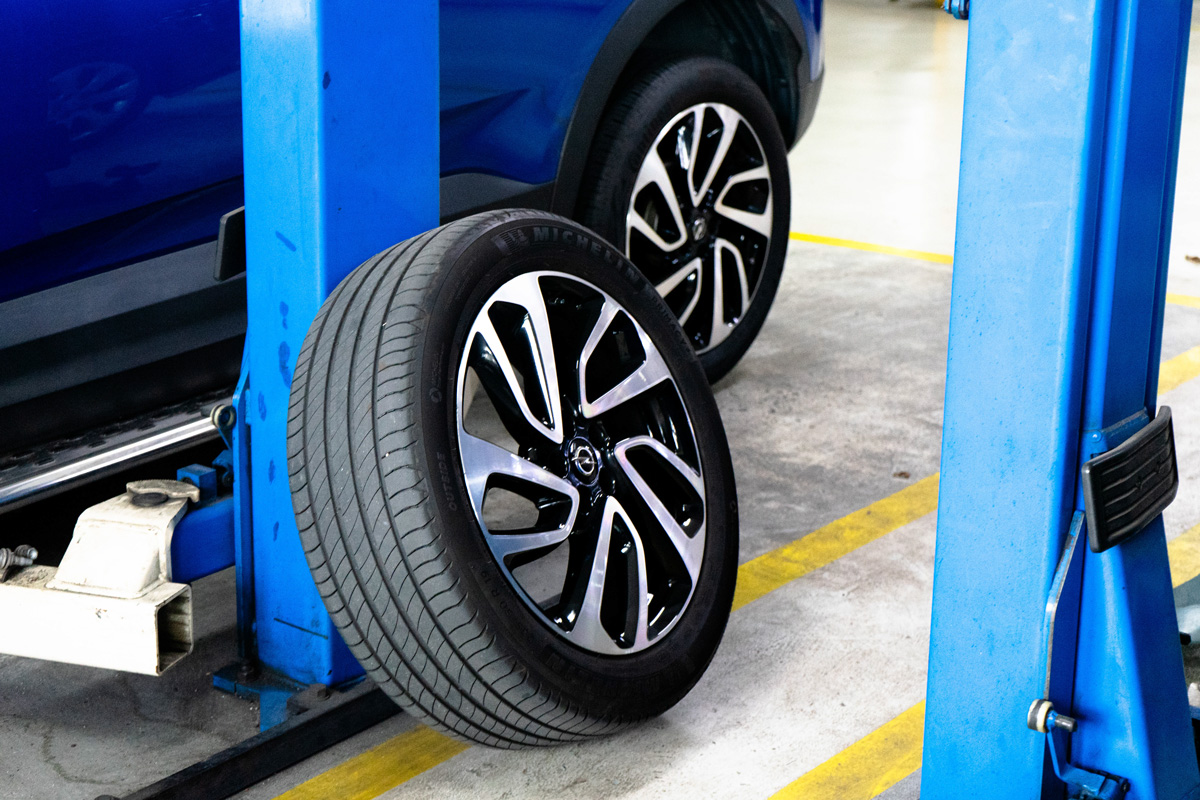
Are you looking for a good quality tyre without overspending? Who isn’t? The way tyre prices rise, you would think we are building homes out of them. Let’s face it, your brakes stop the wheel, the tyre stops the vehicle. Bad tyres equal bad performance, bad comfort, bad fuel economy, and are not safe.
What Winter Driving Taught Me About Tyres
I was raised in a place with a very cold winter season and heavy snow. There is no more stark comparison than proper or improper tyres in snow. I will admit, my off-road time has tested tyre compounds and designs nearly as intensely and with nearly as absolute results.
Price Is Not The Same As Cost
If it were just about price, we would buy the cheapest. However, price does not equal cost. By that I mean a cheap tyre will leave you flat, increasing the cost of that day at the beach, vacation, or trip to the store. When it is time to buy the best new tyres, look for the correct tyre, then search for pricing.
How To Match A Tyre To Your Vehicle
Beyond size, do you know the factors that determine the applicability of a given tyre to your vehicle?
- The size, expected load, and speed rating of your vehicle are large determining factors, many of which are based on Department of Transportation regulations. I will give you a government link later.
- The next considerations are related to your expected driving conditions. Will you be on the road or off? Is it a fine day to drive or rainy, snowy, rocky, and muddy?
- Following those criteria being met, we ask about performance. Are we focused on speed handling because we drive on the motorway? Do we need a more comfortable ride over unrepaired roads? Are you expecting better fuel economy?
Tread Design, Fuel Economy And Ride Comfort
All these points guide you to the compound and tread design you want installed. Did you know you could control fuel economy and ride comfort with a tyre change? You may also be surprised to find tyres are top of many car safety checklists for a reason. Poor tyres are identified as the cause or contributing factor to many accidents.
The 20-Cent Tyre Tread Test
Do you know how to use a 20-cent piece to check your tyre tread depth? This simple inspection can tell you how much life your tyres have and when to schedule replacement. If you want to get the most out of your tyres, have them rotated every 5-10k kilometres. Our steering tyres take much more wear from controlling the direction of our cars. Have them rotated front to back and side to side, so long as they are the same tyre and wheel front and back.
As promised, here is a link to a government site that illustrates tyre requirements and regulations for safety on roadways in Australia. It includes regulation development dating back to 1988, and Design Rule 24 of 1985 will help you better understand that any tyre will not do.
Plan Your Next Tyre Change With Confidence
Check your tyres today with a brief inspection and plan your next change now, so that you can be ready for the expense and continue to operate safely.
Apart from that, if you want to know more about Ultimate Guide to Buy Your First Car then visit our Automobile category.
When Should You Replace Your Tyres?
Tread depth is the obvious trigger, but it is not the only one. Australian law sets a minimum of 1.5 mm across the tread, and grip in the wet falls away sharply well before you reach it. Age matters too: rubber hardens over time, so a tyre older than about six years is worth having checked even if the tread looks healthy. Uneven wear across the shoulders usually points to alignment or pressure problems rather than the tyre itself, and fixing that first will save you money on the next set.
Does Tyre Pressure Really Affect Fuel Economy?
Yes, and by more than most drivers expect. Running consistently under the placard pressure increases rolling resistance, which quietly adds to your fuel bill and wears the shoulders of the tread faster. A monthly check with a decent gauge, done when the tyres are cold, is the cheapest maintenance you will ever do.