


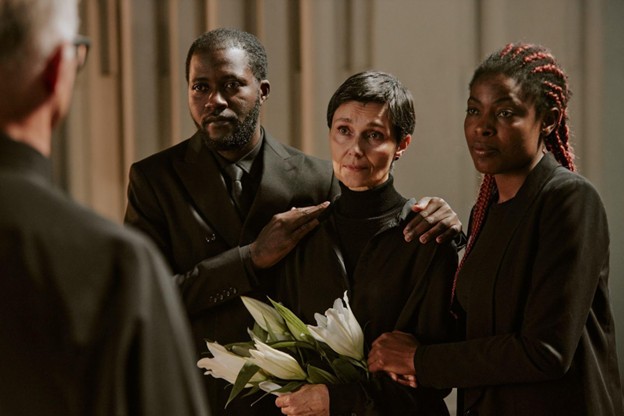
- Explains how local knowledge and flexibility shape the funeral planning process
- Highlights the importance of clear, pressure-free communication with providers
- Encourages asking about cultural or personal service customisations
- Emphasises that taking time to choose the right fit can ease future stress
When someone close to you dies, the world doesn’t stop—but it does slow down in strange, heavy ways. You might find yourself sorting through paperwork one minute and fielding calls the next, all while trying to process what just happened. It’s a lot. And in the middle of it, there’s a quiet but urgent decision to make: who will handle the funeral? Choosing a provider isn’t just about cost or logistics. It’s about who you’re letting into this incredibly personal moment. Getting that choice right can ease the pressure and help you feel a little more grounded in a time that feels anything but. There is more on this in How to Help Your Loved One Adapt to an Assisted Living Lifestyle.
Understanding What Matters Most
There’s no universal right way to hold a funeral. Some families know exactly what they want before they even speak to a provider. Others are starting with nothing but questions. Either way, the first step is thinking about what matters to your family. That could mean a ceremony rooted in faith, something small and informal, or a service that gives everyone space to say goodbye in their way.
The best funeral providers don’t steer you toward a fixed package. They ask the right questions, listen carefully, and offer suggestions that match what you’ve told them, not just what’s easiest for them to arrange. It’s less about features and more about the feeling you get when speaking to them. If it feels like they’re trying to sell you something, it’s probably not the right fit. But if they’re calm, clear, and seem to understand that this isn’t just another job, you’re likely in safer hands.
How Location and Approach Influence Your Decision
The funeral industry varies significantly depending on the location. In a major city like Sydney, you’ll find a broader mix of providers—from traditional family-run homes to more modern, low-cost operators. Each comes with different advantages, and your choice often depends on how much involvement you want and what style of service you’re imagining.
Some families prefer everything to be handled quietly with minimal fuss, especially when distance or personal circumstances make a formal gathering difficult. For others, being close to familiar places and people really matters. For families wanting accessible cremation services Sydney providers offer options tailored to both traditional and contemporary needs, often with flexible scheduling and precise local knowledge that helps smooth out the process.
Location isn’t just about convenience. Local providers usually have stronger networks with cemeteries, florists, celebrants, and venues. They know what’s possible and what isn’t—and that local experience can make a hard day run just a little more smoothly.
The Value of Transparency and Communication
One of the most significant sources of stress during funeral planning isn’t the service itself—it’s uncertainty. Not knowing what’s included, what it’s going to cost, or what happens next can leave you feeling overwhelmed at precisely the wrong time. That’s why clear communication is one of the most important factors to consider when selecting a provider.
A good funeral director should be upfront from the beginning. They should explain pricing without skipping over details, offer written estimates that match what you’ve discussed, and make time for your questions without rushing the conversation. You’ll want to know precisely what the service includes and what is optional, especially when comparing different providers. There’s a big difference between someone who answers your questions with clarity and someone who avoids giving straight answers.
Communication doesn’t stop after the first meeting. If you need to make changes, ask for help, or simply double-check something, you should be able to get in touch with the same person who is familiar with your situation. Continuity matters, especially when you’re dealing with something this personal.
Considering Cultural, Spiritual, or Personal Needs
No two families mourn the same way, and funeral services should reflect that. Whether you’re honouring a particular faith tradition, observing cultural customs, or planning something more intimate and informal, your provider needs to be open to those differences.
Some funeral homes specialise in certain cultural or religious practices and will know exactly what’s required. Others might take a more general approach but still be experienced enough to support specific requests. If you’re not sure, ask directly. It’s reasonable to expect them to explain what they’ve done in similar situations or how they’ll accommodate your needs.
Even for families without strong cultural or religious preferences, personal touches matter. That might mean playing a particular piece of music, choosing a meaningful location, or allowing friends and family to speak freely. A provider who’s willing to shape the service around your wishes—rather than sticking to a rigid format—is far more likely to create something that feels right.
Finding the Right Fit Without Rushing
It’s natural to feel like decisions have to be made quickly after someone passes away. But when it comes to choosing a funeral provider, you do have time to make a thoughtful choice. Most services don’t happen immediately, and there’s no harm in speaking with more than one provider before deciding who to trust with the details.
Ask who you’ll be dealing with on a day-to-day basis, not just during planning, but also on the actual day of the service. See if they offer flexibility with timing, venues, or the structure of the ceremony itself. Some providers operate more like coordinators, while others handle everything in-house. Depending on what kind of support you need, one approach may suit you better than the other.
You’ll know you’ve found the right fit when the process feels calmer, not heavier. The person you’re speaking with should understand what’s needed without pushing a fixed agenda. It’s less about having all the answers right away and more about being confident they’ll handle what comes next with care.
Conclusion
The provider you choose doesn’t just organise a service—they help shape how you say goodbye. In a time where so much can feel outside your control, having someone who listens, explains things clearly, and respects your wishes makes all the difference. The right funeral arrangement doesn’t need to be grand or complex. It just needs to feel right for the person you’ve lost and the people saying goodbye.
If you want to know more about How to Celebrate Your Partner’s Birthday in a Long-Distance Relationship, then visit our Lifestyle category.