


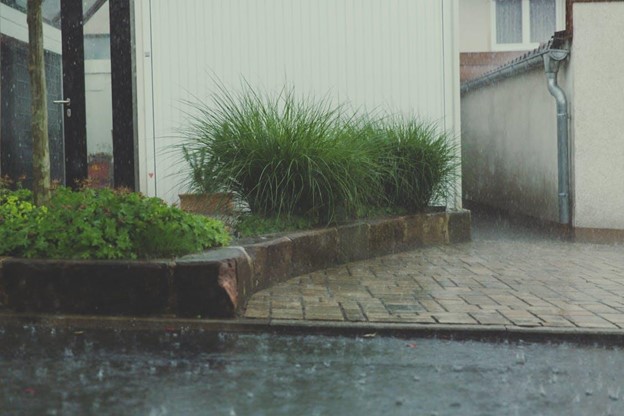
Heavy rain and strong storms are no strangers to homeowners in Chesterfield, MO. When the weather shifts suddenly, it’s not unusual to see streets covered in water, yards flooded, and power lines down. For those living in this part of Missouri, getting the house ready ahead of time is more than a seasonal chore—it’s a smart way to avoid stress and property damage.
Storms in the region can happen with little warning. They often bring high winds, flash flooding, and power outages. These conditions can lead to roof leaks, soaked basements, or damaged belongings. If water finds its way into your home, the cleanup can be time-consuming and costly.
That’s why planning ahead matters. With a few steps, you can make your home more weather-ready and reduce the risk of serious problems when the rain starts pouring.
To ensure your home is fully prepared for heavy rainfall or storms, it’s crucial to assess the surrounding area for potential flood risks. Consider visiting local resources or community centers that offer guidance on flood prevention and emergency preparedness. For instance, you might want to explore nearby facilities that provide sandbags or other protective materials. If you’re unsure where to start, you can check it out to find locations that offer these resources. Taking proactive steps not only safeguards your property but also provides peace of mind during severe weather conditions.
Start with Flood Prevention Basics
One of the first areas to check is your home’s protection against ground and surface water. When the soil around the house gets too saturated, water may push against the foundation and find weak spots. That’s when leaks or even flooding can happen, especially in basements or crawl spaces.
Some early signs of water issues include musty smells, damp walls, and puddles that stick around after it rains. Even if you’ve never had a flood before, your home could still be at risk. Storm patterns and soil conditions in Chesterfield can shift from year to year, which makes regular checks even more important.
There are a few simple upgrades that help reduce flood risk. Extending downspouts, regrading the lawn, and sealing small cracks in the foundation all help keep water from reaching problem areas. However, more protection might be needed in homes prone to flooding.
For homeowners concerned about basement flooding during a storm, sump pump installation in Chesterfield, MO, can be one of the most effective ways to prevent costly water damage. A sump pump collects and redirects water before it builds up under your home. It’s a practical tool that works quietly in the background but makes a big difference when heavy rain hits.
Professionals in the area understand the local soil, drainage, and storm patterns. That local experience matters when choosing the right pump and installing it in the best spot. Many homeowners feel more confident once they’ve added this extra line of defense.
Check Gutters, Downspouts, and Roof Condition
To ensure your home is well-prepared for heavy rainfall or storms, it’s crucial to inspect your roof for any signs of damage or wear. A sturdy roof is your first line of defense against the elements. If you’re in need of professional assistance, consider reaching out to Endurance Roofing near Arvada. Their expertise can help you identify potential issues and provide necessary repairs or reinforcements, ensuring your roof remains resilient during severe weather. Regular maintenance and timely repairs can prevent leaks and structural damage, safeguarding your home and providing peace of mind during stormy seasons.
Your roof, gutters, and downspouts play a big role during heavy storms. If one part fails, water may pool in places where it shouldn’t. Start by clearing out your gutters. Leaves, sticks, and other debris can clog the flow and cause rain to spill over the sides. That water can soak into your siding, rot wood, or seep near the foundation.
After cleaning the gutters, inspect the downspouts. They should direct water several feet away from your home. If they stop too close, consider using extensions to carry runoff away. It’s a simple upgrade that makes a noticeable difference when rainfall is heavy.
Your roof also needs a quick check. Look for missing shingles, cracked flashing, or spots that appear worn. These issues might not cause trouble on a sunny day, but a storm can push water through even small gaps. If you notice signs of damage or leaking, call a roofer for a closer look before storm season picks up.
To ensure your roof is ready to withstand heavy rainfall, it’s crucial to conduct regular inspections and maintenance. Check for any loose or missing shingles, as these can lead to leaks and water damage. Clean out gutters and downspouts to prevent water from pooling on the roof. If you’re unsure about the condition of your roof or need professional assistance, click to visit for expert advice and services. Taking these proactive steps can help protect your home from potential storm damage and keep your family safe during severe weather conditions.
Secure Windows, Doors, and Exterior Features
Strong winds and heavy rain test your home’s weak spots. Windows and doors are two of the most common entry points for water. Check the seals around both. If you feel air drafts or see cracks in the caulking, it’s time to reseal.
If you have window wells, make sure they’re clear of leaves and covered with tight-fitting guards. This stops rain from pooling and leaking through basement windows.
Look around your yard, too. Patio furniture, grills, and loose decorations can get tossed around during a storm. Tie down or move anything that could blow away or cause damage. If you have a shed or storage box, use it to store smaller items before the weather changes. If you own a lawn tractor, make sure to store it in a secure, covered area to prevent water damage and keep it ready for use once the storm passes.
To ensure your roof is ready for heavy rainfall, it’s crucial to conduct regular inspections and maintenance. This includes checking for loose or damaged shingles, ensuring gutters are clear of debris, and verifying that flashing is intact. If you’re unsure about the condition of your roof, consider reaching out to professionals like New Heights Roofing near Cincinnati. They can provide expert assessments and necessary repairs to safeguard your home against potential water damage. By taking these proactive steps, you can minimize the risk of leaks and structural issues, keeping your home safe and dry during stormy weather.
Protect the Interior and Check Emergency Supplies
Storm prep isn’t just about the outside. Inside your home, think about what could be at risk if water comes in or the power goes out. Move valuable items, electronics, or important papers off basement floors or low shelves. Use plastic storage bins for things you want to keep dry.
Keep flashlights, fresh batteries, bottled water, and first-aid supplies in one spot. If you lose power, you’ll want these things to be easy to reach. It also helps to have a battery-powered radio to hear weather updates.
Use surge protectors for your computer, television, or major appliances. Sudden power changes can damage devices, even if the power doesn’t stay off for long.
Consider a Backup Power Option
Power outages are common during major storms. High winds can knock down power lines, and outages may last for hours or longer. If you depend on electricity to keep a basement dry, store food, or power medical equipment, think about getting a backup system.
A portable generator or battery pack can keep a sump pump running or lights on during an outage. Before the storm season, check that your system works, has fuel or charge, and is stored in a safe, dry place.
Storms can be unpredictable, but your response doesn’t have to be. A little planning before the rain starts can help you avoid stress and damage later. From checking your gutters to sealing doors and backing up power, each step adds protection. Start early, and take it one task at a time. When the next storm hits, your home will be better prepared to handle whatever comes.
Apart from that if you want to know about How to Prep Your Home for Summer then please visit our Home Improvement Category.