



Junk Removal Cost
Junk removal costs vary widely depending on location, the volume and type of items, disposal fees, labor requirements, and the service model. Understanding these pricing components helps you budget appropriately and avoid surprise charges.
Junk removal services have gained immense popularity in recent years, as people seek to declutter their homes and businesses. However, understanding the costs involved can be confusing. This comprehensive guide breaks down every cost factor, compares service types, displays item-based fees, highlights hidden charges, and offers practical strategies to help you save money.
| Category | Details | Typical Cost Range |
| Inspection / Estimate | On-site or virtual quotes; sometimes includes pickup minimums | Free – $75 |
| Minimum Pickup Fee | Small loads or single-item removals | $75 – $150 |
| Quarter Load | Small room cleanouts, light decluttering | $150 – $250 |
| Half Truck Load | Multiple furniture items or moderate junk volume | $250 – $350 |
| Three-Quarter Load | Garage, basement, or partial estate cleanouts | $350 – $450 |
| Full Truck Load | Major cleanouts, construction debris, moving prep | $450 – $650+ |
| Single-Item Removal | Mattresses, couches, appliances, and small furniture | $80 – $300 per item |
| Dumpster Rental | Self-loaded; depends on size and rental duration | $250 – $600+ |
| Labor Surcharges | Stairs, tight spaces, heavy lifting, disassembly | $50 – $200+ extra |
| Disposal Fees | Electronics, tires, mattresses, paint, hazardous items | $10 – $100 per piece |
| Travel / Fuel Fees | Rural areas or long-distance pickups | $25 – $75+ |
| Hidden Costs | After-hours jobs, weekend rates, permitting | Varies by provider |
| Money-Saving Options | Curbside drop-off, donations, grouping loads, shared pickups | Save 10–40% |
Factors That Influence Junk Removal Costs
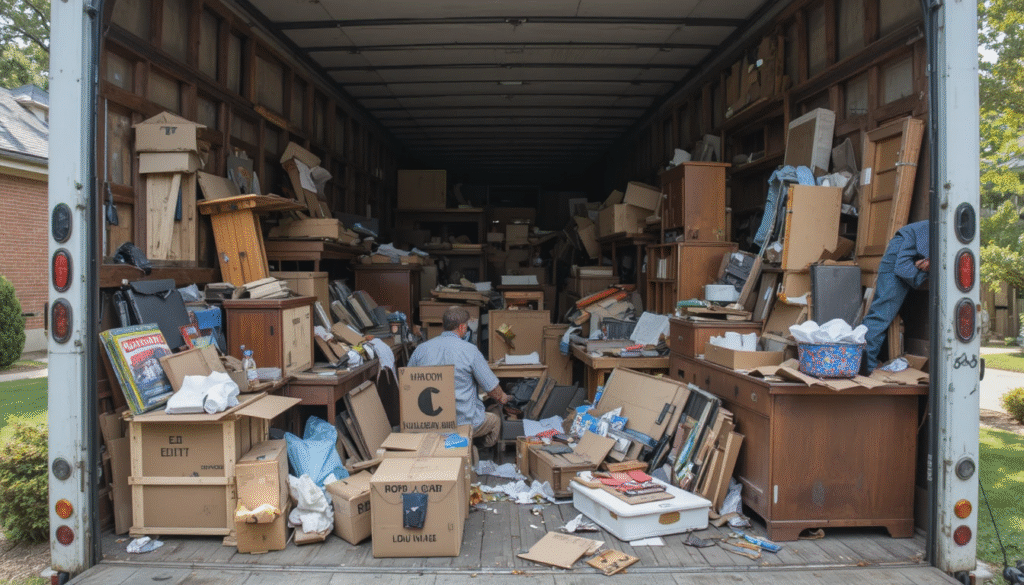
Several elements affect the price you pay. Below are the most common variables:
The price of a skip or a crew is easier to justify once you see the return: one seller explains how preparing your home for sale with junk removal added more to the final offer than it ever cost.
1. Volume and Weight
Junk removal companies often price by the amount of space your items occupy in the truck or the total weight of the materials. A small load may cost as little as $75 to $150, while a full truckload can exceed $500.
2. Location and Accessibility
Urban areas with higher disposal fees or labor rates may charge more. Accessibility also matters—items located on upper floors, in basements, or far from parking increase labor.
3. Labor Requirements
Some jobs need two or more workers, such as the disassembly of furniture or the careful handling of heavy materials. More labor means higher costs.
4. Type of Debris
Household junk is generally less expensive to remove than construction debris, hazardous waste, or appliances that require special disposal.
5. Disposal and Recycling Fees
Landfills, recycling centers, and donation facilities each have unique fees. Companies pass these along to customers.
Environmental Impact and Disposal Regulations
Another factor that influences junk removal costs is environmental regulations and disposal rules set by local authorities. In many areas, companies are required to follow strict guidelines for sorting, transporting, and disposing of waste in an eco-friendly way. This often includes separating recyclable materials, safely handling electronic waste, and ensuring hazardous items are processed at approved facilities. These regulations can increase operational costs, which may be reflected in the final price for customers. However, they also ensure that waste is managed responsibly, reducing environmental harm and promoting recycling and reuse wherever possible.
Common Service Types
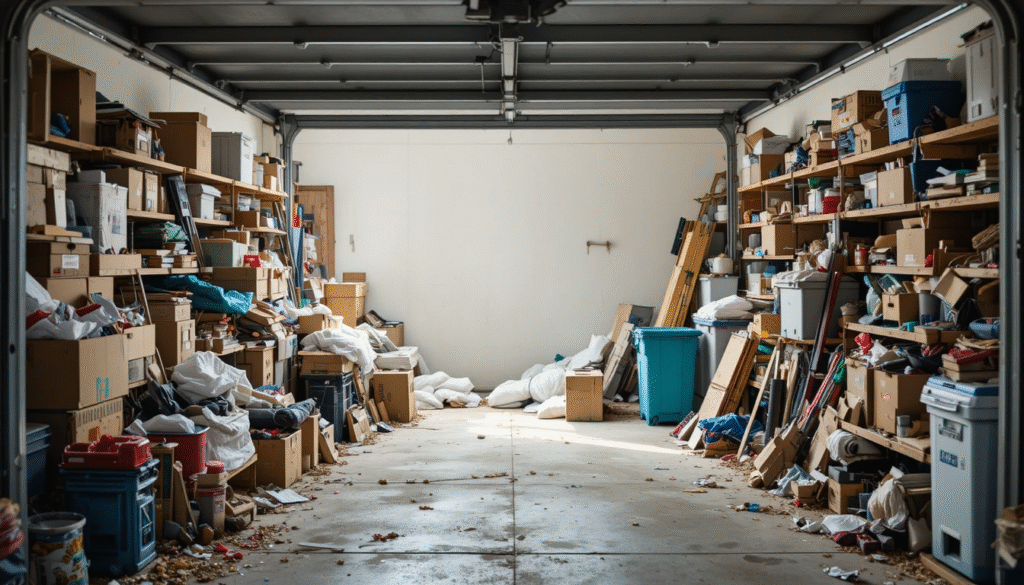
Understanding your options is crucial for selecting the most cost-effective junk removal solution. Full-service hauling is a convenient choice where professionals arrive at your location, load everything onto their truck, and handle all disposal, making it ideal for estate cleanouts, moving, or clearing out large items.
Alternatively, dumpster rental allows you to fill a dumpster yourself over several days, with costs ranging from $250 to $600, depending on the size of the dumpster and the rental duration. For those needing to remove just one item, such as an appliance or a piece of furniture, single-item pickup is an efficient option, usually costing between $80 and $200, based on the size and location of the item. By understanding these options, you can make a more informed decision that fits your budget and needs.
Item-Based Fee Examples
Prices vary by region, but average ranges are:
- Mattress: $70–$150
- Sofa: $100–$250
- Refrigerator: $120–$300
- Office desk: $80–$200
- Hot tub: $300–$600
Hidden Charges to Watch For
Some costs may not appear in initial quotes:
- Stair or distance surcharges
- Extra labor for demolition
- Fuel or travel fees
- After-hours service rates
- Disposal fees for electronics or tires
Average Junk Removal Cost by Load Size
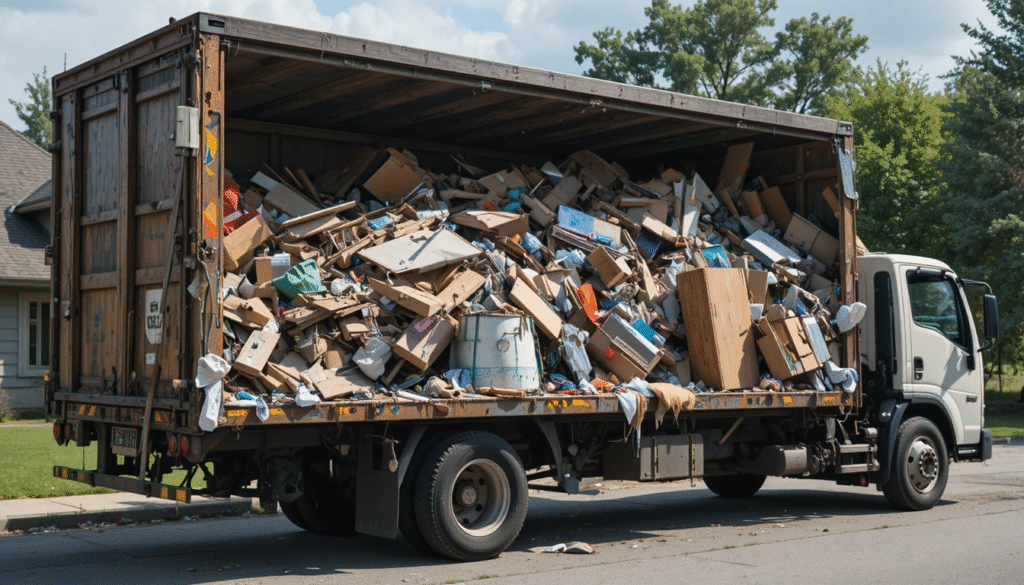
| Load Size | Typical Price Range | Best Use Case |
| Minimum Pickup | $75 – $150 | Small item or single appliance |
| Quarter Truck | $150 – $250 | Small room cleanup |
| Half Truck | $250 – $350 | Multiple furniture pieces |
| Three-Quarter Truck | $350 – $450 | Estate or garage cleanout |
| Full Truck | $450 – $650+ | Whole-home or construction debris |
Money-Saving Strategies for Junk Removal
Understanding the costs and potential hidden charges can help you save money when using junk removal services. Here are some innovative strategies:
1. Get Multiple Quotes
Always compare quotes from different junk removal companies. This not only gives you a sense of the average cost but may also reveal varying service offerings.
2. Schedule During Off-Peak Times
If your schedule allows, consider scheduling your junk removal during off-peak times. This could lead to discounts or lower service fees.
3. Bundle Services
If you have multiple items to remove, ask about bundling services. Many companies offer discounts for larger jobs or combined services.
4. DIY for Smaller Items
For small amounts of junk, consider a DIY approach. Renting a dumpster or using a truck to transport items to a landfill can be a more cost-effective option.
5. Recycle or Donate
Before calling a junk removal service, consider if any items can be donated or recycled. Many charities will pick up items for free, saving you the cost of removal.
6. Be Clear About Your Needs
Communicate clearly with the junk removal company about what you need removed. This can help avoid misunderstandings and unexpected charges.
Choosing the Right Provider
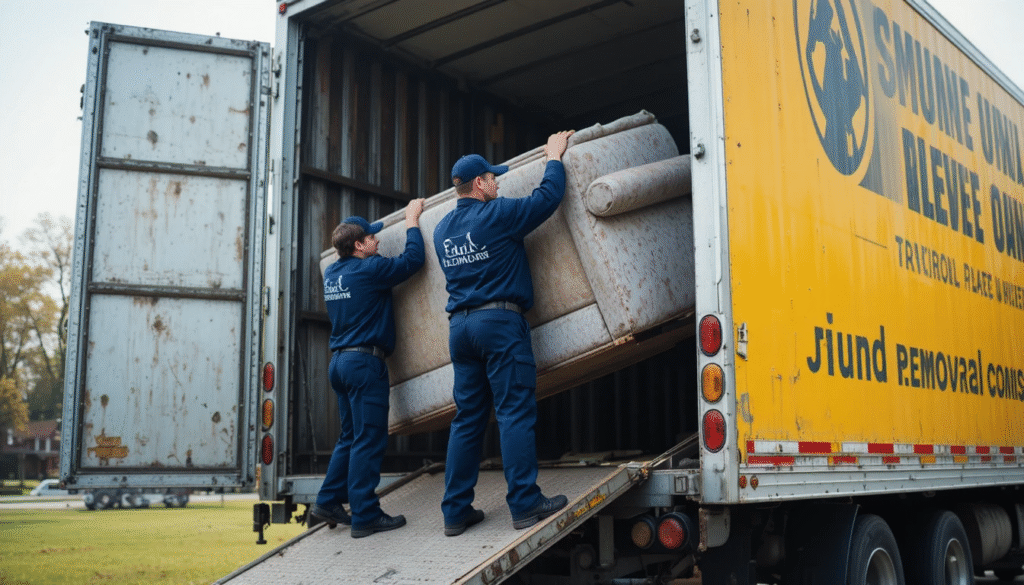
When selecting a junk removal service, it’s essential to conduct thorough research to ensure you choose a reputable provider. Start by verifying the company’s licensing and insurance; these factors are crucial as they protect you from liability in the event of accidents or damages during the removal process.
Additionally, look for transparent pricing practices; a trustworthy company should provide precise estimates without hidden fees, allowing you to understand the total cost upfront. Online reviews can also offer valuable insights into the experiences of previous customers, helping you gauge the reliability and quality of the service.
Conclusion
Understanding the costs associated with junk removal is crucial for effective budgeting and decision-making. By considering the pricing factors, service types, item-based fees, hidden charges, and innovative money-saving strategies, you can navigate the junk removal process with confidence.
Junk removal costs depend on the volume, type of items, location, and labor demands. By understanding service models, recognizing additional fees, and using strategic planning, you can stay within budget. Whether you need a quick pickup or a full estate cleanout, informed decision-making will help you get the best price and efficient service.
Want to know about What’s Driving the Rising Demand of Perspex Sheets in Australia? Check out our Home Improvement category.
FAQs
Most homeowners pay between $150 and $400 for a single junk removal visit, depending on load size, location, and the type of items being hauled.
Minimum fees (typically $75–$150) cover fuel, labor, and disposal costs even for small pickups. It ensures the trip is financially viable for the company.
Single-item removal typically ranges from $80 to $300, depending on the item’s weight, size, and local disposal restrictions.
Dumpster rental can be more cost-effective for large DIY cleanouts, costing around $250–$ 600, depending on the size and rental duration. For smaller loads, full-service pickup is typically more cost-effective.