


Whether it’s the sweltering heat of July or the icy chill of January, your HVAC system is the one thing standing between you and uncomfortable indoor temperatures. It works hard all year to maintain a consistent climate in your home, ensuring you feel relaxed, safe, and productive no matter what’s happening outside. But like any other major home system, your HVAC equipment needs regular upkeep to perform at its best.
When it’s neglected, your system can become inefficient, break down unexpectedly, or even pose safety risks.
This article gives you a comprehensive, easy-to-follow checklist that covers essential HVAC maintenance tasks throughout the year.
1. Replace Air Filters Every 1–3 Months
The air filter in your HVAC system may be small, but it plays a major role in how well everything functions. Its job is to trap dust, pet dander, pollen, and other particles before they enter the system or circulate through your home. Over time, the filter becomes clogged. When that happens, your system has to work harder to pull in air, which strains the motor and reduces efficiency.
Checking the filter every month is a good habit. Depending on the type of filter and the environment in your home, you should replace it every one to three months. Clean filters improve airflow, extend the life of your system, and keep the indoor air you breathe healthier.
2. Schedule Heat Pump Maintenance Twice a Year
If your home relies on a heat pump, you’re depending on one system to do the job of both heating and cooling. That means it works year-round, often harder than other HVAC setups that only focus on one season. Because of this dual function, regular heat pump maintenance (twice a year) is necessary.
Regular service helps your heat pump run efficiently. During these checkups, a technician will inspect the electrical connections, check refrigerant levels, clean the coils, and test the thermostat calibration. Skipping this maintenance could lead to higher energy bills, reduced performance, or even an unexpected breakdown during extreme weather.
When properly maintained, your heat pump can deliver consistent, reliable comfort without overworking or wasting energy.
3. Keep Vents and Registers Clear
Blocked vents are easy to neglect, especially in rooms where furniture might shift around or decorative rugs are laid down. But vents and registers are how air gets from the HVAC system into your living spaces. When these openings are blocked, airflow gets disrupted, and your system has to work harder to push air through.
Take a few minutes every season to walk through your home and check that all vents are free from obstructions. This includes return air registers, which pull air back into the system to be heated or cooled again. Ensuring these pathways are clear helps your system distribute air evenly, maintain set temperatures, and run more efficiently overall.
Maintaining your home’s climate control system is an ongoing responsibility that changes with the local weather patterns. Regional climate variations can place unique stresses on different components, necessitating a tailored approach to inspections and repairs. For residents living in specific areas, consulting a reliable HVAC contractor in North Bend ensures that the mechanical nuances of their equipment are addressed by those familiar with the local environment. Proactive adjustments, such as verifying electrical connections and clearing external debris, serve as the primary defense against unexpected malfunctions. By integrating these routine checks into your seasonal home care schedule, you significantly enhance the overall reliability and efficiency of your heating and cooling investment.
Maintaining a rigorous schedule for home infrastructure is essential for long-term efficiency and peace of mind. While simple tasks like clearing foliage away from the outdoor condenser or checking thermostat batteries can be done independently, more technical inspections of the heat exchanger and electrical wiring require a deeper level of mechanical knowledge. Utilizing a professional service like Absolute Comfort Heating and Cooling allows for a comprehensive assessment of these vital components before the peak of summer or winter. This balanced approach to upkeep helps avoid the stress of sudden system failures while ensuring that your utility costs remain predictable and manageable as the seasons shift.
4. Clean Around Outdoor Units
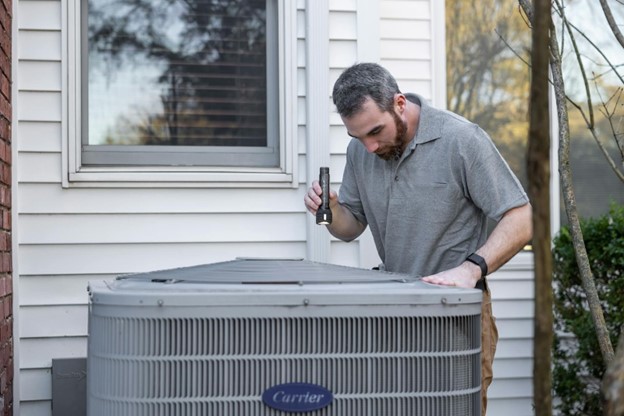
Your HVAC system likely has a condenser or heat pump unit outside. This component pulls in air and releases heat, depending on whether you’re cooling or heating. Since it sits outdoors, it’s constantly exposed to the elements. Leaves, twigs, grass clippings, and other debris can gather around the unit and block airflow, causing the system to overheat or run inefficiently.
It’s important to clear away any buildup at least once a month. Keep about two feet of space around the unit free of any obstructions, including plants or fencing. Also, make sure the unit is level—shifts in the ground can affect internal components over time.
A clean, well-ventilated outdoor unit helps your entire system work better and last longer.
5. Inspect and Clean the Condensate Drain Line
Your HVAC system doesn’t just control temperature; it also removes excess humidity from the air. That moisture collects and drains through a pipe called the condensate line. Over time, this line can become clogged with algae or gunk, especially in warm and humid climates. If it backs up, water can leak onto your floor or into your walls, causing damage or even mold growth.
Therefore, inspect the drain line regularly. If you see water pooling around the indoor unit or notice musty odors, it could be a sign of a clogged line. Flushing it out with a mix of water and vinegar is a simple way to keep it clean.
6. Test Your Thermostat Settings and Batteries
Your thermostat plays a central role in managing your home’s temperature. A thermostat that fails to accurately detect temperature or follow programmed schedules can lead to uneven heating or cooling, energy waste, and discomfort.
Check if your thermostat is responding correctly. When you adjust the temperature, the system should turn on or off within a few moments. If there’s a delay or no response, you may need to replace the batteries or have the unit inspected. Most thermostats require battery replacements about once a year, even if they seem to be working fine. It’s a small step that prevents bigger issues.
7. Seal and Insulate Ductwork
Ductwork is responsible for carrying conditioned air from your HVAC system to every room in your home. When ducts have leaks or are poorly insulated, that air can escape before it ever reaches its destination.
You can check visible ducts in areas like the attic, basement, or crawl space. Feel around joints and seams for any air leaks. If you notice holes, gaps, or disconnected sections, seal them with mastic sealant or aluminum foil tape—never regular duct tape. In unconditioned spaces, wrapping ducts in insulation helps prevent heat loss or gain, especially during extreme temperatures.
This step improves comfort and helps your system maintain a consistent climate throughout the house.
8. Book a Professional Tune-Up Before Peak Seasons
Even if you handle basic maintenance tasks yourself, it’s important to schedule professional service twice a year—ideally in the spring and fall. These tune-ups prepare your system for heavy use during summer and winter and give you a chance to catch issues early.
During a tune-up, a certified technician will check refrigerant levels, test electrical connections, clean internal parts, inspect the blower motor, and make sure everything is calibrated correctly. They’ll also look for wear and tear that you might not notice on your own. Investing in these checkups can prevent surprise breakdowns, improve performance, and extend the life of your equipment.
Regular attention and care are vital for an optimally functioning HVAC system. These steps help address common maintenance gaps that many homeowners forget, yet they make a noticeable difference in how your system performs. This checklist gives you everything you need to keep your HVAC running smoothly all year long. Follow it, stay consistent, and your system will return the favor—day in and day out.
Apart from that if you want to know about Why Older Homes Require Specialized HVAC Care then please visit our Home Improvement Category.