


Introduction
If you’ve ever tripped over a mountain of shoes by the front door or found yourself frantically searching for a lost mitten moments before heading out, then you know the true chaos that can stem from a disorganised entryway. That’s where mudroom cubbies come into play, a simple yet powerful solution that brings structure and serenity to the daily hustle.
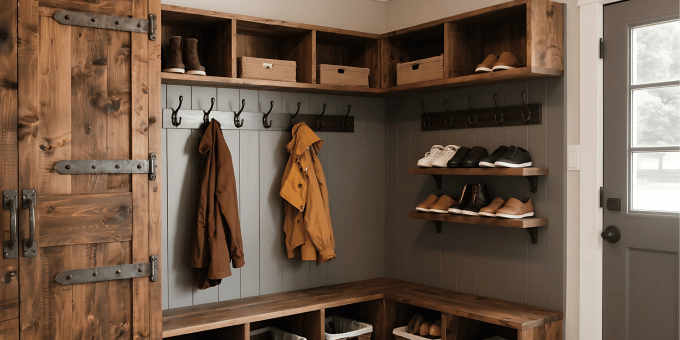
Whether you’re juggling kids, pets, guests, or just trying to stay on top of your schedule, installing mud room cubbies can revolutionise the way your home functions and feels. Mud room cubbies are a smart and stylish storage solution designed to keep entryways neat, organised, and clutter-free. Typically built into mudrooms or foyers, these cubbies provide designated spaces for each family member to store everyday items like shoes, coats, backpacks, and accessories.
With features like benches, hooks, shelves, and baskets, they make it easy to drop off and grab essentials on the go. Whether custom-built or store-bought, mud room cubbies help maintain a clean and welcoming home by preventing dirt and clutter from spreading beyond the entryway. They’re especially handy for busy households, adding both function and charm to the home’s first impression.
Here’s a simple table outlining key aspects of mud room cubbies, including their purpose, materials, benefits, features, and common uses:
| Category | Details |
|---|---|
| Purpose | Organize entryway items and reduce household clutter |
| Common Materials | Plywood, MDF, solid wood, metal hooks, baskets, paint/stain |
| Main Features | Open cubbies, benches, hooks, shelves, drawers, labeled sections |
| Benefits | Improves organization, keeps dirt out, saves time, adds home value |
| Size Options | Custom-fit to any space; small (1–2 cubbies) to large (family-sized units) |
| Installation | DIY or professional installation; freestanding or built-in |
| Popular Add-ons | Coat hooks, shoe storage, seating bench, overhead cabinets |
| Ideal For | Families, pet owners, school-age kids, busy households |
| Maintenance | Easy to clean; periodic decluttering and wiping recommended |
| Style Choices | Modern, farmhouse, rustic, minimalist, custom-painted finishes |
Mud Room Cubbies
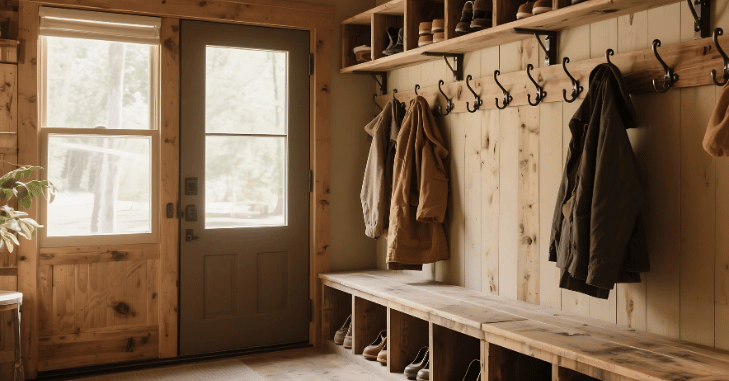
Mud room cubbies are individual storage compartments typically located in a home’s entryway or mudroom. They’re designed to corral all the everyday essentials: shoes, jackets, bags, backpacks, sports equipment, umbrellas, and more.
These compartments can be open or closed, customised with hooks, baskets, drawers, or shelves, and often include built-in benches for added convenience. Think of them as personalised mini-lockers for every member of the household.
Each cubby acts as a drop zone, providing everyone with a place to stash their belongings without cluttering the rest of the house. They’re not only practical but also a chance to showcase your home’s style right at the threshold.
Why You Need Mud Room Cubbies?
Still on the fence about whether cubbies are worth the hype? Here are several compelling reasons to take the plunge:
- Ultimate Organisation: Assigning each family member their own cubby keeps everything in its place. No more jackets flung on chairs or shoes littering the hallway.
- Morning Efficiency: When everything has a designated spot, mornings become less chaotic. Grab-and-go becomes effortless.
- Tidy Spaces: Dirt, water, and mud are kept in check, especially with strategically placed boot trays and washable mats.
- Stylish Entryways: Today’s cubbies come in endless design options—from farmhouse chic to modern minimalist, so your storage system can also be a design statement.
- Multi-Purpose Storage: Some cubbies feature hidden compartments, pull-out drawers, or even pet storage solutions, making them incredibly versatile.
Design Ideas and Features
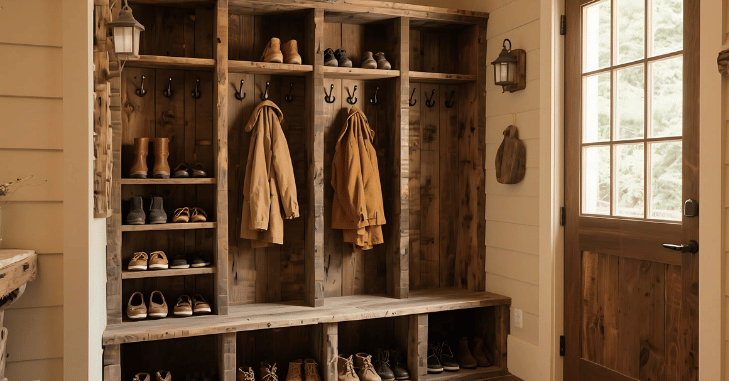
Whether you’re building a custom mud room from scratch or updating a corner of your hallway, the design possibilities are virtually endless. Here are some key considerations to guide your setup:
- Built-in vs. Freestanding: Built-ins offer a sleek, tailored look and can increase your home’s value, while freestanding cubbies are ideal for temporary setups or rental houses.
- Material Choices: Choose materials that strike a balance between style and durability. Rustic reclaimed wood offers a cosy vibe, while white-painted MDF lends a clean, modern feel. Metal frames can add a touch of industrial style.
- Personalised Details: Add nameplates or photo holders so everyone knows which cubby is theirs. Chalkboard or corkboard inserts are great for reminders, grocery lists, or kids’ artwork.
- Integrated Seating: Adding a bench above the shoe cubbies provides everyone with a comfortable spot to sit while putting on or taking off their footwear. Bonus: it’s a great perch for sorting bags or unloading groceries.
- Overhead and Hidden Storage: Utilise every inch by incorporating upper cabinets for seasonal gear or decorative bins, and lower drawers for smaller items like gloves, hats, or dog leashes.
- Colour and Finish Options: Whether you prefer bold accent colours, warm wood tones, or crisp neutrals, your cubby finish can blend seamlessly with the rest of your home’s aesthetic.
Benefits
Mud room cubbies offer a range of benefits that make them a must-have in any busy household. One of the biggest advantages is that each family member gets their own designated space to store everyday essentials, reducing clutter in the rest of the home.
They also help keep things tidy by giving muddy shoes, wet jackets, and backpacks a proper place, preventing dirt and mess from spreading. With built-in benches, cubbies make it easy to sit and take off your footwear, while hooks and bins keep everything within reach.
Material Required
Building mud room cubbies requires a combination of durable and practical materials to ensure long-lasting functionality. Common materials include plywood or MDF (medium-density fiberboard) for the main structure, as they are both affordable and easy to work with. Solid wood can also be used for a more premium, sturdy finish.
Additional components, such as wood trim, moulding, or beadboard, can be added for decorative touches. Hardware such as screws, nails, wood glue, and brackets are essential for assembly, while hooks and baskets offer extra utility. You may also need paint, stain, or sealant to match your home’s aesthetic and protect the surface from moisture and wear.
Tips for Maximising Your Mud Room Cubbies
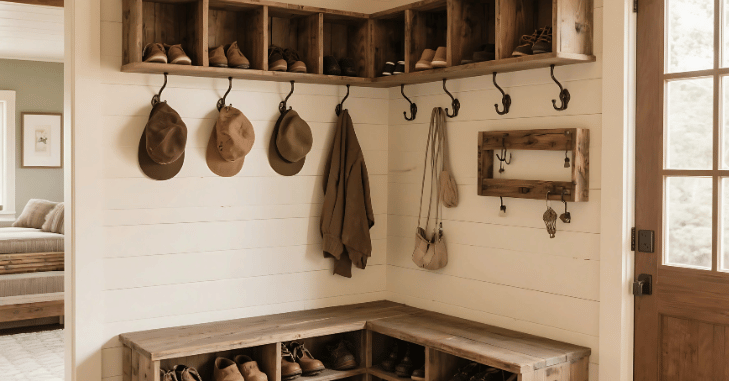
To get the most out of your mud room setup, try these simple but effective strategies:
- Purge Regularly: Get rid of items that no longer fit or aren’t used often to keep your cubbies from overflowing.
- Rotate with the Seasons: Store off-season items in bins or another closet so your mud room stays clutter-free year-round.
- Use Labels or Colour Coding: Especially helpful in large households or for kids who aren’t yet reading.
- Install Good Lighting: Bright, well-placed lighting not only makes the space look more inviting but also helps you find what you need in a flash.
- Add a Mirror: A mirror can make the space feel larger and is handy for a last-minute appearance check before heading out.
- Scent It Up: Add a small diffuser or sachet to keep the area smelling fresh, especially if it’s filled with shoes and gym bags.
Conclusion
Mud room cubbies might seem like a simple addition, but their impact on your home’s organisation and overall vibe is profound. They transform chaos into calm and elevate a basic entryway into a functional, beautiful space that works for your lifestyle.
You don’t need a sprawling estate to implement them; even a small nook can be turned into an organised hub with the right cubby system. So, whether you’re dealing with a busy household, welcoming frequent guests, or want a better way to manage daily clutter.
Mud room cubbies are a practical, attractive, and entirely worthwhile investment. After all, the first step into your home should feel like a breath of fresh air, not a leap over a pile of shoes.
Apart from that if you want to know about “How to Update Your Living Room Without Overhauling Everything” then please visit our “Home Improvement” Category.
FAQs
Even small spaces can accommodate cubbies. A wall as narrow as 4 to 6 feet can fit a few cubbies. You can also build them vertically if you’re short on horizontal space.
Absolutely! Many homeowners create DIY cubbies using plywood, MDF, or pre-made shelving units. You can find plenty of tutorials online if you’re handy with tools.
Yes, modular or pre-fab cubby kits are available at home improvement stores like Lowe’s, IKEA, and Home Depot for those who prefer easier installation.
Definitely. They increase functionality, reduce clutter, and can even add value to your home by enhancing organisation and aesthetic appeal.
Unlike closets, cubbies are typically open and segmented, offering quick and easy access. They’re designed more for convenience and daily use rather than long-term storage.