


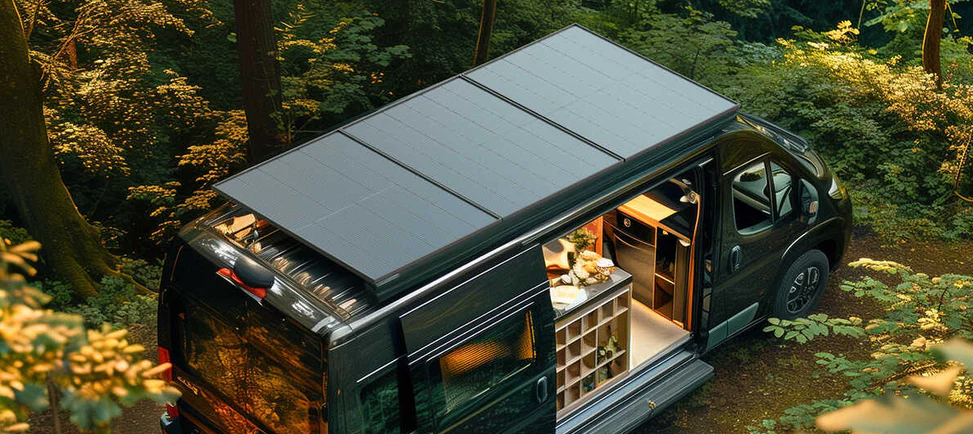
In an era where energy independence and sustainability are more than just buzzwords, the solar industry continues to evolve in powerful and practical ways. While massive solar farms and rooftop installations dominate the headlines, a quiet revolution is also taking place in smaller, more flexible systems—especially with the rise of the 400-watt solar panel and the increasingly popular bifacial solar panel technology.
These solar panels aren’t just technical upgrades. They represent a shift in how people think about energy: portable, modular, and powerful enough to run significant appliances or supplement existing systems, yet small enough to be used by individuals, homeowners, van lifers, or cabin owners who want control over their electricity production.
What Makes the BougeRV 400-Watt Solar Panel So Useful?
When it comes to solar, wattage determines how much energy a panel can generate under ideal conditions. A 400-watt solar panel offers a significant jump in power from the standard 100/200-watt panels often used for small-scale setups. With 400 watts, you can power or offset usage for:
- Medium-sized refrigerators
- Laptop or mobile charging stations
- Wi-Fi routers and modems
- Portable air conditioners or fans
- LED lighting systems
- Water pumps or filtration units
What’s important here isn’t just what one panel can do on its own, but how it fits into a broader, flexible energy solution. A single panel of this wattage can be part of a mobile solar array, a backup energy source, or a foundational piece of an off-grid setup.
For people with limited roof space, such as in RVs, tiny homes, or boats, a higher-wattage panel like this makes it easier to meet energy needs without having to install several lower-output panels.
Understanding Bifacial Solar Panels: Power From Two Sides
A bifacial solar panel is built to absorb sunlight not just from the front-facing side (as with traditional panels), but also from the rear. This is achieved using a transparent backsheet or glass, allowing reflected sunlight to hit the rear cells and generate additional energy.
The benefits are compelling:
- Increased Efficiency: Depending on installation and ground reflectivity (like snow, sand, or white rooftops), bifacial panels can yield up to 10-20% more energy than monofacial ones.
- Space Optimization: With more energy captured per panel, you need fewer panels to meet the same energy demand, critical in compact or mobile setups.
- Durability: Most bifacial designs use double-glass construction, which can improve weather resistance and longevity.
Combining bifacial technology with a 400-watt solar panel essentially means you get more power per square foot, especially in environments where light is bouncing off surfaces like concrete, water, or reflective rooftops.

Practical Applications for Homeowners and Adventurers Alike
One of the most exciting things about today’s solar tech is how accessible it’s become—not just in terms of cost, but in usability. A 400 watt bifacial panel isn’t just for large home installations anymore. It’s being used by:
- Homeowners are supplementing their grid power to reduce bills or keep essentials running during outages.
- Van lifers and RV travelers who need efficient energy production in a limited footprint.
- Off-grid cabin owners who are looking to power lights, tools, or water systems with minimal infrastructure.
- Construction or field workers setting up mobile workstations with laptops, lights, or compressors.
- Remote researchers and photographers who need dependable, renewable energy in the wild.
The portability of newer panel designs and the high output of bifacial models allow users to bring solar into more rugged or transient environments without compromising on power.
As solar technology becomes more advanced, brands like BougeRV are making high-capacity panels more accessible for everyday users. The combination of 400-watt output and bifacial efficiency creates a balance of performance and practicality that appeals to both beginners and experienced solar users. Whether the goal is lowering monthly electricity bills, creating a reliable backup system, or building a fully off-grid lifestyle, these modern panels offer a scalable solution that adapts to changing energy demands.
Things to Consider Before Choosing a 400-Watt Bifacial Panel
Although the appeal is clear, it’s important to match your energy system to your needs. Here are a few questions to ask:
- Do you have enough battery storage? High-output panels require a battery that can store the energy generated, especially if you’re using the system off-grid.
- Is the installation area suitable for bifacial use? To get the most from rear-side production, you’ll want a surface that reflects light—white gravel, snow, or metal rooftops work well.
- Are your charge controllers and inverters compatible? Make sure your system components can handle the wattage and voltage of a 400-watt panel.
- What is your energy consumption profile? Knowing what you need to run helps determine whether a single panel is enough or if you’ll need a few working together.
These panels are impressive, but they work best when the full system—battery, controller, inverter, and user habits—aligns with their output.
Want to know about ‘Solar Outdoor Wall Lights: Combining Energy Efficiency with Elegant Exterior Lighting Solutions‘? Check out our ‘Tech‘ category.
Final Thoughts
The BougeRV 400-watt solar panel is no longer just for commercial use. Paired with bifacial solar panel technology, it brings powerful, efficient energy production to homes, vehicles, cabins, and mobile setups in ways that were almost unthinkable a decade ago.
As more people look for ways to live sustainably, reduce energy costs, or simply maintain control over their power supply during unpredictable weather or grid disruptions, these panels offer a smart, high-impact solution. It’s not just about going green—it’s about being prepared, being flexible, and choosing smarter ways to power the life you want, wherever that life may take you.

