


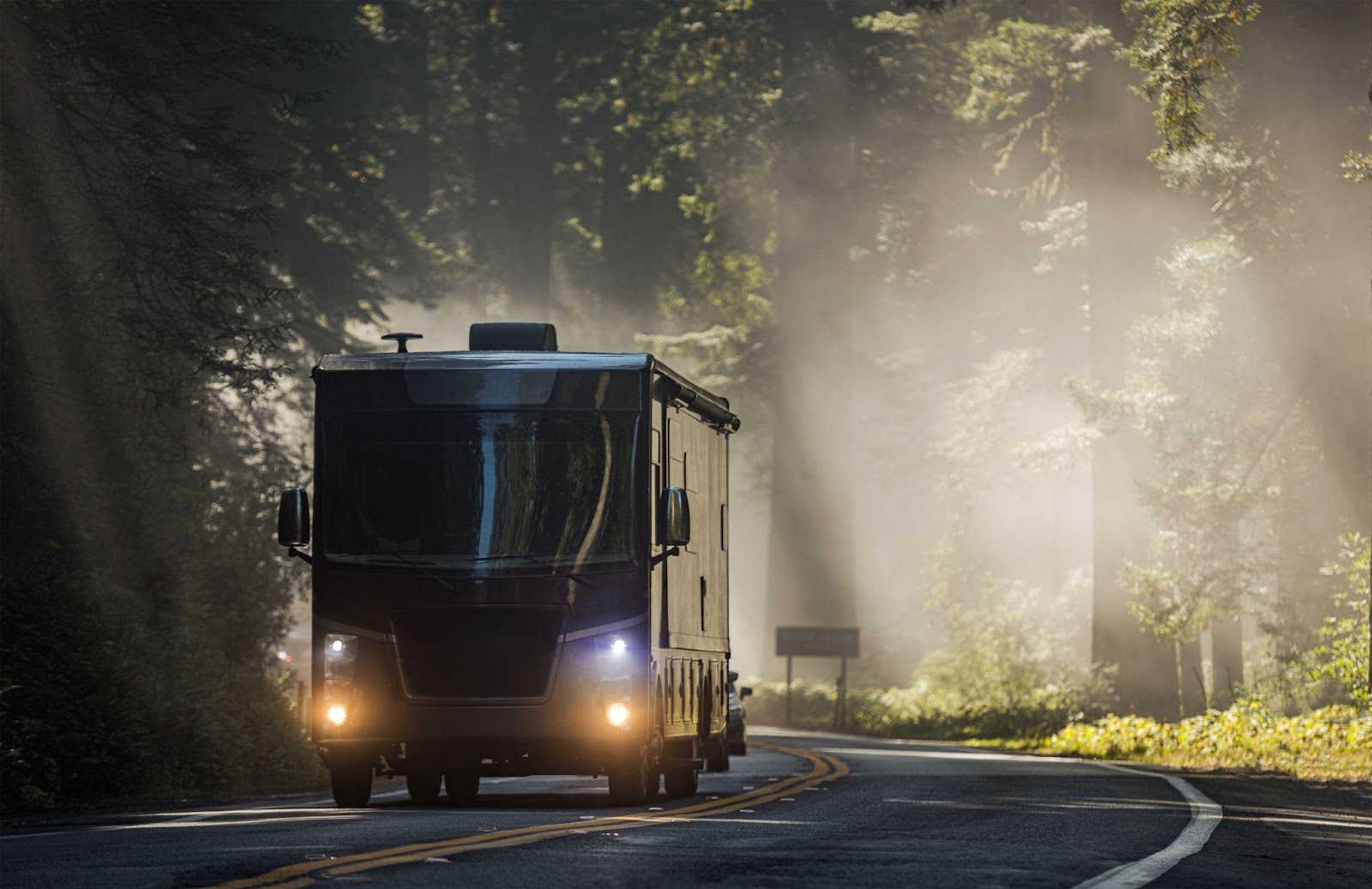
- Vanlife costs go beyond fuel and campsites, with upfront setup often exceeding expectations
- Recurring expenses like maintenance, insurance and data can strain a tight budget over time
- Sleeping locations and internet access require more planning — and money — than most assume
- Realistic weekly budgets range from $300 to over $1000, depending on setup, pace and comfort level
So, you’re tempted—a bed in the back, the road in front, and no rent to speak of. Vanlife has a way of pulling people in, especially now that remote work is becoming more regular and property prices continue to climb. Maybe it started with a weekend trip up the coast, or perhaps you saw one too many beachside sunset reels on social media. Either way, you’re wondering how realistic it is to make van life part of your everyday life.
The truth? It’s entirely possible in 2025. But it’s not as cheap as most people expect. Fuel is only a small part of the picture. And the expenses that matter most often show up before the road trip even begins.
You Think It’s Just Fuel and Campsites—Here’s What Most People Miss
Most first-time vanlifers set their sights on a budget, but the planning usually stops at fuel estimates and camping fees. What gets overlooked are the up-front costs of making a van livable, not luxurious, just functional enough to sleep, cook, and drive safely across long distances.
Even if you’re handy, there are dozens of little things that add up fast. Power systems. Plumbing. Roof vents. Decent tyres. If your setup doesn’t include built-ins, you’ll need containers, latches, locks, straps, and a way to store everything that doesn’t rattle. You’ll need gear that works in heatwaves and cold snaps, and enough insulation to sleep near the Snowy Mountains or the Top End.
And then there’s compliance. If you’re modifying an existing van, specific changes trigger roadworthy checks. Gas fittings need certification. Electrical work must meet safety standards. Skip any of this, and you’re one police stop or insurance claim away from a costly mistake.
The issue isn’t just money — it’s planning. People fall in love with the idea of freedom on the road, but the upfront reality demands structure. A vanlife setup that’s truly road-ready in Australia requires navigating regulations, weight limits, bushfire conditions, and extended periods between services. That’s why your costs climb well before your first overnight stop.
The Vehicle Setup Can Eat Half Your Budget Before You Hit the Road
The single most significant cost in vanlife isn’t petrol or campsite fees. It’s the rig itself. Whether you’re choosing a converted HiAce, a camper trailer, or a full motorhome, your choice of vehicle defines not just how you travel, but how much you’ll spend from the outset.
This is where the bulk of your budget often disappears, especially if you want something reliable and dependable. In Australia, a solid mid-range setup that can handle year-round travel usually starts around $30,000 and can easily hit six figures once you factor in solar, water systems, suspension upgrades, and storage fit-outs.
If you’re sourcing locally, dealers of Sydney RV caravans & motorhomes often offer pre-owned options with warranties, which is a safer bet than private sellers for long-term use. Local providers also tend to understand what kind of features are helpful for Australian conditions and what is just unnecessary weight.
Even with a secondhand setup, you’ll need to budget for modifications. Very few vehicles come with exactly what you need. And unless you’re travelling for short stretches or doing vanlife part-time, comfort quickly becomes a non-negotiable. That’s where many people overspend without realising — not because they’re upgrading for luxury, but because they underestimated what daily life on the road requires.
Recurring Costs That Sneak Up on New Vanlifers
Once you’re on the road, it’s easy to think the big spending is behind you. However, for most travellers, the hidden costs that appear month after month are what test the budget.
Fuel is the obvious one. Diesel prices are still climbing, especially inland, and even a modest touring loop can blow through hundreds of dollars in a single week. Bigger rigs consume more fuel, and the weight of your setup matters more than people expect. That portable shower, full water tank, extra gas bottle, and solar panels? They all add drag and cost you at the pump.
Then there’s rego, insurance, and servicing. Most states now require annual checks for campervans, and premiums tend to jump for modified or self-contained vehicles. Maintenance is its wildcard — a busted alternator or cracked windscreen in the middle of WA won’t wait until you’re back in the city.
Campsites can be free, sure. But only some of the time. Popular campgrounds now charge $20–$50 per night, and the truly remote ones often require booking. And even free camps come with indirect costs. Staying off-grid long-term means you’ll need a toilet setup, extra batteries, greywater tanks, and good storage — all of which require maintenance or replacement over time.
Then there are the odd extras: gas refills, laundry, phone top-ups, toll roads, ferry crossings. None are significant on their own. Together, they turn into hundreds of dollars a month without much warning.
Planning Around Work, Wi-Fi and Where You’ll Actually Sleep
If you’re planning to work remotely from the road, internet access isn’t optional — and it’s rarely as straightforward as hotspotting off your phone. Telstra still has the best rural coverage, but even then, there are dead zones. Starlink is increasingly popular for digital nomads, but it comes with setup fees and ongoing monthly costs.
Data aside, staying connected requires power. Laptops, modems, inverters — they all need reliable energy, and that usually means upgrading your battery system or investing in solar. If you skip this step, you’ll either run out of power in the middle of a work task or find yourself parked near a café all day just to charge up.
Then there’s the question of where to sleep. Not every beachside car park is permitted for overnight parking, and councils have cracked down hard in high-traffic areas. Apps like WikiCamps are helpful, but they don’t always reflect the current rules. You’ll often need a mix of free rest areas, low-cost showgrounds, caravan parks, and the occasional stealth camp in the suburbs when other options fall through.
And if you’re trying to stay near major hubs like Sydney or Byron for work or social reasons, expect to pay a premium. Even low-frills caravan parks close to the city charge upwards of $60 per night, especially during peak holiday periods. Over a month, that’s more than what many renters pay — and it catches people off guard.
Real Budgets From Real Travellers
One of the most valuable things you can do before starting vanlife is to look at what others are spending — not the aspirational Instagram version, but the weekly totals people admit to when they’re being honest.
For solo travellers who prefer to keep things simple, weekly costs can be surprisingly manageable. A backpacker with a basic converted van, doing mostly free camping and short-distance travel, might spend $300–$400 per week. That covers food, fuel, occasional paid camps, the odd repair, and a bit of phone data. However, it only works if the setup is minimal, travel is slow, and expectations are low.
At the other end of the spectrum are couples or families travelling long-term with upgraded rigs. For them, weekly expenses typically range from $700 to $ 1,000. That includes better food storage (so less waste), solar systems, ongoing subscriptions for navigation or work tools, and more frequent stays in powered sites or caravan parks. It also factors in longer hauls, regular servicing, and small luxuries like cafés, local tours, or a hot shower that doesn’t involve a hose.
What surprises most people is how little wiggle room there is once you’re rolling. Even minor detours can quickly drain your budget if you haven’t planned for fuel spikes or regional price fluctuations. It’s not that vanlife is expensive in every way — it just doesn’t leave much room for error if you’re trying to keep things affordable.
Is It Worth It in 2025? What You Get for the Money
For plenty of travellers, the freedom is worth every cent. Waking up next to a quiet riverbank or finding an empty stretch of beach with no itinerary has a kind of value that doesn’t show up on a spreadsheet. The slow pace, the flexibility, the constant change of scenery — they all add up to a lifestyle that’s hard to replicate through short holidays or weekend trips.
But it only works if the setup is correct. Skimping on comfort leads to burnout. Underestimating running costs can lead to stress. The people who thrive in van life are usually those who have planned the dull parts properly — budgets, systems, repairs — so they can enjoy the freedom when it counts.
It’s not the cheapest way to live. It’s not always the easiest. But for the right person, in the proper rig, with the right mindset, it still makes sense in 2025.
Apart from that, if you are interested to know about Why E-Bikes Are the Perfect Gateway to a More Active Lifestyle then visit our Automobile category.