


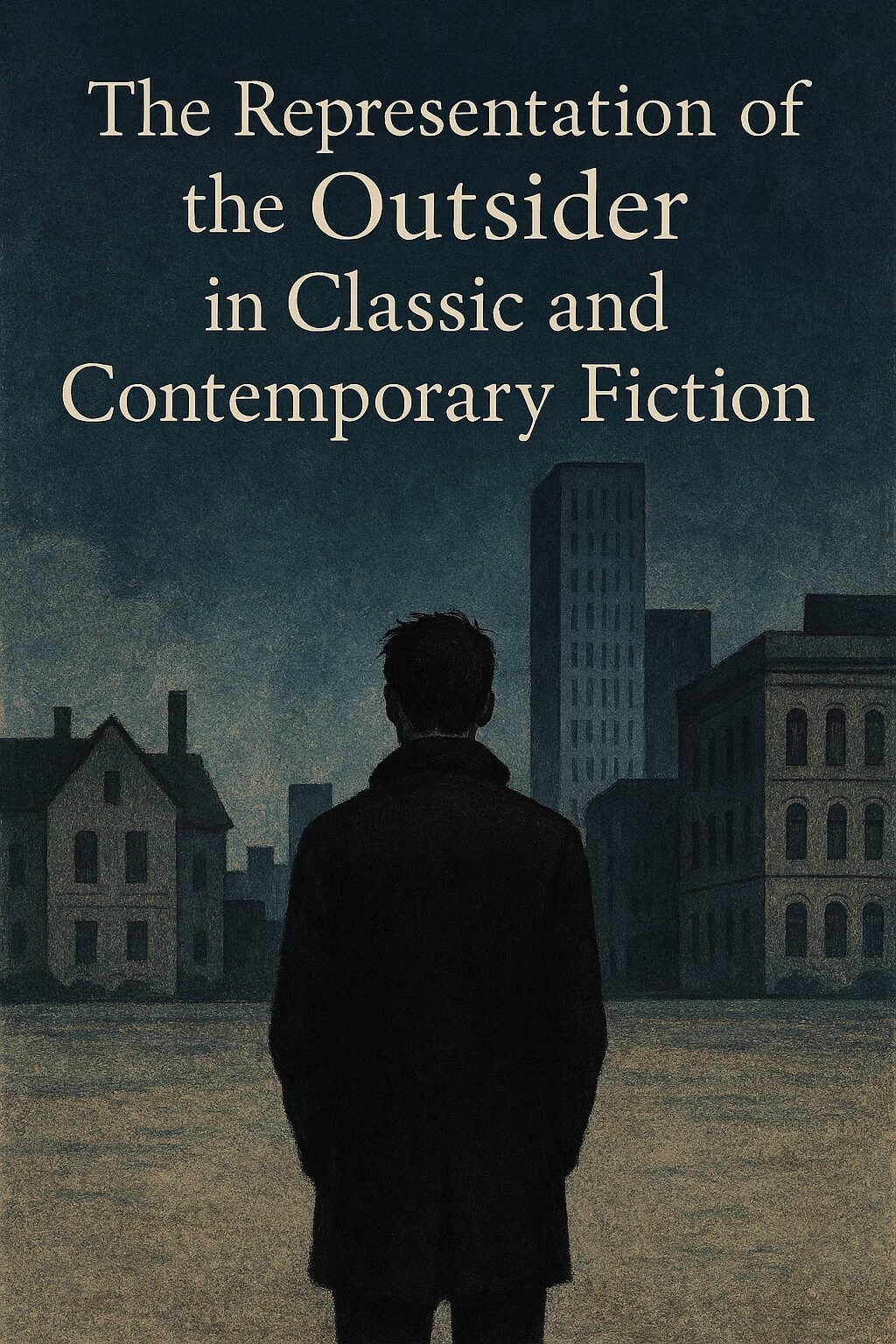
What Makes a Character the Outsider
Fiction often finds its heartbeat in the character who does not belong. The outsider sees the world from the edge and that point of view holds a strange kind of power. It reflects the uncomfortable truth that belonging is often earned through rules that not everyone can follow. From brooding Victorian protagonists to loners in suburban settings the outsider reminds readers that alienation has many faces.
In classic literature the outsider often carries a burden. Think of Frankenstein’s monster in Mary Shelley’s “Frankenstein” or Heathcliff in “Wuthering Heights”. These characters do not just observe society from afar. They crash into it. Their pain becomes a mirror held up to social hypocrisy. The result is both intimate and political. These stories do not offer comfort. They press into the sore spots of class family and morality with all the weight of unspoken rules.
New Forms of Isolation in Modern Narratives
Contemporary fiction shifts the spotlight from brooding estates to cluttered cities and quiet digital rooms. The outsider now exists in chat rooms in group texts in places where presence does not guarantee inclusion. Novels like “Never Let Me Go” by Kazuo Ishiguro and “Eleanor Oliphant Is Completely Fine” by Gail Honeyman show a loneliness that runs deeper than silence. These stories whisper rather than shout. They make isolation feel ordinary which may be even more unsettling.
The language used to craft modern outsiders is often stripped down clean quiet. It reflects the numbness of those characters who keep their hearts in lockdown. There is no need for ghosts or raging tempests. The fear lies in missing small cues in being one step offbeat. These characters feel the dissonance between being seen and being understood. That space in between is where today’s fiction lingers the longest.
Some readers go looking for these tales in dusty corners and open-source collections. Between Project Gutenberg or Anna’s Archive, Z-lib often fills missing gaps and connects forgotten or unlisted titles that slip through traditional shelves.
Why the Outsider Holds Our Attention
The outsider draws eyes because the rules of their world never quite match the ones others live by. In the best stories that tension becomes the soil for strange growth. Characters on the outside do not always stay there. Some break in. Some stay out by choice. Others realise the door was never open to begin with. That variation keeps readers leaning forward unsure of what the next page will allow.
There is also an undeniable honesty in outsider fiction. It does not pretend to tidy things up. The outsider cannot be neatly fixed because the world itself refuses to bend. That discomfort is not failure. It is the mark of fiction doing what it does best—saying the things polite conversation avoids.
One reason this theme survives across centuries is its adaptability. The outsider can be young or old rich or poor, talkative or mute. What binds them is the quiet thread of exclusion. That thread pulls in every era every country, every reader. It is a tune that stays familiar even when the instruments change.
To better understand how fiction shapes the figure of the outsider consider these recurring examples from different literary corners:
- The Orphan Protagonist
Orphans in literature often begin their stories on the outside of family and society. From “Jane Eyre” to “Harry Potter” their journeys are marked by both literal and emotional homelessness. These characters step through worlds without clear roots. Their sense of identity must be formed not inherited. That lack becomes both wound and weapon. It grants them a kind of freedom even as it exposes their deep hunger for connection.
- The Immigrant Voice
Stories of migration carry the pulse of double lives. Characters live between languages between homes never quite settled. Books like “The Namesake” by Jhumpa Lahiri reveal how cultural gaps are not just about food or customs. They stretch into the intimate spaces of love memory and self-worth. The immigrant outsider navigates not one map but two and neither is ever complete.
- The Social Misfit
Misfits do not always live in basements or tower rooms. Some walk down school hallways or work in call centres. Their difference is not dramatic but daily. “The Catcher in the Rye” presents this type in Holden Caulfield. He is not strange in a theatrical way. He is just tired of the noise. Misfits often act as truth tellers and their discontent exposes the cracks in normalcy.
- The Rejected Rebel
The rebel is the outsider who does not want in. Think of Meursault in “The Stranger” by Albert Camus. He rejects social cues rituals and even grief. His detachment makes others uncomfortable because it exposes how much performance goes into everyday life. Rebels unsettle stories because they are not trying to be loved. Their power lies in refusal.
Fiction keeps turning to these figures because they trouble the surface. They disturb the idea that the centre is where everything happens. After all it is often the margins that give a story its edge.
Beyond their social position, the outsider often reflects an internal psychological state that makes them even more compelling to readers. They are frequently shaped by feelings of detachment, self-questioning, or emotional distance that set them apart even when they are physically surrounded by others. This internal isolation allows writers to explore identity, belonging, and self-perception in a more intimate way. In many cases, the outsider’s journey is not about fully joining society but about coming to terms with their difference.
That tension between inner world and external reality gives these characters lasting emotional weight and makes them universally relatable across cultures and time periods.
A Theme That Keeps Evolving
Outsiders in fiction are no longer just tragic loners or misunderstood heroes. They come in new forms and with new scars. Some are made invisible by their communities. Others choose solitude as a kind of resistance. What they share is the awareness that the world treats them differently and that awareness shapes how they move speak and survive.
Writers keep coming back to this type of character not out of habit but out of need. The outsider offers fresh perspective without preaching. That role is essential especially in a world that constantly shifts the goalposts of acceptance. Stories do not always solve that tension but they do name it and naming it makes space for change.
Apart from that, if you are interested to know about “How Old is Riley in Inside Out 2?” then visit our “Lifestyle” category.

