

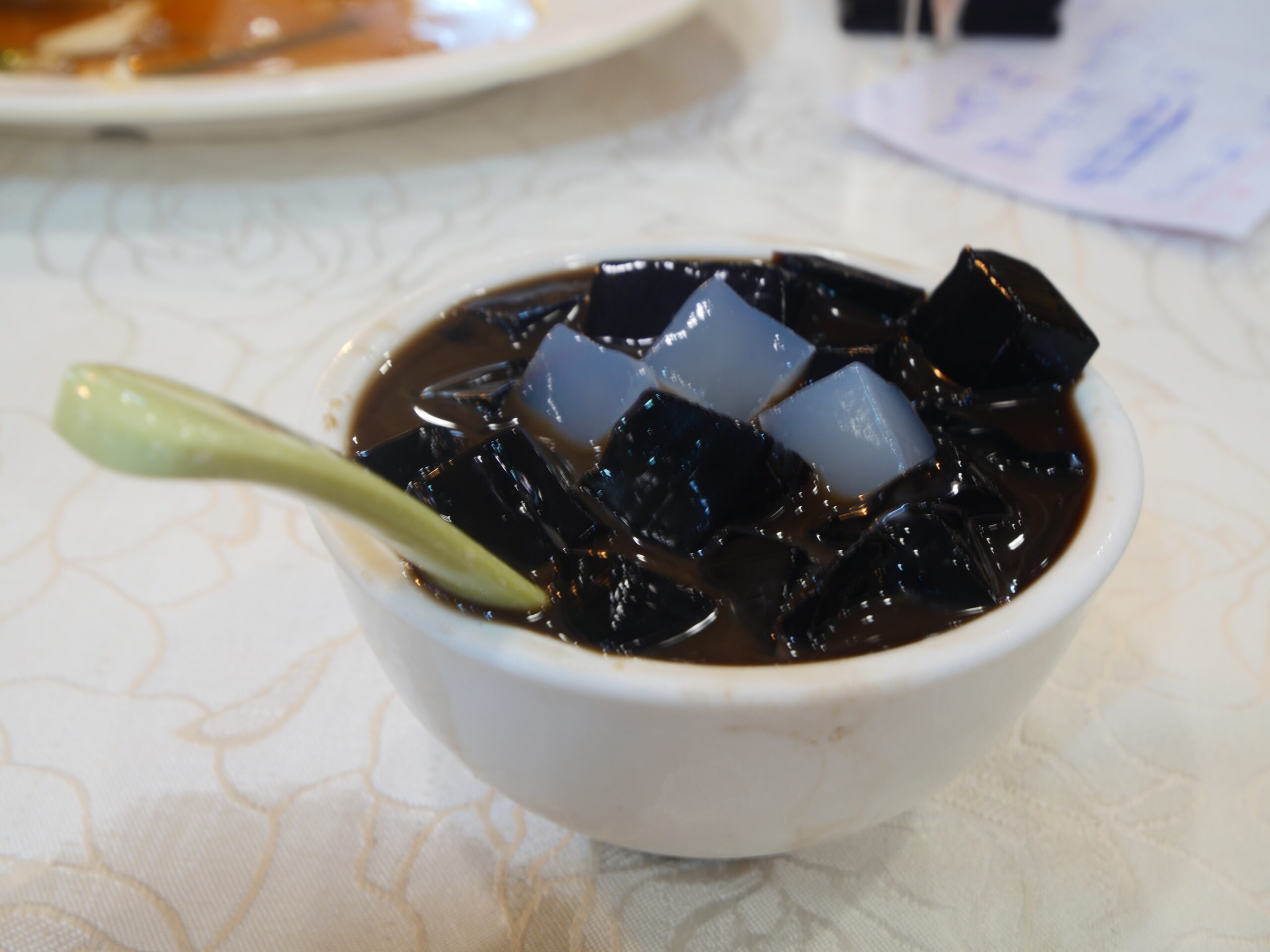
In the vibrant food culture of Singapore, where desserts are a fusion of taste and tradition, the herbal jelly bowl has become an understated yet essential companion for sweet connoisseurs. Whether you’re enjoying grass jelly on a humid day or preparing a dessert for takeaway, the right container ensures the flavours, texture, and presentation are preserved.
But what makes the humble plastic herbal jelly bowl a key player in Singapore’s dessert scene? This article delves into its role, practical advantages, and environmental considerations, revealing how this simple container supports a multimillion-dollar dessert industry.
Why the Herbal Jelly Bowl is Indispensable
Singaporeans consume an impressive variety of desserts, and herbal jelly is a firm favourite. With its cooling properties and subtle sweetness, herbal jelly caters to both traditional palates and modern health-conscious consumers. In 2023 alone, Singapore’s dessert industry was valued at over SGD 300 million, reflecting its centrality in the nation’s food culture.
The herbal jelly bowl plays a crucial role in:
- Preserving Freshness: Airtight lids protect the dessert from contamination.
- Convenience: Lightweight and portable, perfect for takeaway orders.
- Portion Control: Standardised sizes ensure consistent servings for customers and businesses alike.
Without the herbal jelly bowl, the dessert experience would be far less convenient and enjoyable.
Features That Make the Herbal Jelly Bowl a Must-Have
Plastic herbal jelly bowls may seem mundane, but they are meticulously designed to cater to both consumers and businesses. Key features include:
1. Durable Material
- Made from food-grade plastic, these bowls are designed to withstand refrigeration and handling during transport.
- They are resistant to cracking, ensuring your dessert stays intact.
2. Airtight Lids
- Lids with secure seals keep desserts fresh for longer by preventing exposure to air and moisture.
- Perfect for storing in Singapore’s humid climate.
3. Stackable Design
- Bowls are often stackable, saving space during storage or transport.
- Essential for businesses handling bulk orders.
4. Customisation Options
- Businesses can add logos or branding to bowls, turning them into a marketing tool.
- Customised sizes and shapes cater to unique customer preferences.
Environmental Concerns and Sustainable Alternatives
While plastic herbal jelly bowls are widely used, their environmental impact cannot be ignored. Singapore generates approximately 900,000 tonnes of plastic waste annually, of which only 4% is recycled. Single-use containers, including dessert bowls, contribute significantly to this figure.
How to Reduce Plastic Waste Without Compromising Utility
- Opt for Recyclable Materials: Choose bowls made from recyclable plastics.
- Biodegradable Options: Some businesses are adopting biodegradable containers made from plant-based materials.
- Reusable Containers: Encourage customers to bring their own reusable bowls.
By adopting sustainable practices, businesses can align with Singapore’s Zero Waste Masterplan, which aims to reduce waste sent to landfills by 30% by 2030.
The Business Case for Herbal Jelly Bowls
For food vendors, choosing the right container can significantly impact customer satisfaction and operational efficiency.
Benefits for Dessert Vendors
- Increased Brand Loyalty: High-quality containers enhance the dining experience, encouraging repeat business.
- Cost Savings: Bulk purchases of standardised bowls reduce packaging costs.
- Compliance with Food Safety Standards: Using food-grade materials ensures compliance with Singapore’s strict hygiene regulations.
Consumer Insights
A recent survey revealed that 78% of Singaporeans value packaging quality when purchasing takeaway food. This shows that the herbal jelly bowl is more than just a container—it’s part of the customer experience.
Choosing the Right Herbal Jelly Bowl
When selecting bowls for your herbal jelly, consider these factors:
- Material: Ensure the plastic is BPA-free and food-grade.
- Size: Choose sizes that align with your portioning needs.
- Lid Design: Look for secure lids to prevent spillage during transport.
- Supplier Reliability: Partner with trusted suppliers who can deliver consistent quality.
The Future of Herbal Jelly Bowls in Singapore
As consumer preferences shift towards sustainability, the market for eco-friendly packaging is expected to grow. Innovations in material science may soon offer durable, compostable alternatives that maintain the affordability and utility of plastic herbal jelly bowls.
Singapore’s government and private sector initiatives, such as the adoption of the National Environment Agency’s guidelines on sustainable packaging, are paving the way for a greener future. Businesses that adapt to these changes early stand to gain a competitive edge.
Tips for Consumers
For dessert enthusiasts, here’s how you can make your herbal jelly experience more sustainable:
- Reuse Containers: Clean and reuse plastic bowls for home storage.
- Support Eco-Friendly Vendors: Choose businesses that offer biodegradable or reusable packaging.
- Recycle Properly: Dispose of plastic bowls in designated recycling bins to reduce waste.
Conclusion
The herbal jelly bowl may seem like an ordinary plastic container, but its role in Singapore’s dessert culture is anything but mundane. From preserving freshness to supporting sustainability efforts, this simple yet effective tool ensures that herbal jelly lovers can enjoy their treats with convenience and care. As businesses and consumers alike work towards greener solutions, the herbal jelly bowl will remain an indispensable part of our culinary experience.
Read more about our “Food” category.