


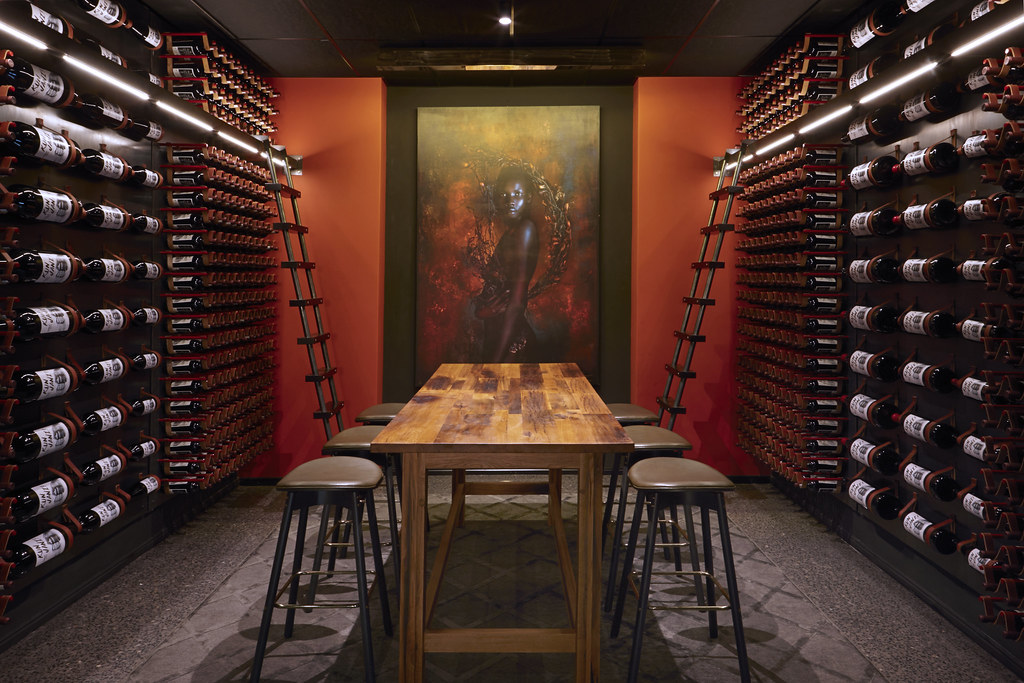
Designing a personalized space for wine preservation and display requires thoughtful planning, material selection, and structural preparation. From small dedicated closets to expansive basement rooms, several factors influence the investment required for a functional and aesthetically pleasing wine storage area. Understanding the elements involved can help guide expectations and ensure alignment with your goals.
Planning and Preparation
Creating custom wine cellar designs begins with identifying the intended space and making necessary modifications. Whether converting an existing room or starting from scratch, proper insulation, vapor barriers, and layout planning are essential. These elements ensure optimal conditions for long-term storage, impacting both durability and energy use. Room size, bottle capacity, and location all influence preparation steps such as moisture control and flooring adjustments. Spaces located below ground often require different structural considerations than those above ground.
Materials and Construction Details
Materials used in construction contribute significantly to overall project costs. Choices include hardwoods, glass, stone, and metal, each with varying prices depending on finish, origin, and craftsmanship. Racking systems, doors, and ceiling features add to this total, with handcrafted components typically increasing the investment. Flooring is another critical element. Options like tile, cork, or sealed concrete not only affect appearance but also moisture resistance. Lighting fixtures and decorative features may enhance ambiance, but their type and installation method can also shift the budget.
Climate and Cooling Systems
Temperature and humidity management are essential for maintaining wine quality. The cost of climate systems depends on cellar size, insulation level, and ambient conditions. Options range from self-contained units to split systems and ducted configurations. Energy usage and maintenance requirements should also be factored into the decision. Systems must maintain consistent temperatures while operating quietly and efficiently. Selecting the right configuration early in the design process ensures seamless integration with the rest of the space.
Custom Features and Finishing Touches
Personal preferences strongly affect the final cost. Some homeowners choose custom labels, integrated tasting areas, or display lighting to enhance the environment. These design elements often require tailored cabinetry, specialized shelving, or advanced lighting solutions. Security, automation, and remote monitoring are additional enhancements that contribute to the experience. Incorporating these technologies into the initial blueprint can help minimize future adjustments while enhancing convenience and value.
Location and Accessibility
The physical location of the home can influence construction costs due to labor rates, permit requirements, and availability of materials. Accessibility to the intended space also plays a role, especially if structural modifications are needed. Areas with limited entry points may require extra effort to transport supplies and install components. In multilevel homes, elevator access or staircase reinforcement may be necessary when materials are particularly heavy or fragile. Factoring in delivery and handling costs at the outset helps maintain accurate expectations.
Importance of Hiring a Company That Creates Custom Wine Cellars
Working with professionals who specialize in building custom wine cellars brings multiple benefits. These companies understand the technical aspects of temperature control, storage conditions, and spatial efficiency. They also help ensure compliance with building codes, which vary based on region and design complexity. A specialist brings knowledge that supports both the engineering and aesthetic sides of the project. Their experience with various layouts and materials often leads to practical design suggestions. Hiring an expert also streamlines the timeline by coordinating subcontractors and resolving site-specific challenges with minimal delays.
Creating custom wine cellar spaces is both a technical and creative undertaking. From architectural layout to personalized design features, every decision contributes to the final investment. By understanding what drives the cost and working with experienced professionals, homeowners can achieve a functional, lasting, and visually cohesive result tailored to their needs.