



What is a bond in court? A bond in court, often called bail, is a legal mechanism that allows a defendant to be released from custody while ensuring they return for all scheduled court proceedings. In simple terms, a bond is a financial guarantee to the court; it can be in the form of cash, property, or a surety arranged through a licensed bail bondsman.
The purpose of a court bond is to balance the defendant’s right to freedom with the court’s need to maintain order, enforce justice, and protect public safety. The court determines the bond amount based on several factors, including the seriousness of the alleged crime, the defendant’s criminal history, flight risk, and potential threat to the community.
Once posted, the bond permits the defendant to continue daily life while awaiting trial, but failure to comply with court requirements can result in bond forfeiture, additional legal penalties, and financial liability for co-signers. In essence, a bond in court serves as both a legal safeguard and a pathway to temporary liberty.
| Topic | Details |
| What Is a Bond in Court? | A bond in court, or bail, is a financial guarantee allowing a defendant to be released from custody while ensuring court appearances. |
| Purpose | Balances defendant’s right to freedom with the court’s need to maintain order, enforce justice, and protect public safety. |
| Types of Bonds | Cash Bond: Paid in full upfront. Surety Bond: Through a bail bondsman. Property Bond: Collateral like real estate. Personal Recognizance (PR) Bond: Release based on promise to appear. |
| Process | 1. Arrest & Booking 2. Setting the Bond 3. Posting the Bond 4. Release with conditions 5. Court Appearance. |
| Factors Affecting Bond | Crime severity, flight risk, criminal history, and public safety concerns. |
| Conditions Attached | Court check-ins, travel restrictions, drug/alcohol testing, no contact with victims, and electronic monitoring. |
| Consequences of Non-Appearance | Bond forfeiture, bench warrant, additional charges, and financial responsibility for co-signers. |
| Tips for Handling a Bond | Understand obligations, use a reputable bondsman, keep records, attend all court dates, and consult an attorney. |
What Is a Bond in Court?

What is a bond in court? A bond in court is a financial guarantee that a defendant provides to the court to ensure their appearance at all scheduled hearings and proceedings. Essentially, it acts as a promise that the defendant will comply with the legal process after being released from custody.
When authorities arrest someone, the judge may set a bond, also called bail, considering factors such as the severity of the alleged crime, the defendant’s criminal history, risk of fleeing, and potential threat to public safety. By posting a bond, the defendant, or a representative such as a family member or a bail bondsman, can secure temporary release from jail while awaiting trial.
However, if the defendant fails to appear, the bond is forfeited, additional legal consequences may arise, and co-signers of surety bonds may also become financially liable. In short, a bond in court serves as both a legal and financial mechanism to balance the defendant’s right to freedom before trial with the court’s need to ensure compliance and protect public safety.
Why Are Bonds Used in Court?
Bonds are a critical part of the criminal justice system for several reasons:
- Ensures Court Appearance: By placing financial responsibility on the defendant or a guarantor, the court reduces the risk of the defendant fleeing.
- Protects the Defendant’s Rights: Bonds allow individuals to remain free, maintain employment, and prepare their defense rather than spending extended time in jail.
- Balances Justice and Public Safety: Courts may impose certain conditions alongside bonds to protect victims and the community.
Types of Court Bonds

Bonds in court can take several forms depending on the case, severity of charges, and jurisdiction. Here are the most common types:
1. Cash Bond
A cash bond requires the defendant or a representative to pay the full bond amount in cash. Once the trial concludes and the defendant has complied with court rules, the money is typically returned.
Pros: Simple and straightforward; no third-party involvement.
Cons: Requires upfront cash, which can be a barrier for many defendants.
2. Surety Bond (Bail Bond)
The defendant or their representative obtains a surety bond through a bail bondsman or bonding agency, which posts the full bond amount on their behalf for a non-refundable fee, usually 10–15% of the total bond.
Pros: Allows release even if the defendant cannot pay the full bond.
Cons: The fee is non-refundable, and the defendant or co-signer may be responsible if they fail to appear.
3. Property Bond
A property bond allows the defendant or a guarantor to pledge real estate or other valuable assets as collateral for the bond amount. If the defendant fails to appear, the court may seize the property.
Pros: Useful if cash is unavailable.
Cons: Risk of losing property if the defendant skips court.
4. Personal Recognizance (PR) Bond
A personal recognizance bond, also called an OR (Own Recognizance) bond, allows the court to release the defendant without requiring payment, relying solely on the defendant’s promise to appear in court.
Pros: No financial burden on the defendant.
Cons: Only granted to those deemed low-risk; failure to appear results in arrest.
How Does a Bond Work?

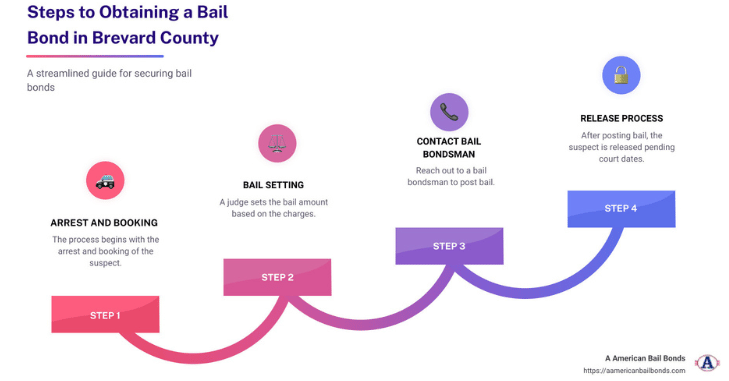
| Step | Description | Key Details |
| 1. Arrest and Booking | Defendant is taken into custody | Processed at the jail, personal information, fingerprints, and mugshots are recorded |
| 2. Setting the Bond | The judge or magistrate determines the bond amount | Factors include the severity of the offense, flight risk, and criminal history |
| 3. Posting the Bond | Bond is posted by the defendant, family, or bondsman | Can be cash, property, or surety bond, depending on type and amount |
| 4. Release | Defendant is released from custody | Conditions may include check-ins, travel restrictions, or electronic monitoring |
| 5. Court Appearance | Defendant must attend all hearings | Failure to appear can lead to bond forfeiture, arrest warrants, and additional charges |
Factors Affecting Bond Amount

Several factors play a critical role in determining the amount of a court bond. The severity of the crime is a primary consideration, with violent felonies generally resulting in higher bond amounts compared to minor misdemeanors.
Courts also assess the defendant’s flight risk and often assign higher bonds to individuals with limited ties to the area or a prior history of failing to appear to ensure they return for proceedings.
Criminal history is another important factor, as repeat offenders or those with pending charges may face increased bond amounts. Finally, the court considers public safety concerns, especially in cases involving violent or high-risk behavior, and may set higher bonds to protect the community while the defendant awaits trial.
Conditions Attached to Bonds
A bond is not just about money; it often comes with conditions to ensure compliance:
- Regular court check-ins
- Travel restrictions (no leaving the state)
- Drug or alcohol testing
- Avoiding contact with victims or witnesses
- Electronic monitoring or GPS tracking
- Failure to follow these conditions may lead to bond revocation, jail time, or additional charges.
Key Takeaways

- Bonds are financial guarantees to secure court appearances.
- Types include cash, surety, property, personal recognizance, and citation release.
- Bond amounts depend on crime severity, flight risk, criminal history, and public safety.
- Conditions often accompany bonds and must be strictly followed.
- Failing to comply can result in forfeiture, arrest, or additional charges.
Consequences of Failing to Appear
If the defendant fails to appear in court, the consequences can be serious and immediate. The court typically forfeits the bond and retains the money or collateral that the defendant or guarantor posted to secure release. In addition, the court may issue a bench warrant for the defendant’s arrest, compelling law enforcement to take them back into custody.
Prosecutors may file additional charges, such as contempt of court, which can further complicate the defendant’s legal situation beyond the financial and legal repercussions. For surety bonds, co-signers who guaranteed the bond can also become financially responsible, putting their assets at risk if the defendant does not comply with court requirements.
Tips for Handling a Court Bond
- Understand Your Obligations: Know all conditions attached to your bond to avoid revocation.
- Choose a Reputable Bondsman: If using a surety bond, select a licensed and trustworthy bail agent.
- Keep Records: Maintain receipts and documentation of bond payments.
- Attend Every Court Date: Missing a court appearance can have serious financial and legal consequences.
- Consult an Attorney: Legal guidance helps navigate complex bond procedures and protect your rights.
Conclusion
What is a bond in court? A bond in court is a critical legal tool designed to balance a defendant’s right to freedom with the court’s need to ensure appearances at hearings. Whether through cash, property, surety, or personal recognizance, bonds provide a pathway for defendants to remain free while awaiting trial.
Anyone involved in the criminal justice system must understand the types of bonds, how they work, and the responsibilities they entail. Properly managing a bond can save money, prevent legal complications, and ensure compliance with the law.
Want to know about Traffic Court Lawyer: Expert Legal Representation, Defense Strategies, and Long-Term Protection Against Traffic Violations, DUI, and License Penalties Check out our Law category.
FAQs
A bond in court, also called bail, is a financial guarantee provided by a defendant to secure temporary release from custody while ensuring they appear at all scheduled court proceedings. It can be in the form of cash, property, or a surety arranged through a licensed bail bondsman.
Courts use bonds to balance a defendant’s right to freedom with public safety and the justice process. Bonds help ensure that defendants return for hearings, prevent flight risk, and may include conditions to protect victims and the community.
Common types include cash bonds (paid in full), surety bonds (through a bail bondsman for a fee), property bonds (using collateral like real estate), and personal recognizance bonds (release based on a promise to appear). Each type has advantages and potential risks.
If the defendant misses a court date, the court can forfeit the bond, issue a bench warrant for their arrest, file additional charges such as contempt of court, and hold co-signers of surety bonds financially responsible.