


Introduction
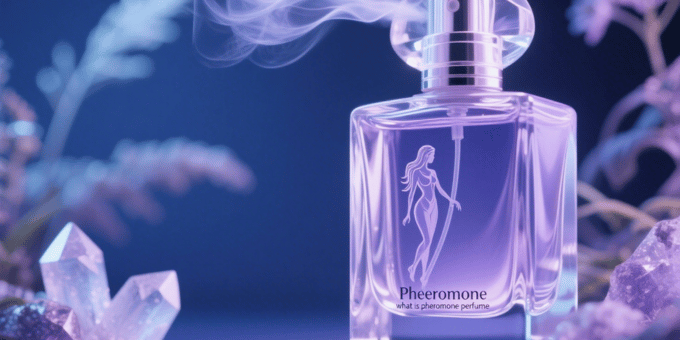
Have you ever walked past someone and felt inexplicably drawn to their scent? Like an invisible thread pulling you in, their fragrance lingers in the air, creating a magnetic pull you can’t quite explain. It might not be just your imagination—they could be wearing pheromone perfume.
But what exactly is pheromone perfume, and does it truly hold the power to attract others like a mystical love potion straight out of a fantasy novel? In the animal kingdom, pheromones play a major role in mating rituals, territorial claims, and establishing dominance.
Insects, for example, are masters of pheromonal communication; ants leave scent trails, while moths attract mates from miles away. Let’s explore the science, speculation, and everything in between behind this captivating and controversial trend.
Here’s a comprehensive table summarizing key information about pheromone perfume in a clear and organized format:
| Aspect | Details |
|---|---|
| Definition | A type of fragrance infused with synthetic or natural pheromones, designed to mimic the body’s chemical signals to influence social behavior. |
| Purpose | To enhance personal attractiveness, increase social confidence, and potentially influence romantic or social interactions. |
| Common Pheromones Used | – Androstenone (dominance/masculinity) – Androstenol (youth/social appeal) – Copulins (female attraction) – Estratetraenol (female-specific cues) |
| Target Users | Both men and women; often available as unisex, gender-specific, or orientation-specific formulations. |
| Application Areas | Pulse points such as wrists, neck, behind ears, and inner elbows. |
| Duration | Typically lasts 4–8 hours, depending on skin type, formula, and environmental factors. |
| Scientific Backing | Limited; some studies suggest mild behavioral effects, but overall results are inconclusive and often debated. |
| Psychological Impact | May boost self-confidence and mood, enhancing perceived attractiveness through the placebo effect. |
| Scent Profile | Available in both scented and unscented versions; can be worn alone or layered with regular perfumes. |
| Safety | Generally safe; should be patch-tested before use to avoid allergic reactions. |
| Ethical Considerations | Ensure ingredients are ethically sourced; some rare animal-derived pheromones may raise ethical concerns. |
| Popular Uses | Dating, social events, confidence boosting, and first impressions. |
The Basics: What Are Pheromones?
Pheromones are chemical substances produced and released by animals—and yes, humans too—that trigger social or biological responses in others of the same species. Think of them as nature’s chemical language, silently whispering messages like, “I’m available,” “Back off,” or “Let’s connect.”
In humans, the science is a bit fuzzier. While researchers have discovered potential human pheromones, such as androstadienone and estratetraenol, the extent of their influence is still hotly debated. Unlike animals, human behavior is shaped by a complex mix of social, psychological, and environmental factors, making it harder to isolate pheromones as a sole cause of attraction or mood changes.
What Is Pheromone Perfume?
Pheromone perfume is a type of fragrance that includes either synthetic or natural pheromones. These compounds are added to traditional perfumes or used on their own in an unscented formula. The idea is to simulate or amplify the body’s natural chemical signals, subtly influencing how others perceive you.
Marketers often describe these perfumes as magic in a bottle. They promise to make you more desirable, confident, and socially magnetic. Many are sold as unisex fragrances, although some are tailored to enhance attraction from the opposite sex. Some brands even customize pheromone blends based on your gender, sexual orientation, or hormonal profile.
Whether you’re heading out on a date, a job interview, or just want to make a strong impression, pheromone perfumes are marketed as a way to subtly enhance your presence without saying a word.
Types of Pheromones Commonly Used
- Androstenone: Found predominantly in male sweat, it is associated with dominance, masculinity, and sexual attraction. It can be polarizing—some find it alluring, others off-putting.
- Androstenol: Offers a fresher, cleaner scent and is thought to signal youthfulness and approachability. Often used to make someone seem more sociable.
- Copulins: Secreted naturally by women, these pheromones are believed to increase male testosterone levels and heighten attraction.
- Estratetraenol: A steroid found in female urine, sometimes included in formulations aimed at influencing male perception.
Do They Actually Work?
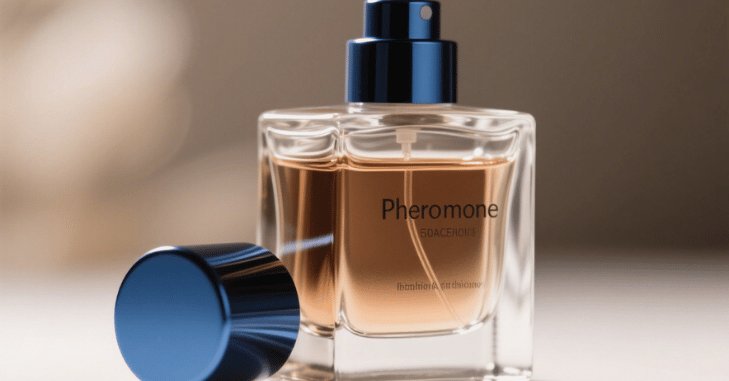
This is the million-dollar question. While some small-scale studies have indicated that pheromones can influence human behavior and perceptions, the scientific community remains divided. There’s no consensus on how significant their effects are or whether they’re noticeable enough to sway someone’s attraction.
One study found that men wearing pheromones were more likely to receive positive social attention from women. Another suggested that certain pheromones might subtly alter mood or communication patterns. However, critics argue that these studies often have small sample sizes and lack proper controls.
What many experts do agree on is the power of belief. The placebo effect plays a massive role in how these perfumes are experienced. If you believe you’re wearing something that makes you more attractive, you’re likely to stand taller, smile more, and project confidence—and confidence is undeniably attractive.
The Power of Scent and Psychology
Scent has a profound impact on human emotion and memory. Our olfactory system is directly linked to the limbic system, the brain’s center for emotion and memory. That’s why certain smells instantly transport you to childhood, remind you of someone special, or stir up deep feelings.
Even without pheromones, perfumes influence how we feel and how others perceive us. A well-chosen scent can communicate cleanliness, sophistication, or sex appeal. When you add pheromones into the mix—even if their effect is minimal—you get a layered experience that plays on both psychological and sensory levels.
People often report that wearing pheromone perfume makes them feel more desirable, which can be just as powerful as actually becoming more desirable. The scent acts as a confidence booster, helping to break the ice in social situations and create a sense of allure.
Another reason pheromone perfumes continue to gain popularity is their ability to blend science with personal expression. Unlike traditional fragrances that mainly focus on scent appeal, pheromone-based perfumes offer users the feeling of wearing something more purposeful and intriguing. This combination of mystery, confidence, and individuality can make social interactions feel more exciting, whether in romantic settings, professional environments, or casual everyday encounters.
Are They Safe to Use?
Yes, most commercially available pheromone perfumes are completely safe for use. They’re formulated with cosmetic-grade ingredients and are subjected to testing for skin sensitivity and safety. However, as with any fragrance or skincare product, it’s important to conduct a patch test, especially if you have sensitive skin or allergies.
Always read the ingredient list and follow the instructions provided by the manufacturer. If a product claims to contain exotic or rare animal-based ingredients, proceed with caution and consider ethical sourcing.
How to Apply Pheromone Perfume for Best Results?
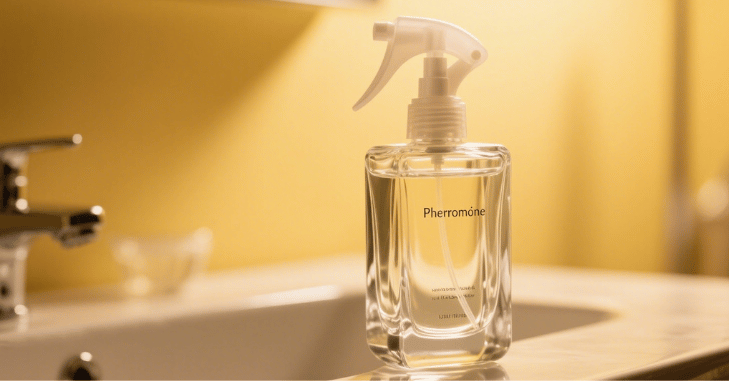
Using pheromone perfume isn’t all that different from applying a regular fragrance, but a few tips can help you get the most out of your experience:
- Apply to pulse points: Areas like the wrists, neck, behind the ears, and inner elbows radiate heat, which helps to diffuse the scent throughout the day.
- Don’t overdo it: A subtle hint is more effective than an overpowering cloud. One or two spritzes are usually enough.
- Layer wisely: If your pheromone perfume is unscented, consider layering it beneath your favorite scented perfume or cologne for a personalized blend.
- Reapply as needed: Like all fragrances, pheromone perfumes can wear off after a few hours. Carry a travel-size bottle if you want to refresh throughout the day.
Conclusion
So, what’s the bottom line? Pheromone perfume might not be a magical elixir that guarantees love at first sight, but it taps into a fascinating blend of biology, psychology, and sensory influence. Even if the scientific backing isn’t rock-solid, the anecdotal reports are hard to ignore.
Whether the allure is purely chemical or partially psychological, the end result is often the same: users feel more attractive, more confident, and more in control of their social interactions. And sometimes, that little boost is all you need to make a lasting impression.
If you’re curious, there’s no harm in trying one. Worst-case scenario? You’ll smell fantastic. Best case? You might just turn a few heads.
Apart from that, if you are interested to know about “Unveiling the Best Perfumes for Women: Trends and Timeless Classics, Layering, Seasonal and Much More” then visit our “Fashion” category.
FAQs
Pheromone perfume is a fragrance that includes synthetic or natural pheromones—chemical compounds that are thought to influence social or sexual behavior, especially attraction.
Pheromone perfumes are designed to mimic the natural chemical signals your body produces. These signals may be detected subconsciously by others and can potentially influence feelings of attraction or comfort.
The science behind pheromones and human attraction is still debated. While some studies suggest pheromones can influence behavior, results vary, and there’s no universal proof that pheromone perfumes consistently work for everyone.
Pheromone perfumes typically last 4–8 hours, depending on the formula, skin type, and activity level. Reapplication may be needed for stronger or longer-lasting effects.
Apply it to pulse points like the neck, wrists, and behind the ears. These areas emit heat, which helps release both the fragrance and pheromones into the air.