


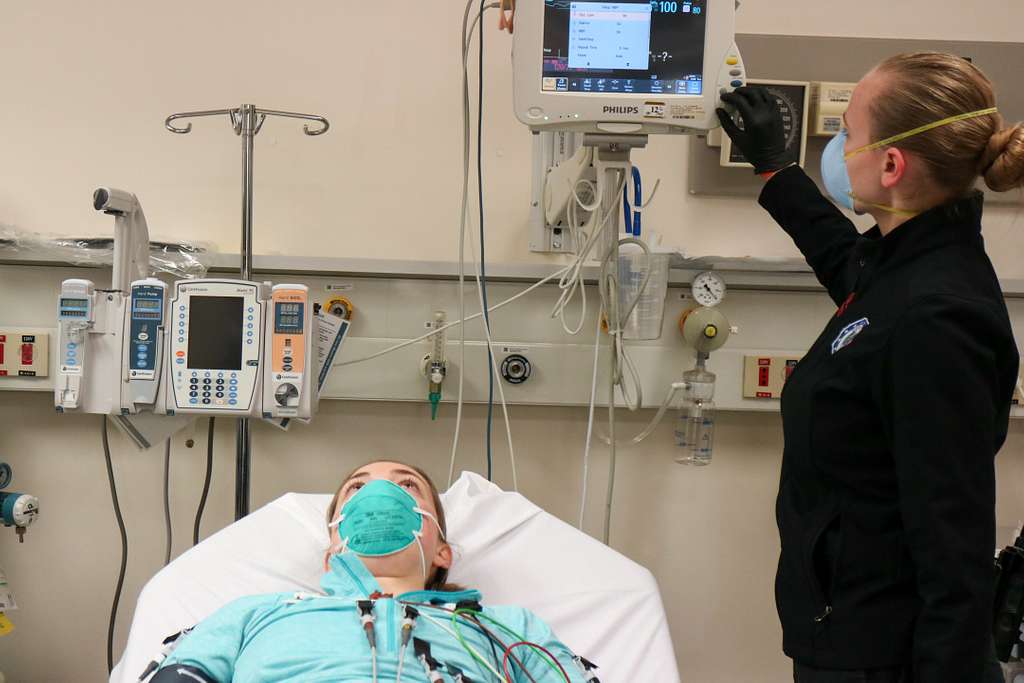
Emergency medicine is one of the most demanding and rewarding fields in healthcare. Candidates pursuing emergency room jobs know that competition can be intense, and recruiters are tasked with identifying individuals who can thrive in high-pressure, unpredictable environments. But what exactly are recruiters looking for when they review resumes, conduct interviews, and make hiring recommendations?
From clinical expertise to interpersonal skills, there are qualities that consistently stand out to hiring teams. Understanding these expectations can help candidates refine their applications and prepare themselves to succeed in interviews and beyond.
Clinical Competence and Specialized Training
Strong Educational Background
Recruiters begin with the basics—education and training. A degree from an accredited medical school, successful completion of an emergency medicine residency, and board certification demonstrate the foundation of competence.
Relevant Certifications
Emergency departments require professionals who can act quickly and effectively. Certifications such as ACLS (Advanced Cardiovascular Life Support), ATLS (Advanced Trauma Life Support), BLS (Basic Life Support), and PALS (Pediatric Advanced Life Support) are often prerequisites. Candidates who hold these credentials immediately stand out in the application process.
Evidence of Practical Experience
Recruiters look for applicants who have hands-on experience in busy ER settings. This includes rotations, fellowships, or prior work that demonstrates the ability to manage trauma cases, cardiac events, and pediatric emergencies. Clinical exposure shows readiness for the realities of emergency care.
Ability to Handle Pressure and Stress
One of the defining features of emergency medicine is its unpredictability. Recruiters need to know candidates can remain calm and effective under pressure.
- Decision-making under stress: Can you prioritize multiple critical patients at once?
- Resilience: Do you recover quickly from difficult cases and continue delivering high-quality care?
- Emotional intelligence: Can you manage your own emotions while providing reassurance to patients and families?
Examples of staying composed during chaotic situations are often discussed during interviews.
Teamwork and Collaboration Skills
Emergency medicine is never a solo effort. Recruiters prioritize candidates who can function as part of a dynamic, interdisciplinary team.
- Collaboration with nurses and paramedics: Smooth communication across roles ensures efficiency.
- Working with specialists: Emergency professionals often coordinate with cardiologists, surgeons, and psychiatrists.
- Respect for all team members: Recruiters notice whether candidates value every member of the care team, from techs to attending physicians.
Being able to demonstrate real-world examples of teamwork in fast-paced environments strengthens an application.
Strong Communication Abilities
Recruiters consistently emphasize the importance of clear, compassionate communication. Emergency medicine candidates must explain complex medical conditions quickly and in a way patients and families understand.
Additionally, strong communication with colleagues ensures accuracy in charting, handoffs, and decision-making. Miscommunication in the ER can have life-or-death consequences, so candidates with excellent communication skills are highly valued.
Adaptability and Flexibility
The unpredictable nature of emergency medicine demands flexibility. Recruiters look for candidates who can pivot when a trauma case arrives unexpectedly or when patient volumes spike without warning.
Adaptability also applies to scheduling. Emergency departments operate 24/7, and professionals often work nights, weekends, and holidays. Candidates who demonstrate willingness to adapt to these schedules are more likely to be considered strong fits.
Professionalism and Reliability
Recruiters are tasked with identifying candidates who will uphold the reputation of the organization. Professionalism is assessed in several ways:
- Appearance and demeanor during interviews
- Punctuality and reliability in prior roles
- Respect for confidentiality and ethical standards
Professionalism doesn’t just reflect how a candidate behaves in the ER—it also represents how they interact with colleagues, patients, and the broader community.
Commitment to Lifelong Learning
Emergency medicine evolves rapidly, with new technologies, medications, and best practices constantly emerging. Recruiters want candidates who demonstrate a commitment to continuous growth.
This can include:
- Attending CME (Continuing Medical Education) courses
- Participating in workshops and conferences
- Contributing to research or quality improvement projects
- Maintaining memberships in professional organizations like ACEP
Showing engagement in lifelong learning reassures recruiters that you’ll remain at the forefront of patient care.
Cultural Competency and Patient-Centered Care
Emergency rooms serve patients from diverse backgrounds. Recruiters seek candidates who show cultural awareness and respect. The ability to connect with patients regardless of age, language, culture, or socioeconomic status is crucial for delivering equitable care.
Patient-centered care also means showing empathy and compassion, even in stressful situations. Recruiters pay attention to how candidates demonstrate empathy without losing efficiency.
Leadership Potential
While not every candidate will step directly into a leadership role, recruiters often look for signs of leadership potential. Candidates who have:
- Supervised medical students or residents
- Led code teams or rapid response efforts
- Participated in hospital committees or projects
…are often seen as individuals who can grow into leadership roles over time.
Technological Proficiency
With the rise of electronic health records, telemedicine, and advanced diagnostic tools, technology plays a larger role in emergency care than ever before. Recruiters value candidates who are comfortable using these systems and who understand how technology supports faster, safer care.
Red Flags Recruiters Watch For
Just as recruiters know what they want, they also watch for warning signs that may indicate a candidate isn’t the right fit for emergency room jobs. These include:
- Gaps in employment without explanation
- Lack of relevant certifications
- Poor communication skills during interviews
- Limited teamwork experience
- Negative references from previous employers
Being proactive in addressing any potential concerns in your resume or interview can help reduce doubts.
How to Strengthen Your Application
If you’re preparing to apply for positions in emergency medicine, here are a few steps to make your application more competitive:
- Tailor your resume: Highlight relevant ER experience, certifications, and measurable achievements.
- Write a strong cover letter: Share why you’re passionate about emergency medicine and how your skills align with the role.
- Prepare for scenario-based interviews: Be ready to discuss how you would handle high-pressure clinical situations.
- Secure strong references: Choose supervisors who can speak to your clinical skills, professionalism, and teamwork.
- Stay active in professional development: Engage with organizations, research, and additional training opportunities.
Final Thoughts: Standing Out to Recruiters
Recruiters evaluating candidates for emergency room jobs are looking for more than just medical knowledge. They want professionals who bring a blend of technical expertise, adaptability, teamwork, and compassion to the table. By emphasizing your certifications, demonstrating strong communication, and showing resilience under pressure, you can position yourself as a top candidate in this highly competitive field.
Emergency medicine offers unique challenges and immense rewards. By understanding what recruiters value most, you can craft stronger applications, prepare for interviews with confidence, and take the next step in building a successful career in this essential specialty.
Apart from that, if you want to know more about Top Cosmetic Dental Treatments in Thailand in 2025 then visit our Health category.