


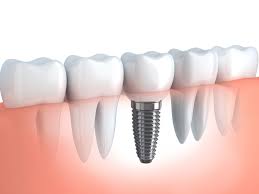
Restoring dentures and dental implants can be daunting for many. At what point should you consider replacing or repairing them? Understanding the signs and knowing when intervention is necessary are both crucial to maintain a healthy, functional smile.
Hence, first, it is important to assess the damage or discomfort you might be experiencing regularly. Are your dentures becoming loose, or are your implants causing discomfort? Often, small issues go unnoticed but can grow into significant problems if left unaddressed, which can lead to more complex treatments later on. In such cases, one needs to restore dentures and implants early to prevent further complications and ensure optimal oral health.
1. Frequent Discomfort and Pain
One of the most noticeable signs that restoration is necessary is persistent pain or discomfort. If dentures no longer fit comfortably or dental implants are causing constant irritation, it is time to repair or replace them. Over time, dentures can lose their shape, or implants may shift, resulting in soreness.
In dental implants, the discomfort can occur due to infection, misalignment, or the failure of the supporting bone structure. Similarly, worn-out dentures can cause gum irritation or sores. This pain can interfere with eating, speaking, or simply going about daily activities, making it important to seek restoration.
2. Causing Problems When Chewing and Speaking
Another key indicator is when dentures or implants no longer allow for normal chewing and speaking. For implants, this could signify that the structure has loosened or that there is bone loss around the implant. When dentures are ill-fitting, they can slip, causing difficulty while chewing food or making it challenging to pronounce words clearly. This issue often worsens with time, and neglecting it may affect overall nutrition or even communication. If you find yourself frequently adjusting your dentures or avoiding certain foods because of discomfort, restore dentures and implants to regain proper functionality.
3. Wear and Tear That Is Visible
Visible signs of wear and tear are an obvious reason to consider restoring your dentures or implants. For dentures, the material may start to show cracks, chips, or discoloration, which not only affects their appearance but also their effectiveness. In the case of implants, the visible signs could include corrosion or damage to the crown. Wear and tear often results from prolonged use or exposure to stress, but it can also be caused by bad maintenance or negligence. The material that makes up the dentures or implants may degrade over time, leading to further issues if ignored.
4. Difficulty Maintaining Oral Hygiene
A common but overlooked reason for restoration is the difficulty in maintaining oral hygiene with worn-out dentures or implants. If your dentures no longer fit securely, food particles may become trapped, making it harder to clean them thoroughly. This can lead to a buildup of plaque, bacteria, or even gum infections. Dental implants also require proper cleaning to prevent gum disease or peri-implantitis, which can cause further complications.
5. Changes in Facial Aesthetics
Your dental work also plays a crucial role in supporting the structure of your face. Over time, worn-out dentures can result in changes to the contours of your face, making it appear sunken or less youthful. Dental implants that are no longer functional may fail to provide the necessary support for your facial muscles.
Hence, restoring dentures and dental implants is essential for maintaining both oral health and overall quality of life. If you notice pain, discomfort, visible damage, or a decline in function, it is time to consult with a dental professional. Addressing these issues promptly ensures your dental work continues to support your smile for many years.
Want to know about ‘Dental Treatments in Thailand in 2025‘ Check out our’ Health‘ category.