


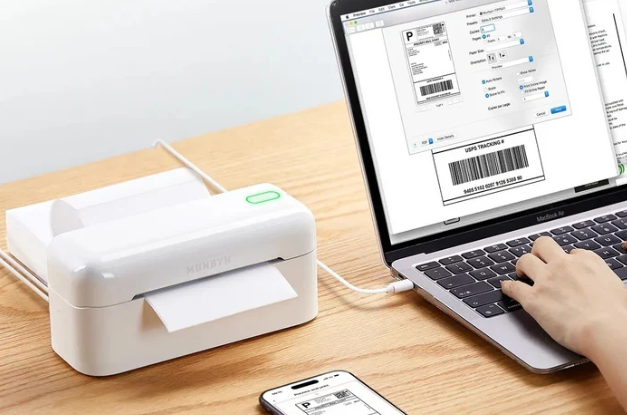
In today’s world of hybrid work environments, small businesses, and side hustles, keeping things organized is more than a nice idea—it’s essential. Whether you’re managing inventory in a warehouse, running a small business from your kitchen table, or just trying to streamline your home office, one tool often overlooked can be a real game-changer: the MUNBYN thermal label printer.
Labels may seem like a small detail, but they carry a big load when it comes to efficiency. From shipping orders to organizing storage, printed labels help ensure that everything ends up where it’s supposed to be. With the right label printer, you can eliminate confusion, speed up tasks, and even improve your professional image. So what makes a thermal label printer stand out, and why are more people turning to them for both business and personal use?
What Is a Thermal Label Printer?
Unlike traditional inkjet or laser printers, a thermal label printer uses heat to print on specially coated paper. There’s no ink, toner, or ribbon involved—just thermal paper and heat. This results in faster printing speeds, lower maintenance, and fewer supply refills.
The term “thermal” might make the technology sound high-tech or complicated, but it’s quite simple and user-friendly. These printers are designed for specific tasks like printing shipping labels, barcodes, name tags, file labels, and more. That focus on a single purpose makes them extremely efficient and reliable.
Why Use a Label Printer Instead of a Regular Printer?
The first big advantage is convenience. If you’ve ever tried printing labels on a standard printer, you know the hassle: adjusting the margins, aligning the label sheet perfectly, and hoping it doesn’t jam or print off-center. A dedicated label printer eliminates those problems.
Then there’s the speed. A thermal label printer can print hundreds of labels in minutes, crucial for businesses with shipping needs or inventory tasks. Even for casual users, saving time on repetitive printing jobs is a welcome relief.
Third, and perhaps most importantly, there’s the issue of durability. Thermal-printed labels are crisp, clear, and resistant to smudging. This is key when you need barcodes to scan reliably or addresses to remain readable through shipping and handling.
Real-World Uses for Thermal Label Printers
The versatility of these devices makes them useful in more places than you might expect:
1. Shipping and E-commerce
For anyone running an online store or mailing packages regularly, a thermal label printer becomes essential. It simplifies the task of printing shipping labels that meet carrier standards, including barcode clarity and label size.
2. Inventory Management
Warehouses, small stockrooms, and even home storage benefit from properly labeled shelves, bins, and boxes. Barcode labels help streamline tracking and reduce the risk of errors.
3. Office Organization
Filing cabinets, folders, cables, and even office supplies can be quickly identified with clear labels. This cuts down on wasted time spent searching for items and creates a neater, more efficient workspace.
4. Home Use
Pantries, toy bins, craft supplies, and even moving boxes can all be easily labeled. Parents often use label printers to mark school supplies, lunchboxes, and clothes to prevent mix-ups.
5. Events and Temporary Signage
From weddings to conferences, thermal printers can generate name tags, directional signs, or table labels on the spot. Quick setup and mess-free operation make them ideal for one-time or pop-up events.
Why Portability Matters
Some of the newest label printers offer wireless or Bluetooth functionality, making them highly portable. You can carry the printer wherever you’re working, whether it’s a garage, warehouse aisle, or kitchen counter. This flexibility is a big advantage when labeling on the fly or working in environments without easy access to a computer or power outlet.
Things to Consider Before Buying
Choosing the right thermal label printer depends on your needs. Here are a few key considerations:
- Label Size: Make sure the printer supports the dimensions you need, especially for shipping labels (commonly 4”x6”).
- Print Speed: If you’ll be printing high volumes, a faster model will save you considerable time.
- Software Compatibility: Some printers work seamlessly with shipping platforms or offer mobile apps for easy design and printing.
- Durability: Consider a rugged model if you’ll be using it in industrial or outdoor settings.
- Ease of Use: A user-friendly interface and straightforward setup process are especially helpful for beginners or multitaskers.
Final Thoughts
In a world that prizes speed, organization, and clarity, a label printer is a surprisingly powerful tool. The rise of the thermal label printer shows how something as simple as labeling can evolve to meet the demands of modern life—no ink, no hassle, just clean, fast, and reliable prints.
Whether you’re shipping packages, managing supplies, or simply trying to bring order to your space, this compact device can make a noticeable difference. It’s one of those tools you don’t realize you need—until you start using it.
Want to know about ‘Ender 5 S1: Full Overview About Features, Performance, Print Volume, Filament Compatibility, Upgradability, and More Info‘? Check out our ‘Tech‘ category.