


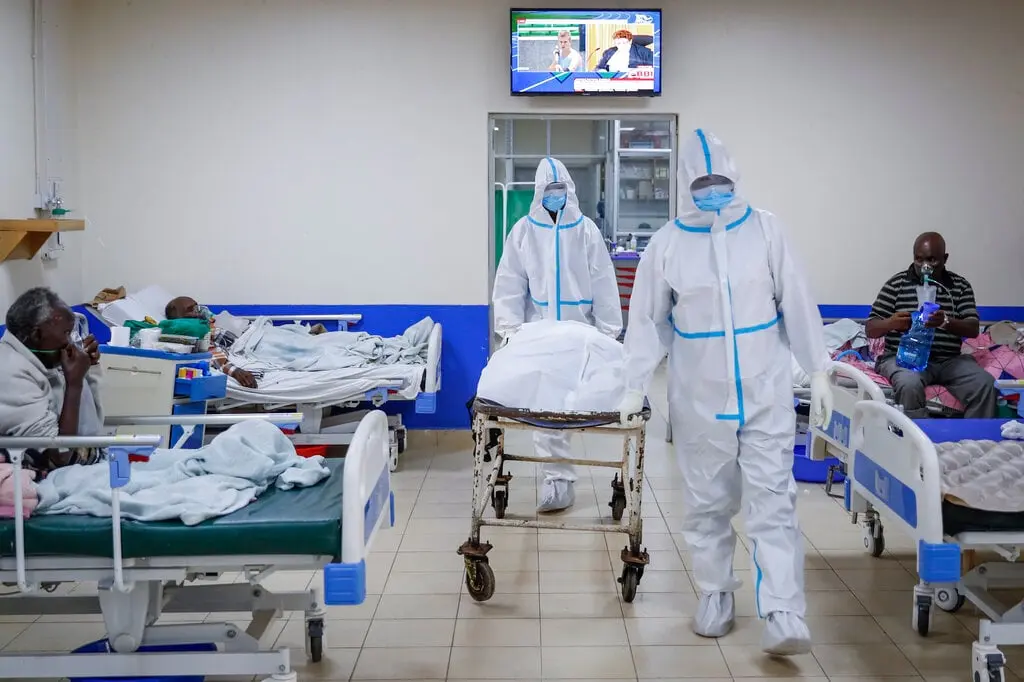
Healthcare settings demand strict hygiene measures to protect vulnerable individuals. Without proper sanitation, bacteria and viruses can spread rapidly, increasing the risk of infections. Trained specialists follow advanced protocols to reduce contamination, ensuring patients, staff, and visitors stay safe. Their expertise helps maintain a controlled environment where sanitation meets the highest industry standards.
Trained Experts Ensure Proper Sanitation
Corporate cleaning and maintenance services use specialized techniques to eliminate harmful microorganisms from every surface. They undergo rigorous training to understand contamination risks and apply industry-approved methods for reducing exposure. From sterilizing patient rooms to disinfecting shared spaces, their systematic approach helps minimize microbial threats. Strict adherence to best practices ensures consistent results, keeping healthcare spaces safe for everyone.
Targeted Disinfection for High-Use Surfaces
- Bacteria accumulate rapidly on door handles, waiting room furniture, and reception desks due to frequent contact.
- Professionals focus on these high-touch areas, applying hospital-grade disinfectants that kill harmful pathogens on contact.
- Unlike basic cleaning methods, their approach includes scheduled sanitization cycles to prevent bacteria from multiplying.
- Routine disinfection of these surfaces significantly lowers the risk of germ transmission among patients and staff.
Specialized Care for Sensitive Equipment
Medical devices such as diagnostic machines, monitors, and surgical tools require careful sanitation to avoid malfunctions. Trained specialists use non-corrosive disinfectants and precise techniques to remove contaminants without damaging delicate components. Improper handling can lead to costly repairs or inaccurate test results, making expert care essential. Their approach ensures equipment remains functional while maintaining strict hygiene standards.
Safe Disposal of Hazardous Waste
Used syringes, gloves, and contaminated materials pose serious health risks if not handled correctly. Experts follow strict protocols for sorting, storing, and disposing of biohazardous waste to prevent accidental exposure. Specialized containers and disposal methods ensure harmful substances do not spread within the facility. Proper waste management protects both staff and patients from potential infections linked to unsafe handling. Failure to follow disposal regulations can lead to contamination, legal penalties, and increased health risks for everyone in the facility.
Effective Use of Medical-Grade Solutions
Not all disinfectants eliminate dangerous bacteria and viruses effectively. Professionals use EPA-approved, hospital-grade cleaning agents that target even the most resistant pathogens. These specialized solutions undergo extensive testing to meet strict healthcare standards. Proper application ensures surfaces remain sanitized for extended periods, reducing the need for constant re-cleaning. Using the wrong cleaning agents or improper dilution ratios can leave behind harmful residues or reduce the effectiveness of disinfection efforts.
Scheduled Deep Sanitization for Long-Term Protection
- Standard cleaning routines are not enough to eliminate bacteria from hard-to-reach areas.
- Deep sanitization targets overlooked spaces such as air vents, baseboards, and storage rooms where microbes accumulate.
- Professionals use advanced equipment to remove hidden contaminants, improving overall air quality and reducing health risks.
- Routine deep cleaning enhances infection control efforts and extends the effectiveness of daily maintenance.
Strict Compliance with Health Regulations
Healthcare facilities must adhere to strict sanitation regulations to meet government and industry standards. Certified professionals stay updated on evolving guidelines, ensuring every cleaning method aligns with legal requirements. Compliance reduces the risk of penalties while maintaining a safe environment for patients and medical staff. Facilities that meet these standards also improve their reputation for safety and quality care.
A sterile healthcare environment depends on expert sanitation methods. Corporate cleaning and maintenance services apply targeted cleaning techniques to remove harmful bacteria, protect delicate equipment, and ensure proper hazardous waste disposal. Their use of advanced disinfectants and compliance with strict regulations helps maintain a safe and healthy medical setting. Without these essential services, infection risks would increase, jeopardizing patient well-being and operational safety.
Apart from that, if you are interested to know about “Mercy Home Services: Trusted End of Life Home Care Services” then visit our “Health” category.