


Health is one of those things people tend to put on the back burner until something forces them to pay attention. Work piles up, responsibilities stack on top of each other, and suddenly, years have passed without a proper check-up or a genuine effort to slow down. In Greenville, plenty of folks are starting to rethink this approach, realizing that treating health as an afterthought usually ends up costing more in the long run than it ever saves in the short term.
The thing about investing in health is that the returns aren’t always obvious right away. You won’t see a flashy payout after a week of eating better or sleeping more. But give it a few months, maybe a year, and the difference becomes hard to ignore. Energy levels pick up, moods stabilize, and the small aches that used to feel permanent start to fade. That’s the kind of return that keeps paying out for decades.
Prioritizing Self-Care as a Foundation
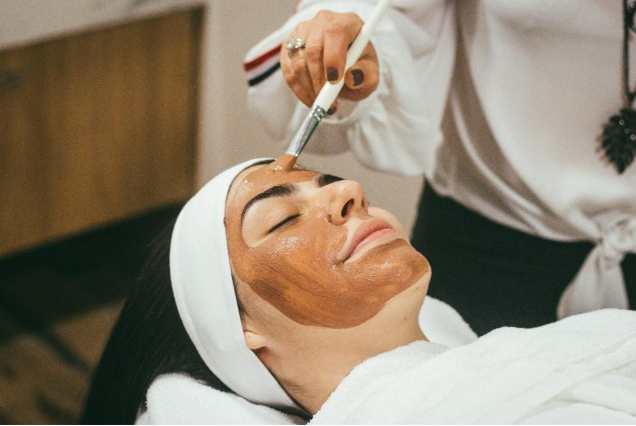
Self-care often gets treated like a luxury, something you squeeze in when there’s time left over. But when it’s built into the routine instead of tacked on at the end, it becomes one of the most reliable ways to stay well. This means actually scheduling rest, paying attention to stress before it boils over, and making space for things that recharge you. Med spas have also become a bigger part of how people approach this, offering physician-led treatments that support vitality, hormone balance, and overall well-being rather than just surface-level fixes.
If you’re also interested in exploring professional opinions and looking for a med spa Greenville has plenty of facilities that combine regenerative medicine with aesthetic care, giving people a practical way to fold deeper self-care into their broader health routine. The point isn’t indulgence. It’s recognizing that feeling good in your own skin, quite literally, contributes to the bigger picture of staying healthy for the long haul.
The Compounding Effect of Daily Habits
Small choices add up in ways that are easy to underestimate. Drinking enough water, getting outside for a walk, cutting back on late-night snacking, and going to bed at a reasonable hour. None of these sound particularly impressive on their own. But stacked together and repeated over months, they shape how the body ages, how resilient it is to illness, and how well the mind holds up under pressure.
People often look for one big fix, some dramatic overhaul that’ll turn things around overnight. The reality is much quieter. It’s the daily stuff, done consistently, that compounds into something meaningful. A decade of decent sleep looks completely different from a decade of running on empty, even if the day-to-day difference feels minor.
Preventive Care Versus Reactive Care
Waiting until something breaks before addressing it is a costly way to live. Catching issues early, whether through regular physicals, bloodwork, or just paying attention to how the body feels, tends to be far more manageable than dealing with full-blown problems later. A small concern caught in time is usually just a small concern. Ignored long enough, it becomes something much bigger.
Preventive care also offers peace of mind, which is underrated but significant. Knowing where you stand health-wise means fewer nagging worries in the back of your head. That mental clarity alone makes the effort worthwhile, never mind the physical benefits that come with staying ahead of potential issues.
Mental Health as Part of the Equation
Physical health gets most of the attention, but mental health runs right alongside it. Chronic stress, untreated anxiety, and burnout have real physical consequences. They wear down the immune system, disrupt sleep, affect digestion, and can even speed up aging at a cellular level. Treating mental wellness as optional is a mistake people often regret later.
Making time for activities that genuinely help, whether that’s therapy, journaling, spending time in nature, or simply unplugging from the noise, pays off in ways that spill into every part of life. Relationships improve. Work feels more manageable. Sleep comes easier. It all connects.
The Financial Angle
There’s no polite way around it. Poor health gets expensive. Medical bills, lost work time, medications that keep stacking up, all of it adds up fast. Investing in health on the front end, through better food, regular movement, and basic preventive appointments, usually costs a fraction of what treating serious conditions later would.
Beyond the direct costs, healthier people tend to stay productive longer, enjoy more years of independence, and have a much easier time navigating major life changes. That kind of stability is hard to put a number on, but it’s real, and it shows up again and again as the years pass.
Movement and Longevity
Exercise doesn’t have to mean intense workouts or gym memberships nobody actually uses. Walking, stretching, swimming, cycling, dancing in the living room, whatever keeps the body moving counts. The body is built to move, and when it doesn’t, things start to stiffen up and break down faster than they should.
Consistent movement supports heart health, keeps joints working, helps regulate mood, and plays a huge role in how well people age. It’s not about chasing a specific look. It’s about keeping the body capable of doing what you need it to do, whether that’s climbing stairs without thinking twice at sixty or keeping up with grandkids at seventy-five.
Nutrition Without the Fuss
Food doesn’t need to be complicated to be nourishing. Most of the advice that actually works has been around forever: eat real food, mostly plants, not too much processed stuff, and pay attention to how different things make you feel. Fad diets come and go, but the basics hold up.
Good nutrition isn’t about being perfect. It’s about tipping the balance so that most of what goes in is actually useful to the body. A meal here and there that’s just for enjoyment isn’t going to undo anything. The overall pattern is what matters, and that pattern is built one meal at a time.
Apart from that, if you want to know more about How to Create a Health Plan That Supports Better Breathing then visit our Health category.