

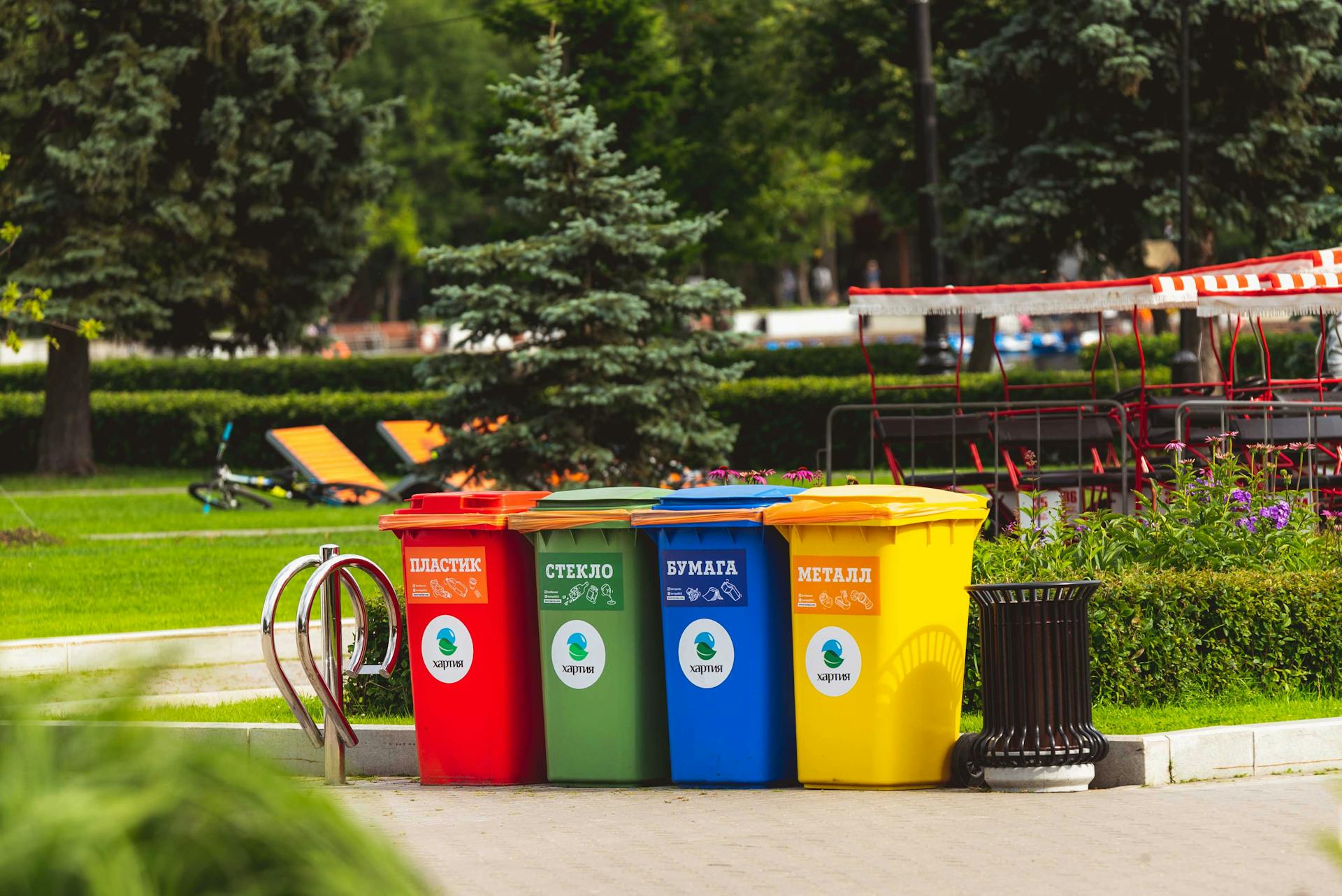
Here’s something I’ve been thinking about lately. We spend so much time worrying about massive global environmental issues – melting ice caps, ocean plastics, deforestation. And yeah, those things matter. But sometimes we forget the power of what happens right in our own backyards.
I was talking to a friend who runs a waste management company in Canberra – Brindabella Waste – the other day, and it really got me thinking about how local waste management is basically the frontline of environmental action. Think about it – every single piece of trash you produce has to go somewhere. And that “somewhere” makes all the difference.
The thing is, we’ve gotten really good at outsourcing our environmental guilt. Buy carbon offsets. Support a rainforest charity. Share posts about saving the whales. All good stuff, dont get me wrong. But what about the daily choices we make about our actual, physical waste?
The Ripple Effect Nobody Talks About
When you choose a local waste company that actually cares about recycling and proper disposal, you’re not just ticking a box. You’re literally changing the physical flow of materials in your community. That old couch? It could end up in landfill, releasing methane for decades. Or it could be properly broken down, with metal recycled, wood repurposed, fabric diverted to appropriate facilities.
Here’s what really gets me – we have all this technology and innovation around sustainability, but sometimes the biggest impact comes from the simplest choices. Like who picks up your bins.
I’ve been researching this stuff for a while now, and the data is pretty wild. Communities with engaged, environmentally-focused waste management see:
· Up to 40% reduction in landfill contributions
· Significant decreases in illegal dumping (which poisons local waterways)
· Better community engagement with recycling programs
· Actual circular economy benefits staying LOCAL
The Psychology of Waste
There’s this weird disconnect we have with trash. Once it’s in the bin, it basically ceases to exist in our minds. Out of sight, out of mind, right? But that’s exactly the problem.
When you work with a company that’s transparent about where your waste goes, something shifts. You start thinking differently. Maybe you fix that chair instead of
chucking it. Maybe you actually rinse those containers before recycling. Small stuff, but it adds up.
I’ve noticed this in my own life. Once I understood the actual journey of my waste – where it went, who handled it, what happened next – I couldn’t unsee it. It wasnt about guilt or shame. It was about connection. Understanding that my choices had real, physical consequences in my actual community.
Breaking the Big Company Monopoly
Here’s another thing that bugs me. We’ve let massive corporations dominate waste management in so many places. And look, they do their job. But do they care about your specific community? Do they invest back locally? Do they go the extra mile to find recycling solutions for unusual items?
Usually not.
Local companies have skin in the game. They live where they work. Their kids go to the same schools as yours. They breathe the same air, drink the same water. That changes everything.
What You Can Actually Do
Alright, so what’s the takeaway here? Its pretty simple actually:
1. Ask questions – Where does your waste actually go? What percentage gets recycled? Who handles it?
2. Choose local when possible – Support businesses that reinvest in your community
3. Think lifecycle – Before you buy something, think about where it’ll end up
4. Get your workplace involved – Businesses produce way more waste than households. If you can influence your office’s waste choices, that’s huge
5. Talk about it – Yeah, garbage isn’t the sexiest conversation topic. But normalizing these discussions matters
The Bigger Picture
Look, I’m not saying switching your waste provider will save the planet. But I am saying that real environmental change happens through thousands of small, local decisions. When communities take control of their waste streams, choose providers who care about recycling and proper disposal, and actually engage with where their stuff goes – that’s when things shift.
We keep waiting for some big technological breakthrough or government mandate to fix our environmental problems. But maybe the answer is simpler. Maybe it’s just about communities making better choices about the basics. Like who handles their trash.
Your local waste decisions might seem small. But multiply that by every household and business in your area, and suddenly you’re talking about real impact. Not abstract, far-away impact. But changes you can literally see and smell and experience in your own neighborhood.
That’s the kind of environmental action I can get behind.
Want to know about Monster Energy Drink Price Wars: Delivery Apps Offering the Biggest Discounts? Check out our Lifestyle category.