


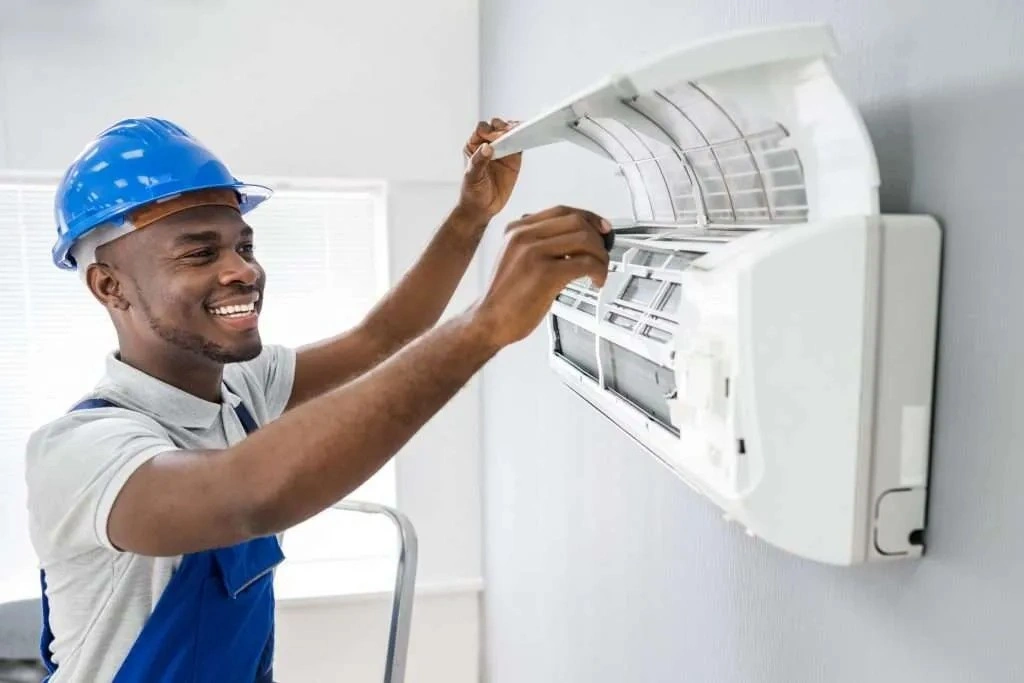
Replacing an outdated air conditioning unit usually pays off through lower energy bills, steadier temperatures, better humidity control and far fewer emergency repairs. If your system is more than 10 to 15 years old, needs frequent fixes or struggles on the hottest days, a modern high-efficiency unit is often the more cost-effective choice over the long run.
Older AC units rarely fail all at once. Performance slips gradually, bills creep up and repairs become routine, so many homeowners don’t notice how much they’re losing until the system quits during a heat wave. Below are the main benefits of upgrading, the warning signs that replacement is due, a simple way to compare repair against replacement, and what to expect from the installation itself.
Quick Comparison: Old vs. New Air Conditioning Systems
| Feature | Typical older system (10–15+ years) | Modern replacement |
|---|---|---|
| Energy use | Higher; efficiency drops as parts wear | Lower; built to current federal efficiency standards |
| Temperature control | Single-speed, on/off cycling | Two-stage or variable-speed options for steadier cooling |
| Humidity removal | Often weak, leaving rooms clammy | Longer, gentler run cycles pull out more moisture |
| Noise | Rattles, buzzing, loud start-ups | Insulated compressors and quieter fan designs |
| Refrigerant | Many very old units use R-22, which is no longer produced | Newer refrigerants designed for lower environmental impact |
| Repairs | Frequent; some parts are hard to source | Rare in early years and covered by warranty |
| Controls | Basic thermostat | Smart thermostat and app compatibility |
1. Improved Energy Efficiency
The biggest advantage of replacing an old air conditioning unit is lower energy use. Older systems were built to lower efficiency standards, and years of wear make them even less efficient. Motors weaken, coils collect grime and compressors lose capacity, so the unit has to run longer to deliver the same cooling.
Modern systems are rated using SEER2, the current US efficiency metric, and must meet federal minimum standards that are higher than those many older units were built to. Features such as variable-speed compressors, better coil designs and improved airflow management let new systems hold a set temperature while drawing less power. Over the life of the system, those savings can offset a meaningful share of the installation cost, especially in areas with long, hot summers.
2. More Consistent Indoor Comfort
Aging units often leave some rooms warm and others overly cold. During extreme heat, they may run nonstop without ever reaching the thermostat setting.
New systems deliver more precise temperature control and better airflow. Two-stage and variable-speed equipment can run at lower output for longer periods instead of blasting on and off, which evens out hot and cold spots. Zoning and smart thermostats add another layer of control, letting you cool the rooms you use rather than the whole house.
3. Better Humidity Control
Humidity has a huge effect on how comfortable a home feels. A house at 74°F with high humidity can feel stickier and warmer than a drier house at the same temperature. Older single-speed systems tend to cool the air quickly and shut off before they’ve removed much moisture.
Newer systems with longer, steadier run cycles pull more moisture from the air as it passes over the indoor coil. The result is a home that feels cooler at a higher thermostat setting, which also helps reduce energy use. Lower humidity can also make conditions less favorable for mold and dust mites.
4. Fewer Repairs and Breakdowns
Frequent repairs are one of the clearest signs an air conditioner is near the end of its useful life. Common problems in older systems include:
- Refrigerant leaks
- Compressor failures
- Electrical faults, such as failing capacitors and contactors
- Frozen evaporator coils
- Weak airflow from worn blower motors
- Thermostat and control malfunctions
These problems tend to multiply as parts wear out. For some older units, replacement components become difficult or expensive to source, and systems that use R-22 refrigerant face a particular challenge, because recharging them relies on limited remaining supplies. A new system cuts the risk of a breakdown at the worst possible moment, and manufacturer warranties help protect you from unexpected repair bills in the early years.
5. Quieter Operation
Older units often grow noisier with age. Rattling panels, buzzing electrical parts and loud compressor start-ups can make it harder to relax, sleep or concentrate.
Today’s equipment is designed with sound reduction in mind, using insulated compressor compartments, improved fan blade designs and smoother variable-speed operation. If you work from home, have young children or simply value a quiet house, the difference can be noticeable from the first day.
6. Better Indoor Air Quality
Your air conditioner moves the air in your home many times a day, so its filtration matters. Older systems often have basic filter slots and ducts or coils caked with years of dust.
A replacement is a good opportunity to upgrade filtration and, where needed, have ductwork inspected and sealed. Better filtration can help reduce:
- Dust
- Pollen
- Pet dander
- Other airborne allergens
- Some indoor pollutants
Some systems also support add-on air purification or ventilation equipment. This can be especially helpful for households dealing with allergies or asthma, though anyone with a respiratory condition should follow advice from their doctor about managing indoor triggers.
7. Lower Environmental Impact
Many older units use refrigerants that are being phased out because of their environmental effects, and they burn more electricity to deliver the same cooling. Newer air conditioners are built to meet stricter environmental rules, use refrigerants with lower environmental impact and consume less energy overall, which reduces your household’s carbon footprint.
When an old system is removed, a licensed contractor should recover the refrigerant properly rather than venting it, which is another reason to use a qualified installer.
8. Smart Technology, Convenience and Home Value
Modern air conditioning integrates easily with smart home tools. Common features include:
- Smart thermostat compatibility
- Remote control through mobile apps
- Programmable cooling schedules
- Energy usage tracking and maintenance reminders
- Automatic adjustments based on occupancy or outdoor conditions
These tools make it easy to avoid cooling an empty house and to spot problems early.
An updated system can also help when you sell. Buyers pay close attention to major systems because replacing them soon after moving in is expensive. A newer AC can make a home appear better maintained, more energy-efficient and more move-in ready. It won’t single-handedly set your home’s price, but it can boost buyer confidence and reduce concerns during inspections and negotiations.
Warning Signs It’s Time to Replace Your AC
Use this checklist to judge whether your system is approaching replacement:
- The system is more than 10 to 15 years old
- Energy bills keep rising even though your usage hasn’t changed
- Repairs are becoming frequent or a major component, such as the compressor, has failed
- Some rooms never cool properly
- Indoor humidity stays high and the house feels clammy
- The unit runs almost constantly in hot weather
- The system uses R-22 refrigerant and needs a recharge
- You hear grinding, squealing or loud banging noises
If two or three of these apply, it’s worth getting a professional evaluation before the next cooling season.
Repair or Replace? A Simple Way to Decide
Many HVAC technicians use a rough rule of thumb: multiply the age of the unit by the repair cost. If the result is more than about $5,000, replacement usually makes more financial sense. For example, a $400 repair on a 14-year-old system gives 5,600, which points toward replacing. Treat this as a starting point rather than a strict rule.
| Situation | Usually better to |
|---|---|
| Young system (under about 10 years) with a minor fault | Repair |
| Older system with a major failure such as the compressor | Replace |
| Frequent repairs over the last two or three summers | Replace |
| R-22 system with a refrigerant leak | Replace in most cases |
| Good system in a home you plan to sell very soon | Repair and maintain |
Also consider how long you plan to stay in the home, available utility rebates, and whether you would benefit from a different setup, such as adding ductless mini-split air conditioning for rooms the central system struggles to reach.
What to Expect From an AC Replacement
- Assessment: a technician evaluates your current system, ductwork and home.
- Load calculation: a reputable contractor sizes the new system to your home rather than simply matching the old unit’s size. An oversized unit short-cycles and controls humidity poorly; an undersized one runs constantly.
- Equipment choice: you compare efficiency ratings, single-stage versus variable-speed options, warranties and up-front cost.
- Installation: the old unit is removed, refrigerant is recovered and the new system is installed, often within a day for a straightforward swap.
- Testing and setup: airflow, refrigerant charge and thermostat settings are checked, and you’re shown how to operate the system.
Climate matters too. In regions with hot, humid summers and cold winters, such as northern Illinois, a reliable and well-sized system makes a big difference to summer comfort and energy costs. Homeowners in that area can start by looking into AC replacement in Lake in the Hills, IL to compare options and schedule an assessment before peak season.
Tips to Get the Most From a New System
- Ask for a written quote that lists the equipment model numbers, efficiency ratings and warranty terms.
- Register the equipment with the manufacturer promptly so warranty coverage applies in full.
- Check with your utility company for rebates on high-efficiency equipment.
- Replace or clean filters regularly, typically every one to three months.
- Book annual maintenance before summer to keep efficiency high and warranties valid.
Bottom Line
If your air conditioning system is more than a decade old, costs more each summer to run and needs regular repairs, replacing it is usually the smarter long-term move. A properly sized modern unit can lower energy bills, improve comfort and humidity control, run more quietly and give you years of dependable cooling. Get an assessment before your old system fails, so you can choose the right equipment on your schedule rather than in an emergency.
For more practical guides around the home, read Maintaining Healthier Outdoor Spaces Through Smart Irrigation Practices or browse our Home Improvement category.
Frequently Asked Questions
How long does an air conditioning unit usually last?
Many central air conditioners last roughly 10 to 15 years, depending on climate, usage and maintenance. Units in hot climates or with skipped maintenance often wear out sooner. Once a system passes that range, efficiency losses and repairs typically increase.
Will a new AC really lower my energy bills?
In most cases, yes, especially if you are replacing a unit that is 10 or more years old. Modern systems must meet higher federal efficiency standards, and variable-speed models use even less energy. Actual savings depend on your climate, usage, insulation and electricity rates.
Is it worth repairing a 15-year-old air conditioner?
For a small, inexpensive fix, a repair can buy you time. For a major failure such as a compressor or a refrigerant leak, replacement is usually the better value. The age-times-repair-cost rule of thumb, with a threshold of around $5,000, is a quick way to compare.
What size air conditioner do I need?
The right size depends on your home’s square footage, insulation, windows, ceiling height and local climate. A contractor should perform a proper load calculation rather than copying the old unit’s size, since an oversized or undersized system wastes energy and cools poorly.
Can a new air conditioner improve indoor air quality?
It can help. A replacement is a good time to upgrade filtration and have ducts inspected, and better humidity control can make conditions less favorable for mold and dust mites. Regular filter changes are still essential to keep air quality benefits going.
How long does AC replacement take?
A straightforward replacement of a central air system is often completed in about a day. Jobs that involve ductwork changes, electrical upgrades or a different system type can take longer, so ask your contractor for a timeline in advance.