


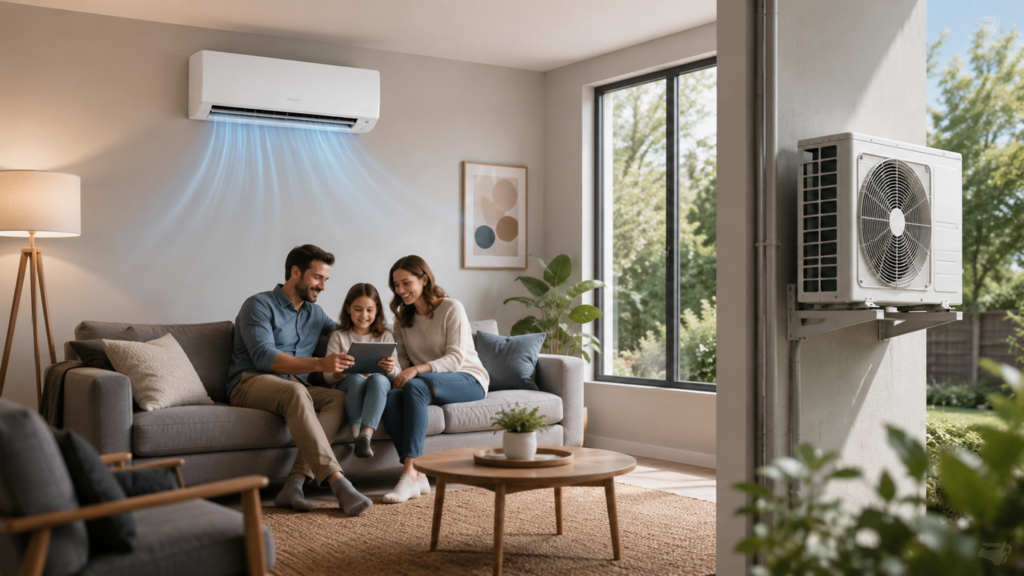
A New Priority for Modern Homes
Creating a peaceful and comfortable home environment has become increasingly important for modern families. As more people work remotely, study online, and spend larger portions of their day indoors, homeowners are paying closer attention to how their living spaces feel and function. Comfort is no longer measured only by temperature. Noise levels, energy efficiency, flexibility, and indoor air quality now play major roles in home improvement decisions.
This shift in priorities has contributed to the growing popularity of the air conditioner known as a ductless mini split system. Many homeowners are moving away from older cooling methods in favor of quieter, more adaptable solutions that better support modern lifestyles.
Unlike traditional HVAC systems that rely on extensive ductwork, these systems use compact indoor units connected to an outdoor compressor. The setup allows homeowners to control temperatures in individual rooms while minimizing noise and improving energy efficiency. For many families, the appeal lies not only in cooling performance but also in the overall improvement to daily living comfort.
Why Quiet Operation Matters More Than Ever
Noise is one of the most overlooked aspects of home comfort. Traditional cooling systems often generate sound through large fans, vibrating ductwork, and constant cycling between on and off modes. While many homeowners accepted this noise in the past, changing lifestyles have made quieter environments far more valuable.
Today’s homes often serve multiple purposes at once. A living room may function as an office during the day and a family entertainment space at night. Bedrooms need to support better sleep quality, while children may require quiet study areas for schoolwork. In these situations, loud cooling systems can become disruptive.
Modern zoned cooling systems are designed with quieter operation in mind. Many use inverter-driven compressors and smaller indoor fans that maintain steady temperatures without sudden bursts of noise. The result is a calmer indoor environment that supports concentration, relaxation, and better overall comfort.
For families living in busy neighborhoods or urban areas, reducing indoor mechanical noise can make the home feel more peaceful and private. Even small reductions in background sound can noticeably improve daily living conditions.
Energy Efficiency and Cost Savings
Another major factor driving interest in these systems is energy efficiency. Homeowners are increasingly looking for ways to reduce monthly utility bills while still maintaining a comfortable indoor climate. Traditional central systems often cool entire homes evenly, including rooms that are rarely used. This can result in unnecessary energy consumption.
Zoned cooling systems allow homeowners to cool specific rooms independently. For example, a family may choose to keep bedrooms cooler at night while reducing cooling in unused guest rooms or storage areas. This targeted approach often leads to lower energy usage and improved efficiency.
However, homeowners must also consider the trade-offs involved. Although operating costs are frequently lower over time, the initial installation cost may be higher than other cooling options. Families must evaluate whether long-term savings justify the upfront investment.
The answer often depends on several factors, including:
- Home size
- Local climate
- Existing insulation quality
- Daily cooling habits
- Electricity rates
For households planning to stay in their homes long term, the efficiency benefits may outweigh the higher installation costs. Short-term homeowners, however, may prioritize lower upfront expenses instead.
Flexible Installation for Modern Living Spaces
One reason these systems are becoming more common in home improvement projects is their installation flexibility. Many older homes were built without ductwork, making traditional central cooling upgrades expensive and disruptive. Installing new ducts can require opening walls, ceilings, and floors, significantly increasing labor costs.
Zoned systems eliminate much of this complexity because they require only a small conduit connecting indoor and outdoor components. This makes them particularly useful for:
- Older homes
- Garage conversions
- Attic renovations
- Basement living spaces
- Home additions
- Sunrooms
- Detached offices
Instead of extending existing duct systems, homeowners can create independent climate zones for new spaces. This flexibility allows families to improve comfort without undergoing major structural renovations.
The ability to customize temperature control room by room is also appealing in households where family members have different comfort preferences. One room can remain cooler while another stays slightly warmer, reducing disagreements over thermostat settings.
The Aesthetic and Design Trade-Offs
Despite their practical advantages, these systems are not without drawbacks. One concern for some homeowners is the appearance of indoor wall-mounted units. Traditional central systems hide vents within ceilings or floors, while zoned units remain visible inside living spaces.
Manufacturers have improved designs over the years, creating slimmer and more modern-looking indoor units. Even so, some homeowners may still prefer hidden ventilation systems that blend more seamlessly with interior décor.
There are also installation placement considerations. Indoor units must be positioned carefully to ensure proper airflow and efficient operation. Poor placement can reduce performance and create uneven cooling within a room.
For homeowners focused heavily on interior aesthetics, balancing visual preferences with performance benefits can become an important part of the decision-making process.
Maintenance and Long-Term Performance
Every cooling system requires maintenance, and these systems are no exception. While they avoid some problems associated with traditional ductwork, such as dust buildup and air leakage, they still require routine upkeep.
Filters must be cleaned regularly to maintain airflow and efficiency. Outdoor components also need periodic servicing to ensure proper operation. Homeowners who neglect maintenance may experience declining performance, higher energy use, or indoor air quality issues over time.
One advantage is that the absence of ducts can reduce certain maintenance concerns common in older central systems. Dirty ducts can accumulate dust, allergens, and moisture, particularly when maintenance is inconsistent. Eliminating large duct networks may help improve indoor cleanliness in some households.
Still, homeowners should understand that no cooling system completely solves indoor air quality challenges. Proper ventilation, humidity control, and regular cleaning remain essential parts of maintaining a healthy home environment.
Climate Considerations and System Sizing
Climate conditions also influence how effective these systems will be in a particular home. In moderate climates, they often perform extremely efficiently throughout the year. In regions with very cold winters, however, some homes may require supplemental heating unless advanced cold-weather models are installed.
Proper system sizing is equally important. A unit that is too small may struggle to cool the space effectively during peak summer temperatures. An oversized system, on the other hand, may cycle inefficiently and fail to manage humidity properly.
Professional installation helps reduce these risks. HVAC specialists evaluate room size, insulation levels, ceiling height, sun exposure, and other factors to determine appropriate system capacity.
While some homeowners are attracted to do-it-yourself installation kits, improper installation can lead to refrigerant issues, reduced efficiency, and shortened equipment lifespan. The lower initial cost of DIY installation may not always outweigh the potential long-term performance problems.
Environmental Impact and Sustainability
Environmental awareness has become a growing influence in home improvement decisions. Many families now prioritize systems that reduce energy consumption and support more sustainable living practices.
Modern zoned cooling systems often use inverter technology that adjusts output gradually instead of operating at full power continuously. This reduces wasted electricity and improves overall efficiency.
Lower energy consumption may help reduce household carbon emissions over time, particularly in areas where electricity demand places stress on local power grids. For environmentally conscious homeowners, this can be an important advantage.
However, there are still environmental trade-offs to consider. Manufacturing HVAC equipment requires raw materials, energy, and refrigerants. Equipment replacement and disposal also contribute to environmental impact. Choosing durable systems and maintaining them properly can help reduce unnecessary waste and extend operational lifespan.
Smart Technology and Convenience
Technology integration has also increased the popularity of advanced home cooling systems. Many newer models include:
- Smartphone controls
- Programmable schedules
- Smart thermostats
- Voice assistant compatibility
- Remote temperature management
These features allow homeowners to customize comfort while improving efficiency. Families can adjust settings remotely before arriving home or reduce cooling during unoccupied hours.
Smart features provide convenience, but they also introduce additional considerations. Software updates, cybersecurity concerns, and compatibility with evolving technology platforms may affect long-term usability. Homeowners should evaluate whether advanced features genuinely improve their daily routines or simply add unnecessary complexity.
Choosing the Right Cooling Solution
No single cooling solution works perfectly for every household. Traditional central systems still provide advantages in homes with existing duct infrastructure already in good condition. Window units may remain practical for homeowners seeking low upfront costs.
The best choice depends on balancing several important factors:
- Comfort
- Energy efficiency
- Installation costs
- Maintenance needs
- Noise levels
- Home layout
- Long-term plans
Families planning renovations may value installation flexibility, while long-term homeowners may focus more heavily on efficiency savings and property value improvements. Understanding household priorities is essential before making a major HVAC investment.
The Future of Quiet Home Comfort
The growing popularity of quieter cooling systems reflects broader changes in how people view their homes. Modern households increasingly expect their living spaces to support productivity, relaxation, wellness, and energy efficiency all at once.
As technology continues to evolve, homeowners will likely see even quieter systems, smarter automation, and improved energy performance. For many families, upgrading their home climate system is no longer only about staying cool during summer months. It is about creating a calmer, more adaptable, and more comfortable living environment for everyday life.
The demand for quieter, energy-conscious home upgrades is likely to continue growing as homeowners place greater value on comfort that extends beyond simple temperature control.