

When a natural disaster damages your home, the uncertainty that follows can be overwhelming. Floods, fires, storms, and earthquakes can leave behind destruction that feels impossible to reverse. Homeowners are often faced with urgent questions about safety, cost, and whether rebuilding is even worth considering. While some structures suffer irreversible damage, many homes can be stabilized, repaired, and restored with the right approach and timely action.
Understanding your options after a disaster is essential for making sound decisions. The path forward depends on the extent of damage, the risks involved, and your long term goals for the property. By evaluating the situation carefully and taking informed steps, it is often possible to recover more than you might expect.
Assessing Structural Safety and Habitability
The first and most critical step after a natural disaster is determining whether your home is structurally safe. Damage to the foundation, load bearing walls, roof systems, or support beams can compromise the integrity of the entire structure. In some cases, hazards may not be immediately visible, especially if water, smoke, or debris obscures key areas.
Professional inspections by structural engineers or building inspectors help identify whether the home can be occupied or requires temporary evacuation. Electrical systems, gas lines, and plumbing also need thorough evaluation to ensure they do not pose immediate dangers.
Habitable condition does not only refer to structural strength. Air quality, moisture levels, and the presence of contaminants such as mold or smoke residue play an equally important role. A home that appears intact may still be unfit for living until environmental hazards are addressed.
Understanding the Types of Damage That Can Be Repaired
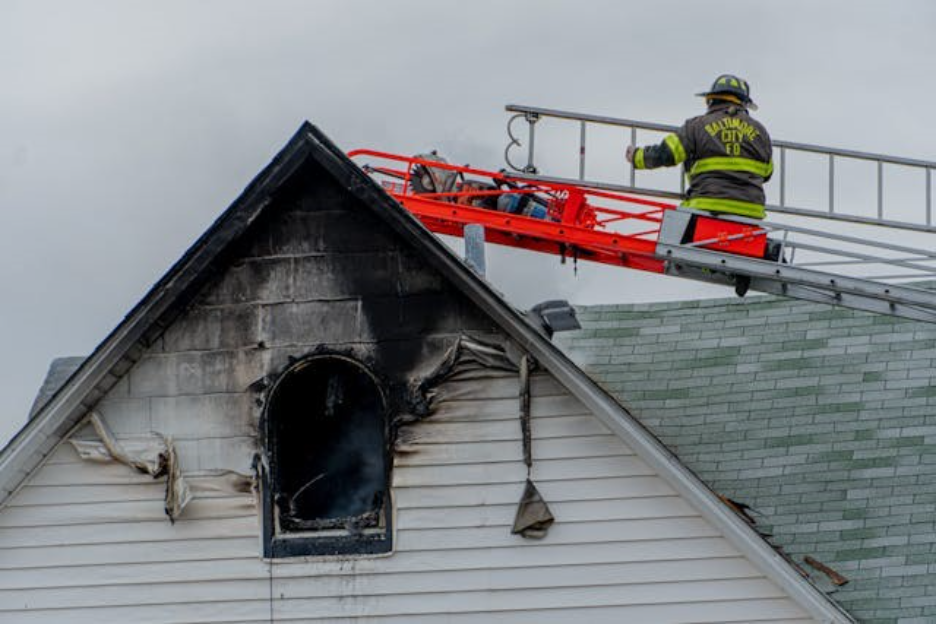
Not all disaster damage has the same long term impact. Water damage from floods or storm surge can often be mitigated with proper drying, cleaning, and material replacement. Fire damage may look severe, but many structures remain salvageable once charred debris and smoke residue are removed.
Wind damage commonly affects roofing, siding, windows, and exterior framing. These elements can usually be repaired or replaced without compromising the core structure. Even in cases where multiple systems are affected, staged restoration allows homeowners to address damage systematically rather than abandoning the property entirely.
That said, repeated exposure to water or prolonged contamination can weaken materials beyond repair. Determining what can be salvaged and what must be replaced requires experienced evaluation and realistic expectations.
The Role of Professional Restoration Services
Once safety assessments are complete, professional restoration services become central to recovery efforts. These teams specialize in water extraction, drying, fire cleanup, mold remediation, and structural repairs. Their goal is to stabilize the home, prevent further deterioration, and restore livable conditions.
Working with a restoration company after an emergency provides access to specialized equipment, trained technicians, and established protocols that reduce risks during cleanup. Improper handling of debris, soot, or moisture can lead to additional damage or health hazards.
Restoration professionals also help coordinate documentation for insurance claims, which can ease financial strain and streamline the recovery timeline. Their involvement often makes the difference between a successful restoration and a home that deteriorates further while decisions are delayed.
Financial Considerations and Insurance Factors
Cost is a major factor when deciding whether to salvage a damaged home. Repair expenses must be weighed against the property value and available insurance coverage. Homeowners should review policy terms carefully to understand what types of damage are covered and what exclusions may apply.
Insurance adjusters play a key role in determining claim outcomes. Providing thorough documentation, including photos, inspection reports, and repair estimates, strengthens your position and supports accurate valuations. In some cases, partial restoration may be more practical than a full rebuild, especially if insurance limits are restrictive.
Financing options such as disaster assistance programs, grants, or low interest loans may also be available depending on the type of disaster and location. Exploring these resources can make salvaging your home more financially feasible.
Emotional and Long Term Decision Making
Beyond logistics and costs, emotional factors heavily influence post disaster decisions. Homes often carry deep personal significance, and the desire to restore what was lost is natural. At the same time, stress and fatigue can cloud judgment, leading to rushed choices.
Taking time to consult professionals, gather clear information, and reflect on your long term plans can prevent regret later. Consider how restoration aligns with your future needs, whether the location remains safe, and how resilient the home can be made against future events.
In some cases, rebuilding or relocating may offer greater peace of mind. In others, restoring the existing structure preserves both financial value and emotional connection. Neither choice is inherently right or wrong, but each deserves careful consideration.
Conclusion
After a natural disaster, determining whether your home can be salvaged involves more than assessing visible damage. Structural safety, environmental health, restoration potential, and financial realities all play a role in shaping the best path forward. While the process can feel complex and overwhelming, many homes can be restored with the right expertise and timely action.
By understanding your options and seeking qualified guidance, you gain clarity during a difficult time. Whether you choose to restore, rebuild, or move on, informed decisions help protect your wellbeing and support a more stable recovery for you and your family.
Apart from that, if you want to know about Tree Care Essentials for Homeowners then please visit our Home Improvement category.