

Key Takeaways
- Regular inspections allow you to catch problems early and maintain healthy growth.
- Proper watering and mulching offer crucial benefits for root strength and moisture retention.
- Consistent pruning enhances tree appearance and minimizes risks to your property.
- Shielding trees from environmental hazards is essential for longevity.
- Noticing early signs of stress ensures issues are dealt with before they escalate.
Keeping trees vibrant and structurally sound is central to ensuring your property looks its best and remains a safe environment. Regular tree care involves more than just occasional watering, and understanding essential practices can save you significant trouble down the line. Whether you’re nurturing a youthful sapling or safeguarding a backyard giant, guidance from an expert is always a plus; reach out to a commercial tree company Argyle for tailored support and advice when needed.
Paying close attention to your trees increases curb appeal and provides peace of mind regarding potential hazards. Early care can often head off expensive problems, helping you maintain a thriving landscape for years to come.
Regular Inspections
Make it part of your monthly routine to walk your property and look for signs of tree health. These include checking for yellowing or spotting leaves, cracked or peeling bark, visible fungus, and signs of insect activity. Catching these warnings early allows you to take corrective steps before more serious damage occurs, saving both the tree and your budget. Trees close to your home or public pathways, especially, benefit from regular observation, as falling branches or weakened trunks can pose safety risks.
In addition, examine the soil conditions and the area surrounding the root zone. Soil compaction, changes in surrounding landscaping, or a sudden appearance of construction debris near roots can quickly impact tree health. Marking down observations in a garden journal or a mobile app lets you track trends and recurring issues year over year. This ongoing record is an invaluable tool for both homeowners and professionals called in for consultation.
Proper Watering Techniques
Watering routines should be adapted based on tree size, age, and local climate. Younger trees need more frequent deep watering, typically once or twice weekly during dry spells, focusing on the root zone rather than the trunk. For mature trees, deep soaking less frequently encourages deeper roots, making your trees more resilient in harsh weather. Avoid overwatering, which suffocates roots and can lead to rot; check soil moisture regularly and ensure good drainage.
The best time to water is early in the morning or late in the evening to minimize evaporation. Consider using soaker hoses or drip irrigation systems for efficiency, especially if you are away from home often. Consistent practices help establish stronger roots and avoid water wastage, ensuring your trees get the moisture they need without runoff or pooling that could attract pests.
Mulching Best Practices
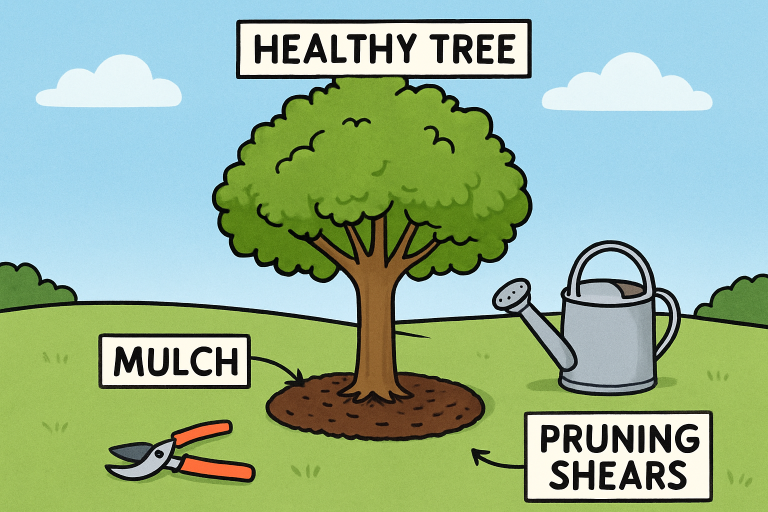
Apply a 2-4 inch layer of wood chips or shredded bark around the base of your trees. Mulching not only helps retain moisture and regulate soil temperature but also improves soil nutrition as it breaks down. Be careful not to stack mulch against the trunk, as this can invite pests and disease. Instead, form a wide, doughnut-shaped ring a few inches from the trunk to the outer branches, which protects roots and discourages weeds without harming the tree.
Evaluate mulch once or twice a year, refreshing or adding more as needed to maintain coverage. The type of mulch you choose can make a difference; organic mulches provide a slow-release fertilizer effect, while inorganic options last longer but don’t enrich the soil. Mulching also creates a physical barrier against lawn mowers or string trimmers, which can cause accidental trunk damage.
Pruning for Health and Safety
Pruning is a necessary maintenance task that removes dead, damaged, or diseased branches. This not only promotes healthy regrowth but also increases sunlight and airflow within the canopy. Pruning should be done during a tree’s dormant season, which reduces stress and limits the risk of infection. Certain tree types or larger specimens may require professional help for safe, precise cutting. The TreePeople Trees Resource provides seasonal and species-specific advice for homeowners.
Make sure you use sharp, clean tools to avoid spreading disease between plants. Remove crossing or inward-growing branches to improve structure and prevent storm breakage. For fruiting trees, regular pruning can enhance both fruit production and quality. Take care not to remove more than 25% of the canopy in a single season to avoid putting undue stress on the tree.
Protecting Trees from Environmental Stress
Storms, drought, salt exposure, and nearby construction are just a few factors that stress trees. During home renovations or landscaping projects, set up protective fencing around trees to shield roots and trunks from heavy equipment. In periods of drought, increase watering frequency and pay attention to signs of dehydration, such as wilted or scorched leaves. If you live in a wildfire-prone area, keep flammable debris and brush cleared from around trunks to create defensible space. These practices are crucial in regions facing increasingly extreme weather.
For added protection, anti-desiccant sprays can be used in winter to shield evergreens from drying winds. When facing insect infestations, encourage natural predators in your yard or use organic pest controls before resorting to chemicals. Developing a deep and diverse root system by spacing out watering and reducing competition from lawn grasses can make your trees less susceptible to adverse conditions in the long term.
Recognizing Signs of Tree Stress
Changes in leaf color, premature leaf drop, excessive sap, or the growth of mushrooms near the roots are indicators that your tree may be under stress. If you notice dieback at branch tips or a thinning canopy, it is time to adjust care routines, perhaps by improving watering, mulching, or pruning. Severe or persistent stress symptoms warrant evaluation from a certified arborist to determine underlying ailments, including pests, disease, or root damage.
Deteriorating tree health can also attract wood-boring insects or opportunistic fungi. If you see sawdust at the base of a tree or notice holes drilled into bark, a specialist should inspect for pest infestations. Being proactive and documenting issues with photos can help arborists diagnose problems quickly and recommend effective solutions.
Conclusion
Attentive tree care is a cornerstone of property maintenance and landscape design. By conducting regular inspections, practicing proper watering and mulching, pruning at the right times, safeguarding trees from environmental harm, and being vigilant about warning signs, homeowners foster healthier, safer outdoor spaces. Investing effort now ensures your trees will remain a source of beauty and shade for generations to come.
Developing a relationship with local experts, attending community tree care workshops, or following reputable online resources can further expand your knowledge. Remember, every landscape is unique, and the care your trees require may change as your garden matures or if your area’s climate shifts. Ultimately, a proactive approach combined with expert support creates a sustainable, beautiful environment for you and your community.
Apart from that if you want to know about Best Drought-Resistant Tree Species for Australian Backyards then please visit our Home Improvement Category.