


Key Takeaways
- Assess the scalability and flexibility of the payroll system to accommodate future growth.
- Ensure the solution offers robust compliance features to meet regulatory requirements.
- Evaluate the integration capabilities with existing business systems.
- Consider the vendor’s user-friendliness and support services.
- Analyze the cost structure to ensure it aligns with your budget and offers value.
When organizations evaluate payroll solutions, the focus often extends beyond basic salary processing to the broader impact these systems have on accuracy, efficiency, and administrative workload. A structured assessment helps ensure that the chosen solution aligns with organizational needs, reduces manual errors, and supports consistent payroll operations. Understanding how different platforms handle core payroll functions can provide clarity when comparing available options and identifying which features are most relevant to long-term operational stability.
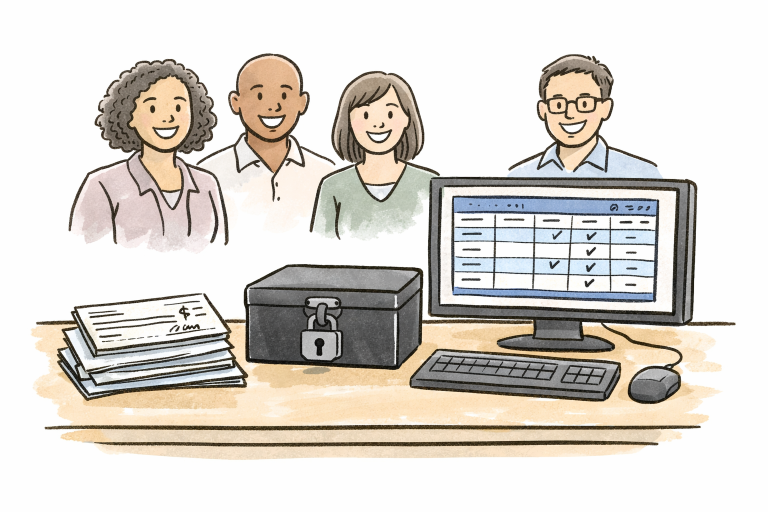
When comparing payroll solutions, several factors are commonly reviewed, including compliance with regulations, ease of integration with existing systems, scalability as organizational needs evolve, and the transparency of cost structures. User experience and reporting capabilities also play a significant role in decision-making. Additionally, data security in payroll is an important consideration, as it involves protecting sensitive employee and financial information from unauthorized access or breaches. These elements collectively help guide more informed and balanced evaluations of available options.
Scalability and Flexibility
As businesses expand, payroll needs often become more complex due to increased employee headcount, diversified pay structures, and multi-location operations. Selecting a payroll platform that offers scalable features ensures that your solution grows alongside your business, eliminating the need for disruptive system changes. Flexibility is equally important; look for software that lets you customize pay runs, adjust deductions, and apply unique pay rules to meet your evolving organizational needs.
Furthermore, scalability goes beyond simply adding more users or processing a higher volume of payroll transactions. An adaptable system should empower your company to support workforce diversification, including managing contractors, part-time employees, and salaried staff across various compensation models. This versatility ensures that as your organization embraces new business opportunities, the payroll solution can serve as a reliable backbone, adapting quickly to support new lines of business, international expansion, or new regulatory obligations.
Integration Capabilities
Modern payroll solutions should integrate seamlessly with key business systems, such as accounting platforms, human resources software, and time-tracking tools. This integration mitigates the risk of manual entry errors, improves data integrity, and delivers complete payroll visibility across departments. When selecting a provider, check whether the payroll system offers robust APIs, pre-built connectors, or custom integration options. Ensure vendor support extends to setup and troubleshooting to help minimize downtime during implementation.
Strong integration abilities allow payroll data to update automatically across systems, reduce repetitive administrative work, and provide leadership with actionable, real-time insights. As companies become increasingly digital, the ability to quickly share information between payroll, HR, and finance platforms underpins better business intelligence and unified workflows.
User Experience and Support
Payroll software should be easy for payroll teams, HR managers, and employees to use. An intuitive user interface reduces the learning curve, allowing everyone to access pay stubs, request adjustments, or manage tax forms with ease. Evaluate the quality of a vendor’s customer service options, including 24/7 support, comprehensive help centers, or dedicated account managers. Fast and knowledgeable assistance becomes invaluable during critical payroll runs or audits, minimizing stress and ensuring reliability.
Investing in user experience also increases employee satisfaction by providing quick access to payroll information and reducing help desk requests. As remote and hybrid work environments become more prevalent, the ease of accessing payroll systems from any device further supports workforce mobility and operational efficiency.
Cost Considerations
Payroll solution pricing structures may include setup fees, recurring subscription charges, per-employee fees, and costs for optional services. Budget transparency is essential; request a detailed breakdown of all standard and optional fees to avoid surprises. Consider not only the sticker price but also the features and time savings the solution provides. If a higher-priced product significantly reduces manual tasks or payroll errors, it could deliver more value than basic, low-cost options. Compare multiple vendors to ensure your final choice offers both functionality and affordability.
Careful evaluation of the return on investment includes considering potential cost savings from automated tax filings, reduced payroll errors, and fewer compliance-related penalties. Remember, an efficient and accurate system may offer intangible benefits, such as reduced staff burnout and improved morale.
Compliance and Regulatory Support
A top payroll platform should automate complex tax calculations and filings across federal, state, and local jurisdictions. Tax regulations change frequently, and a reliable solution must include updates to keep your processes compliant. Features to prioritize include automated filing of IRS forms (such as W-2, 940, and 941), multi-state compliance support for businesses with geographically dispersed teams, and clear audit trails for every payroll transaction. These features help reduce the risk of fines or penalties while streamlining HR workflows. The IRS website provides updates and guidelines on employment tax compliance, which can be a helpful reference for evaluating the adequacy of payroll systems.
In addition, an ideal payroll system should provide ongoing notifications when regulatory changes occur and offer clear documentation that makes compliance less daunting. This proactivity can make a significant difference during audits, as well-maintained records and clear processes demonstrate regulatory adherence and organizational diligence.
Security Measures
With payroll data that includes employees’ social security numbers, bank accounts, and compensation details, security is critical. Examine potential solutions for data-at-rest and data-in-transit encryption, role-based access controls, regular security audits, and compliance with standards such as SOC 2 or ISO 27001.
Regular security training for payroll administrators, as well as protocols for managing potential breaches, should also be part of your organization’s holistic data protection strategy. Security is not a “set it and forget it” function; it requires ongoing diligence and proactive adjustments to respond to new threats.
Customization and Reporting
Businesses often need to generate custom payroll reports for audits, compliance, or internal review. A quality payroll platform should allow you to tailor reporting fields, filter by departments, locations, or pay periods, and export data in multiple formats. Customizable dashboards and scheduled reporting can provide leaders with real-time insight into labor costs, overtime hours, and tax liabilities, supporting smarter business decisions and improving audit readiness.
Advanced reporting tools also enable businesses to identify patterns, adjust strategies, and measure the effectiveness of payroll policies over time. This kind of insight can be invaluable to senior leaders and HR professionals seeking to optimize resource allocation and forecast future labor costs by leveraging robust trends and data-driven projections.
Conclusion
Evaluating payroll systems is a process that demands attention to future growth, compliance support, seamless integrations, quality user experience, cost-effectiveness, robust security, and the ability to customize workflows and reporting. By weighing these factors thoughtfully, businesses can choose solutions that drive efficiency, maintain compliance, and keep sensitive employee information secure as their organizations continue to grow and evolve.
Want to know about Does Your Business Need A Virtual Assistant? Small Business Greatness In 5 Easy Steps Check out our Business category.