


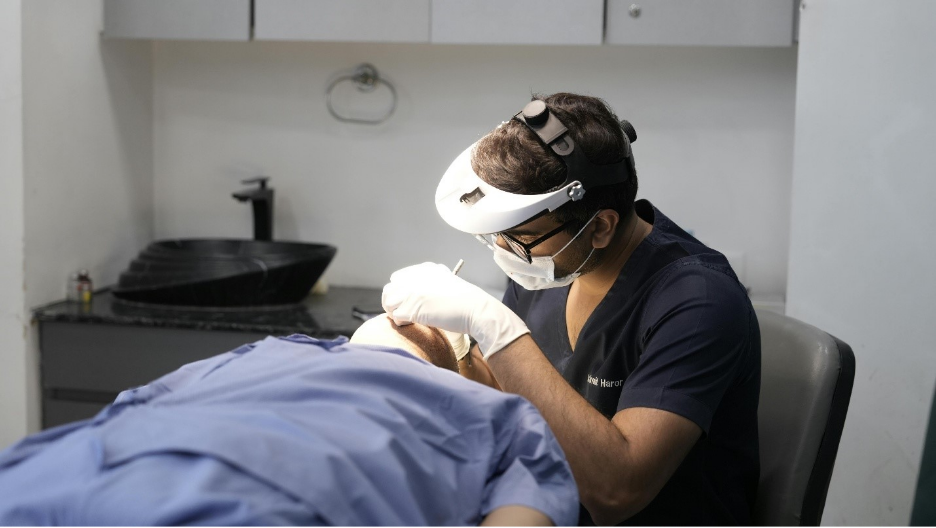
Most people start considering aesthetic treatments after catching themselves staring too long at a bad photo or a tired face during video calls. Stress, poor sleep, and uneven skin slowly become harder to ignore, yet many still walk into consultations unsure what questions actually matter.
In Lexington, interest in non-surgical cosmetic treatments has grown steadily over the last few years, partly because aesthetic care no longer feels limited to celebrities or luxury circles. More working professionals, parents, and even younger adults are exploring skin treatments, injectables, and wellness-focused procedures as part of regular self-care routines. Social media obviously plays a role, though many people are also becoming more cautious about rushed cosmetic decisions and are paying closer attention to safety, realistic expectations, and long-term skin health before starting treatment.
Understanding What Aesthetic Treatments Can Actually Do
One thing people rarely talk about is how much expectation affects satisfaction with cosmetic treatments. A person may technically receive a good result and still feel disappointed because the outcome in their head never matched what the treatment could realistically achieve. That disconnect happens more often now because filtered images, editing apps, and social media trends have shifted what many people think normal skin should look like.
Good consultations usually focus more on goals and skin condition than quick sales conversations. Providers often spend time explaining what treatments can realistically improve, what they cannot fully change, and how results develop gradually instead of overnight. If you are looking for a reliable med spa Lexington has many options. A reputable clinic like Belle Vie Aesthetic Medicine tends to discuss maintenance, recovery, and realistic timelines instead of only focusing on dramatic before-and-after photos that rarely tell the whole story.
Not Every Treatment Works the Same for Every Person
Aesthetic treatments rarely work exactly the same for every person because skin condition, stress, age, sleep, and daily habits all affect results. A lot of people walk into clinics expecting outcomes that match filtered social media videos, then feel disappointed when real skin responds differently.
Good providers usually recommend slower treatment plans, especially for first-time patients, because gradual changes tend to look more natural over time. Cosmetic procedures are also still medical treatments, even when the setting feels relaxing. Lasers, injectables, and chemical peels affect living tissue, which is why realistic expectations and proper guidance matter far more than trendy branding or online hype.
Recovery Time Gets Underestimated Constantly
One of the most common mistakes patients make is assuming non-surgical means zero downtime. Sometimes recovery is minor. Sometimes it is not. Redness, swelling, bruising, peeling, or irritation can last longer than expected, depending on the treatment and the individual response.
This becomes especially important for people scheduling treatments before work events, vacations, weddings, or holidays. Social media clips tend to compress recovery into thirty-second updates that skip over the less glamorous parts where people spend days avoiding mirrors or layering cold compresses on irritated skin. Healing also depends heavily on aftercare. Sun exposure, skincare products, hydration, and even exercise routines can influence how the skin recovers. Patients who ignore recovery instructions usually notice the difference later, sometimes in ways that require additional correction.
Aesthetic treatments are often marketed as convenient because many procedures avoid surgery, and that part is true to a point. Still, convenience should not be confused with instant results or no healing process at all.
Trends Move Faster Than Good Judgment Sometimes
Cosmetic trends shift constantly now. One month, everybody wants sharp jawlines. Then suddenly, the focus changes toward natural skin texture, softer features, or “preventive aging” routines for people barely out of college. Trends are not automatically bad, but they do create pressure for patients to chase treatments they may not actually need.
A lot of providers quietly spend part of consultations talking people out of procedures rather than pushing them forward. That usually surprises patients because many expect aggressive upselling. In reality, experienced practitioners understand that overly aggressive treatment often creates unnatural results that people regret later.
There is also growing awareness around facial balance instead of isolated fixes. Treating one area without considering the rest of the face sometimes creates outcomes that look technically improved but still slightly off. Patients usually cannot explain exactly why something feels unnatural afterward, though they notice it.
That is why slower treatment plans are becoming more common. Smaller adjustments over time tend to age better and look less obvious compared to dramatic changes completed all at once.
Qualifications Matter More Than Marketing
A polished website or large social media following does not necessarily reflect experience or training quality. Patients sometimes choose providers based mostly on online popularity while overlooking medical background, consultation quality, or safety standards.
The aesthetic industry has expanded quickly, which means treatments are now offered in many different environments with varying levels of oversight. Patients should feel comfortable asking questions about training, product selection, sanitation procedures, and experience with complications. Good providers generally do not react defensively to reasonable questions because informed patients usually make safer decisions.
Complications, while uncommon, are still possible with cosmetic procedures. Bruising, asymmetry, irritation, allergic reactions, or poor healing responses can happen even under proper care. Honest consultations usually include those conversations instead of pretending every treatment works perfectly every time. There is also value in choosing providers who recommend restraint when necessary. Patients often trust clinics more when the conversation feels measured rather than rushed toward treatment packages or trend-driven procedures.
Skin Health Usually Matters More Than Perfection
A lot of patients eventually realize they are not actually chasing perfection. They usually want to look less tired, more refreshed, or simply more comfortable in their own skin. That difference matters because treatment decisions become healthier when expectations stay grounded.
Good aesthetic care tends to work quietly. Skin looks healthier, texture improves gradually, and facial expressions still appear natural instead of frozen or overly altered. The best outcomes are often subtle enough that other people notice someone looks well-rested without immediately identifying why.
Patients who approach aesthetic treatments carefully usually feel more satisfied long term because they understand the process before it begins. Cosmetic procedures can improve confidence for many people, but realistic expectations, thoughtful planning, and proper care tend to matter far more than whatever trend happens to dominate social media that month.
Want to know about What Families Should Know About Diagnostic Care for Older Adults Check out our Health category.