


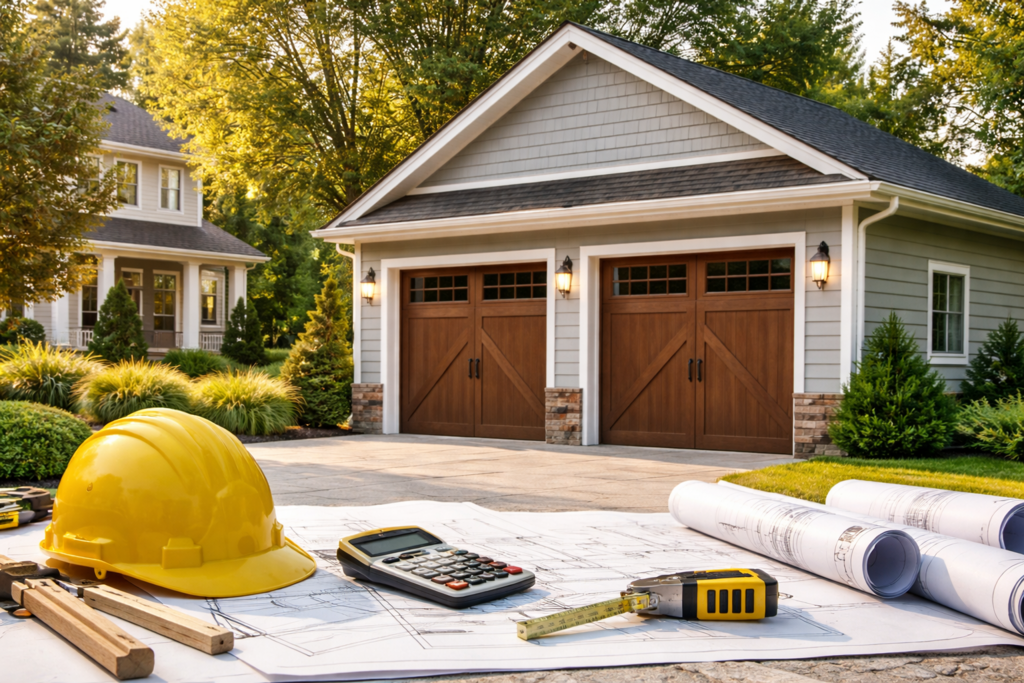
Investing in a new garage is often viewed as a practical upgrade—more storage, better vehicle protection, and improved functionality. However, beyond convenience, a well-planned garage project can significantly influence property value. Understanding how an garage builder approaches design, budgeting, and execution—and how garage construction cost tie into long-term returns—is essential for homeowners making real estate decisions.
This article explores the relationship between construction costs and property value, highlighting key factors, trade-offs, and challenges that shape the outcome of a garage investment.
The Link Between Garage Investment and Property Value
A garage is more than just a utility space; it is a structural addition that directly affects how a property is perceived in the market. In many residential areas, especially suburban neighborhoods, homes with garages often command higher resale values compared to those without.
The value impact depends on several elements:
- Functionality and usability of space
- Design integration with the main house
- Local real estate demand
- Build quality and durability
While adding a garage can increase value, the return is not always proportional to the investment. This is where cost planning and strategic decision-making become critical.
Understanding Cost vs. Value: A Delicate Balance
One of the most important considerations is balancing the amount spent on construction with the potential increase in property value. Spending too little may result in a low-quality structure that adds minimal appeal, while overspending can lead to diminishing returns.
Cost Considerations
Construction expenses vary widely depending on:
- Size (single car vs. multi-car)
- Type (attached vs. detached)
- Materials used
- Custom features (storage systems, insulation, electrical work)
Value Considerations
From a real estate perspective, value is influenced by:
- Market expectations in the area
- Buyer preferences
- Comparable property listings
For example, in neighborhoods where most homes already have garages, adding a basic one may not significantly increase value. However, upgrading to a more functional or visually appealing structure could provide a competitive edge.
Key Factors That Influence Property Value
1. Type of Garage: Attached vs. Detached
The choice between an attached and detached structure plays a major role in both cost and value.
- Attached garages tend to be more convenient and are often preferred by buyers. They provide direct access to the home, which enhances usability and safety.
- Detached garages offer flexibility in design and can serve multiple purposes, such as workshops or guest units.
Trade-off:
Attached options may cost less to build due to shared walls and utilities, but detached structures can offer higher perceived value if designed creatively.
2. Size and Functionality
Larger garages typically cost more to build, but they also provide greater utility. A two- or three-car garage can appeal to families with multiple vehicles or storage needs.
However, simply increasing size does not guarantee higher returns. The added space must align with buyer expectations in the local market.
Trade-off:
- Larger size = higher construction expense
- Better functionality = potential value increase
Finding the right balance is essential to avoid overbuilding.
3. Design and Aesthetic Integration
A garage that blends seamlessly with the home’s architecture enhances curb appeal, which is a key driver of property value.
Features that improve visual appeal include:
- Matching exterior materials
- Consistent rooflines
- Coordinated color schemes
A poorly designed structure, even if functional, can negatively impact the overall appearance of the property.
Challenge:
Achieving design harmony often requires higher upfront investment, but it significantly improves resale potential.
4. Quality of Materials and Construction
The durability and quality of construction directly influence long-term value. High-quality materials may increase initial costs but reduce maintenance expenses and improve buyer confidence.
Examples include:
- Weather-resistant roofing
- Durable flooring (e.g., epoxy coatings)
- Proper insulation and ventilation
Trade-off:
- Premium materials = higher initial cost
- Better longevity = stronger resale appeal
Cutting corners on quality can lead to repairs and reduced value over time.
5. Additional Features and Upgrades
Modern buyers often look for more than just parking space. Garages are increasingly being used for:
- Home offices
- Gyms
- Workshops
- Storage solutions
Adding features such as electrical outlets, lighting, heating, or smart technology can enhance usability and increase property value.
Challenge:
Over-customization can limit appeal if features do not align with general buyer preferences. For instance, a highly specialized workshop may not attract all buyers.
6. Location and Market Conditions
The impact of a garage on property value varies depending on location.
- In urban areas with limited parking, a garage can significantly boost value.
- In suburban regions, it may be considered a standard feature rather than a premium upgrade.
Understanding local market trends is essential when planning a garage project.
Trade-off:
Investing heavily in construction may yield strong returns in high-demand areas but may not be justified in markets where garages are already common.
The Role of Planning and Professional Expertise
Working with experienced garage contractors or a reputable Garage construction company can make a significant difference in both cost efficiency and final value.
Professionals help homeowners:
- Optimize design for functionality and aesthetics
- Navigate permits and zoning regulations
- Avoid costly mistakes during construction
Poor planning can lead to budget overruns, structural issues, or designs that do not align with market expectations.
Cost Efficiency vs. Long-Term Value
One of the biggest challenges homeowners faces is deciding where to save and where to invest.
Areas Where Cost Savings May Be Reasonable
- Basic interior finishes
- Non-essential decorative elements
Areas Where Investment Matters More
- Structural integrity
- Foundation and roofing
- Electrical and safety features
Insight:
Strategic spending—prioritizing essential components while limiting unnecessary upgrades—can maximize both cost efficiency and property value.
Common Challenges in Garage Construction Projects
1. Budget Overruns
Unexpected expenses are common in construction projects. These may arise from:
- Material price fluctuations
- Design changes
- Site preparation issues
Proper budgeting and contingency planning are essential to avoid financial strain.
2. Zoning and Permit Regulations
Local regulations can impact:
- Garage size and placement
- Height restrictions
- Usage (e.g., converting to living space)
Failure to comply can lead to fines or the need for costly modifications.
3. Overbuilding for the Market
One of the most overlooked challenges is building a garage that exceeds neighborhood standards. While it may be impressive, it may not translate into higher resale value.
Example:
A luxury multi-car structure in a modest neighborhood may not deliver a strong return on investment.
4. Underestimating Maintenance Costs
Garages require ongoing maintenance, especially if they include advanced features. Ignoring long-term upkeep can reduce overall value.
Evaluating Return on Investment (ROI)
The return on a garage project depends on how well it aligns with buyer expectations and market conditions.
Factors That Improve ROI
- Functional design
- High-quality construction
- Market-appropriate size and features
Factors That Reduce ROI
- Excessive customization
- Poor design integration
- Overinvestment relative to neighborhood standards
In many cases, garages provide moderate to strong returns, but they should be viewed as part of a broader property improvement strategy rather than a standalone investment.
The Importance of Strategic Decision-Making
Every decision in a garage project—from size and materials to layout and features—has a direct impact on both cost and property value.
Homeowners should consider:
- Current and future needs
- Market trends
- Budget constraints
- Long-term usability
A well-informed approach ensures that the project adds both practical and financial value.
Future Trends and Their Impact
Garage design is evolving, influenced by changing lifestyles and technological advancements.
Emerging trends include:
- Electric vehicle charging stations
- Smart garage systems
- Multi-purpose spaces
These features can increase value but also add to construction costs. Evaluating their relevance to the target market is essential before investing.
Wrapping Up
A garage can be a valuable addition to any property, but its impact on value depends on thoughtful planning and balanced decision-making. While construction costs can vary significantly, the key lies in aligning the investment with market expectations, functional needs, and long-term benefits.
By carefully evaluating trade-offs—such as cost versus quality, size versus usability, and customization versus broad appeal—homeowners can make informed choices that enhance both property value and everyday living.
Ultimately, the success of a garage project is not determined solely by how much is spent, but by how effectively that investment translates into lasting value.