

IMAGE SOURCE: Canva
Panic disorder can feel like being trapped in a terrifying cycle with no way out. The sudden onset of overwhelming fear, racing heart, and feeling of impending doom can disrupt your entire life. If you’re struggling with panic symptoms, you’re far from alone.
Panic attacks are extremely common. Some estimate that 1 in 4 people will experience a panic attack at some point in their life, and about 2-3% of people in the US experience panic disorder each year.
The good news? Effective treatments exist, and exposure therapy stands out as one of the most successful approaches to breaking free from panic’s grip.
The Science Behind Exposure Therapy for Panic Disorder
Understanding how exposure therapy works requires a look at what happens in your brain during panic. This therapeutic approach has solid science backing its effectiveness in treating anxiety conditions.
Research consistently shows exposure therapy’s power in reducing panic symptoms. Studies comparing various treatments find that exposure therapy produces lasting changes in how people respond to panic triggers, often outperforming medication alone for long-term results.
When panic strikes, your brain’s fear center (the amygdala) goes into overdrive, triggering the fight-or-flight response that floods your body with stress hormones. Over time, your brain forms associations between certain situations and these panic responses.
Exposure therapy works by helping your brain create new, calm associations with previously feared triggers. Think of it as updating your brain’s outdated “danger” files with new “safety” information. This rewiring process happens through a concept called habituation, where repeated exposure to a feared stimulus reduces the fear response over time.
For people seeking treatment options for panic disorder, exposure therapy offers a path to recovery that addresses the root cause rather than just managing symptoms. This approach differs from medication, which can help control symptoms but doesn’t necessarily change the underlying fear response.
The Evolution of Exposure Therapy in Treating Panic Disorder
Exposure therapy has come a long way since its early days. Today’s approaches combine proven techniques with new insights into how our brains process fear.
Historical Development of Exposure Techniques
The roots of exposure therapy date back to the 1950s when behavioral therapists began experimenting with systematic desensitization, gradually exposing individuals to feared stimuli while they remained relaxed. These early pioneers discovered that avoidance feeds anxiety, while controlled exposure diminishes it.
By the 1970s, researchers recognized that avoiding panic triggers only strengthened fear responses. This led to more direct exposure approaches that encouraged patients to face feared situations rather than escape them.
Integration with Cognitive Behavioral Therapy Frameworks
Modern panic disorder treatment combines exposure with cognitive behavioral therapy to create a more comprehensive approach. While exposure addresses the behavioral component, cognitive behavioral therapy helps patients identify and challenge unhelpful thought patterns that fuel panic.
This integration creates a powerful synergy: as patients experience success during exposure exercises, their belief systems about panic begin to shift. They learn that physical sensations aren’t dangerous and that they can cope even when feeling anxious.
The combination has proven particularly effective in helping patients overcome what therapists call “the fear of fear”, anxiety about having another panic attack that often drives avoidance behaviors.
How Exposure Therapy Rewires the Brain
The exposure therapy creates measurable changes in your brain. Understanding these changes helps explain why this approach works so well for panic attack therapy.
Fear Extinction and Memory Reconsolidation
When you undergo exposure therapy, your brain forms new neural pathways that compete with old fear patterns. This process, called fear extinction, doesn’t erase the original fear memory but creates new learning that says “this situation is safe.”
Each time you face a feared situation without the expected catastrophe occurring, your brain updates its prediction errors. For example, if you fear your racing heart means you’re having a heart attack, repeatedly experiencing these sensations without a medical emergency teaches your brain a new association.
Measuring Physiological Changes During Treatment
Modern anxiety treatment often includes monitoring physical responses during therapy. Heart rate, skin conductance, and breathing patterns provide objective evidence of fear reduction over time.
Reported physical symptoms significantly reduced at POST compared to BL (B = −.19, p < .001), showing concrete evidence that exposure therapy helps reduce the bodily sensations that often drive panic. Tracking these changes not only confirms progress but also helps patients see their improvement in black and white.
Core Components of Effective Exposure Therapy for Panic Disorder
Successful exposure therapy for panic involves several specialized techniques, each targeting different aspects of panic symptoms.
Interoceptive Exposure Techniques
This powerful approach directly targets the physical sensations of panic. During interoceptive exposure, you deliberately induce panic-like sensations in a controlled environment, spinning in a chair to create dizziness, breathing through a straw to mimic shortness of breath, or hyperventilating to cause lightheadedness.
By voluntarily creating these sensations, you learn that while uncomfortable, they aren’t dangerous. Over time, the sensations trigger less fear, helping reduce panic symptoms significantly.
In Vivo Exposure Strategies
In vivo exposure involves facing real-world situations that trigger panic. This might mean gradually spending time in crowded stores, driving on highways, or riding elevators if these situations typically cause anxiety.
Therapists create a hierarchy of feared situations, starting with moderately challenging scenarios and working up to more difficult ones. This gradual approach builds confidence while preventing overwhelming fear.
Virtual Reality Applications in Modern Exposure Treatment
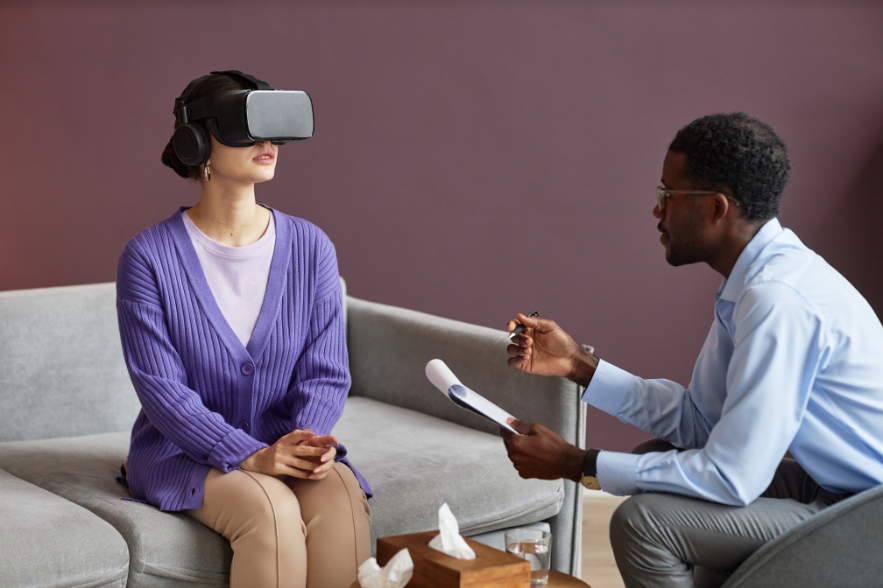
Technology now offers new ways to conduct exposure therapy when real-world exposure isn’t practical. Virtual reality can simulate panic-triggering situations like flying, public speaking, or crowded spaces in the safety of a therapist’s office.
These advances make modern treatment for panic disorder more accessible and customizable, allowing therapists to precisely control exposure intensity and duration.
What to Expect During Your Treatment Journey
Starting exposure therapy can feel intimidating, but understanding the process helps ease concerns.
Assessment and Individualized Treatment Planning
Treatment begins with a thorough evaluation of your specific panic triggers, symptoms, and avoidance patterns. Your therapist will work with you to develop a personalized plan targeting your unique challenges.
This collaborative approach ensures that therapy addresses what matters most to you while respecting your readiness for change. The goal is progress, not perfection, and your therapist will pace treatment according to your needs.
Timeline and Progression Metrics
Most people see meaningful improvement within 12-16 weekly sessions, though some need more or less time depending on panic severity and complexity. Self-reported mood increased for all patients across time, both from baseline to intermediate (B = 3.79, p < .001) and to post-treatment (B= 9.95, p < .001).
Throughout mental health therapy, you’ll track your progress using standardized assessments and self-monitoring tools. These measures provide concrete evidence of improvement, helping maintain motivation during challenging parts of treatment.
Breaking Free from Panic: The Path Forward
Exposure therapy represents one of the most powerful tools available for overcoming panic disorder. By directly confronting feared sensations and situations in a controlled, supportive environment, you can break the cycle of avoidance that keeps panic going.
The path isn’t always easy, facing fears rarely is, and the freedom waiting on the other side makes it worthwhile. If you’re struggling with panic, reaching out to a qualified mental health provider trained in exposure therapy and cognitive behavioral therapy could be your first step toward lasting relief. The journey of a thousand miles begins with a single step, even if that step feels scary at first.
Your Questions About Exposure Therapy Answered
What Makes Exposure Therapy Different from Other Panic Treatments?
Interoceptive exposure is a CBT technique that involves exposure to bodily sensations associated with panic attacks and panic disorder symptoms. Unlike medication that temporarily reduces symptoms, exposure therapy targets the underlying fear response, creating lasting change by teaching your brain that sensations and situations aren’t dangerous.
Is Exposure Therapy Painful or Dangerous for Panic Disorder Patients?
No, while exposure therapy deliberately creates discomfort, it’s always conducted in a controlled, safe environment. Your therapist will never push faster than you can handle, and the temporary discomfort leads to long-term relief from much worse suffering.
How to Practice Exposure Techniques on My Own Between Sessions?
Yes! Homework is crucial to success. Your therapist will teach you specific therapeutic techniques for anxiety to practice between sessions, gradually building your confidence in facing feared situations independently. This real-world practice helps strengthen new learning.
Apart from that if you want to know about “What Role Does Anxiety Play in Cognitive and Emotional Health?” then please visit our Health Category.