

Have you ever walked into an office and wondered if it was run by people or machines? The lights flick on without a switch. A screen greets you by name. Coffee brews at just the right time. It might feel like magic. But it’s just technology doing what it does best—changing everything.
The modern workspace doesn’t look like it did ten years ago. It doesn’t even feel like it did five years ago. Between hybrid schedules, remote collaboration, and digital security, the way businesses run has taken a sharp turn into the future. And there’s no going back.
COVID-19 didn’t just disrupt meetings. It changed what we expect from our work environments. People want flexibility, safety, and tools that actually help—not ones that just collect dust on a shelf. Meanwhile, companies are trying to balance convenience with control. That’s where technology steps in.
From smarter buildings to automated tasks, tech is at the center of how work gets done. In this blog, we will share how these tools are reshaping the modern workplace—and what that means for employees, employers, and everything in between.
What Today’s Office Actually Looks Like
Let’s be clear: the term “office” doesn’t mean the same thing anymore. For some, it’s still a corner desk with a plant. For others, it’s a kitchen table or a shared space with noise-canceling headphones. Thanks to remote work, hybrid setups, and co-working hubs, the word has stretched far beyond cubicles and water coolers.
That shift brought new challenges. Teams had to rethink how they communicate, stay on schedule, and keep things secure. Businesses had to ask big questions. How do you protect company data when half the team works from home? How do you know if the right people are in the building?
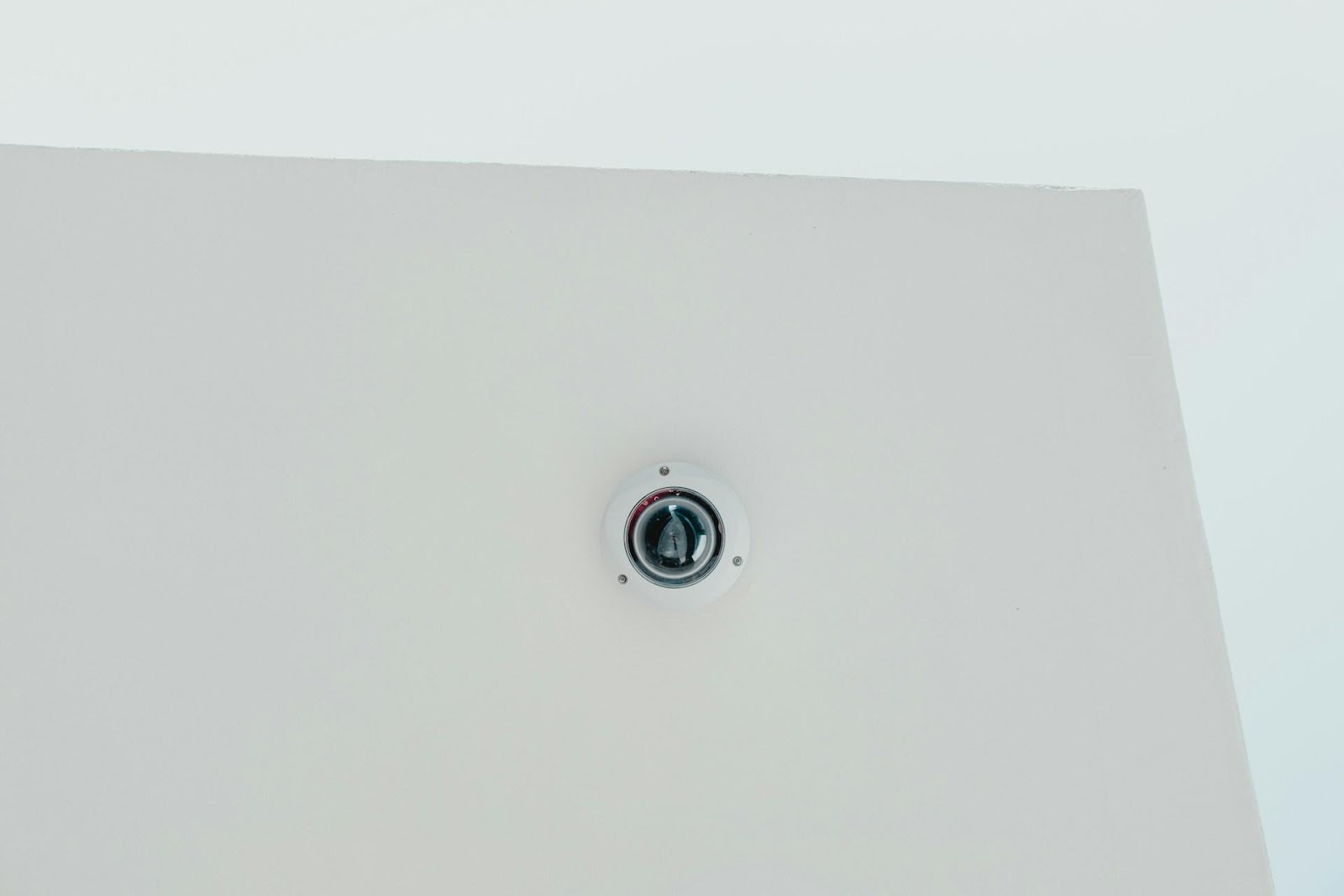
This is where a commercial alarm monitoring system becomes more than just a good idea. It’s part of a larger strategy to keep spaces secure, even when fewer people are around. These systems track activity in real time, alert teams to problems, and reduce response time when something goes wrong.
And they’re not just about doors and motion sensors. Today’s systems can link with mobile devices, send push alerts, and work alongside other tech like smart locks and security cameras. That level of oversight helps businesses adapt to a world where offices are often quiet, but never completely empty.
It’s not about being paranoid. It’s about being prepared. When fewer people are in one place, tech fills the gaps. That’s just one example of how tools are stepping in where tradition used to stand.
The Rise of Flexible Tools
Work today moves at a different pace. One minute you’re answering emails on your phone. The next, you’re on a video call with someone three time zones away. It’s no wonder companies are investing in tools that match this kind of speed.
Cloud-based platforms are now the backbone of communication. Slack, Microsoft Teams, and Google Workspace are not just apps—they’re lifelines. They make sure people stay connected without being in the same room. But these tools are only as strong as the systems behind them.
That’s where automation and AI step in. Think of systems that auto-schedule meetings, transcribe notes, or even answer support tickets. These aren’t just time-savers. They’re force multipliers. They help teams do more with less effort and fewer errors.
Flexible tools also mean flexible work habits. Hot-desking apps let employees book a desk for the day. Smart thermostats adjust based on occupancy. Meeting rooms reserve themselves when calendars align. It’s subtle, but it adds up. Less time spent on admin means more time focused on actual work.
These same smart automation concepts are also making a big impact in the travel and tourism sectors. Properties use these systems to manage energy use when rooms are empty. Guests can control their lights, temperature, and TV from a single device. Many resorts now use hospitality smart technology solutions in Hawaii, or elsewhere to make stays more comfortable. This type of setup helps properties run better and gives visitors a modern experience.
Health, Safety, and Air Quality
One of the biggest lessons from the pandemic? The air we breathe matters. Offices can no longer afford to ignore things like ventilation and crowd density. Smart HVAC systems now track air quality in real time. CO2 levels, humidity, and even viral risk can be monitored and managed with the right tech.
Thermal cameras and contactless entry systems became more common during COVID-19. And while the urgency may have faded, the tools stuck around. They help businesses show they take health seriously. That builds trust—something employees need if they’re going to show up at all.
Touchless bathrooms, automated cleaning schedules, and occupancy tracking are also part of this new workplace. It’s about building spaces that work smarter—not just harder—to support the people inside them.
How Design and Data Work Together
A smart office isn’t just packed with gadgets. It’s designed with intention. Floorplans now change based on usage data. If one meeting room sits empty all month, it can be reworked into a private pod. If certain spaces are always booked, more can be built to match demand.
This approach saves money and space. But more than that, it respects how people actually work. The old model—same desk, same hours—doesn’t fit everyone anymore. Offices that learn and adapt send a message: we see you, and we’re willing to change.
Data helps leaders make smarter choices. Sensors track foot traffic. Apps show which days are busiest. Even cafeteria menus can adjust based on buying patterns. It might sound like overkill, but when used wisely, it’s just responsive design.
The Human Side of Smart Work
With all this talk of automation and AI, it’s easy to forget one thing: work is still done by people. And people need more than efficient systems. They need spaces that inspire, tools that don’t confuse, and policies that don’t overwhelm.
Tech should serve people—not replace them. That’s the sweet spot. Give someone a dashboard that simplifies a chaotic process, and you give them back time. Let an algorithm handle routine tasks, and you free up mental space for real creativity.
Of course, not everyone adjusts at the same speed. Some employees need training. Others need a nudge to try something new. Businesses that invest in education and support will always get more from their tech tools.
And let’s not forget balance. Just because you can be reached 24/7 doesn’t mean you should be. Healthy boundaries still matter. The best tools help people disconnect just as easily as they connect.
All in all, modern workspaces don’t look like they used to—and that’s a good thing. They’re more responsive, more thoughtful, and more attuned to how people live and work today. Technology is the engine behind that change. But the destination? That’s still about people.
From smart sensors to cloud platforms, the right tools can create smoother operations and safer spaces. But only when used with care. Flashy gadgets mean little if they don’t solve real problems.
So the next time your office lights up when you walk in or locks itself at 6 p.m., remember: these aren’t just fancy features. They’re part of a shift. A shift toward work that fits around life, not the other way around. That’s the real power of technology in today’s workplace.
Apart from that, if you are interested to know about Emulation Techniques and Browser Compatibility Testing then visit our Tech category.