


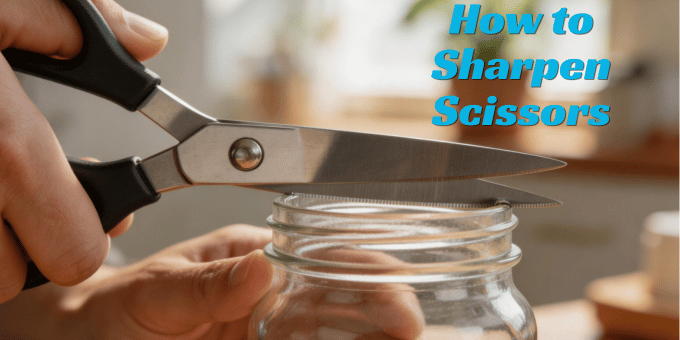
Scissors are one of the most used tools in homes, offices, and workshops, yet they are often taken for granted until they become dull. From cutting paper, fabric, and cardboard to opening packages, crafting, or even trimming hair, sharp scissors make everyday tasks faster, cleaner, and much more efficient.
Over time, repeated use can cause blades to lose their edge, resulting in uneven cuts, frayed materials, and unnecessary strain on your hands. Instead of spending money on replacements, learning how to sharpen scissors can save you time, preserve your tools, and even improve safety by reducing the effort required to cut.
In this complete guide, you’ll discover practical DIY methods using household tools, professional sharpening techniques for precision blades, maintenance tips to prevent dullness, and common mistakes to avoid everything you need to keep your scissors sharp, reliable, and ready for any task.
| Topic | Key Points |
| Why Sharp Scissors Matter | Clean, precise cuts; reduce hand fatigue; improve efficiency; prevent material damage; enhance safety |
| Signs Your Scissors Need Sharpening | Difficulty cutting; uneven or jagged edges; blades slipping; increased pressure needed; visible dullness or damage |
| DIY Sharpening Methods | Aluminum foil, sandpaper, sharpening stone, glass jar/bottle; ideal for minor dullness and household scissors |
| Household Tools for Sharpening | Aluminum foil, sandpaper, glass jars, steel wool, nail files; affordable and convenient |
| Professional Sharpening Techniques | Knife sharpeners, electric sharpeners, professional services; precise and ideal for specialized or expensive scissors; includes tips on how to sharpen scissors efficiently |
| Maintenance Tips | Clean after use, dry thoroughly, oil pivot joint, store safely, avoid cutting hard materials |
| Cleaning Scissors | Wipe with a damp cloth, use mild soap for sticky residue, dry completely, and apply light oil |
| Safety Tips | Handle blades carefully, keep fingers away, use gloves, work on a stable surface, store out of reach of children |
| Common Mistakes to Avoid | Incorrect sharpening angles, over-sharpening, too much pressure, ignoring blade alignment, and using unsuitable tools |
| Sharpening Frequency | Light use: every 6–12 months; Regular use: every 3–6 months; Heavy use: monthly or as needed; knowing how to sharpen scissors helps determine the right schedule |
| Choosing the Right Method | Household scissors: DIY; Fabric scissors: sharpening stones or professional; Hair scissors: professional only; Heavy-duty scissors: specialized tools |
| DIY vs Professional Sharpening | DIY: cost-effective, convenient, minor dullness; Professional: high precision, long-lasting, ideal for expensive tools |
| Conclusion | Learning how to sharpen scissors saves money, improves efficiency, enhances safety, and prolongs tool lifespan |
How to Sharpen Scissors?
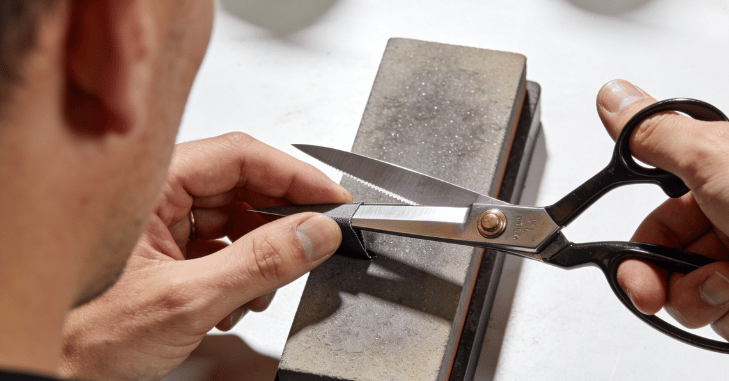
Knowing how to sharpen scissors is an essential skill for anyone who regularly uses scissors at home, in the office, or for professional tasks. Dull scissors can make cutting frustrating, damage materials, and even increase the risk of accidents.
Learning how to sharpen scissors properly allows you to restore the blades efficiently, whether through simple DIY methods using household tools, like aluminum foil or sandpaper, or with professional sharpening techniques for precision tools such as fabric or hair scissors.
Regularly practicing how to sharpen scissors not only keeps your blades sharp but also reduces hand fatigue, ensures clean and accurate cuts, and extends the lifespan of your scissors. Combined with proper maintenance, such as cleaning, oiling the pivot joint, and safe storage, knowing how to sharpen scissors helps you maintain reliable, high-performing tools ready for any cutting task.
Why Sharp Scissors Matter?
- Sharp scissors are essential for precision, safety, and ease of use.
- Dull blades can cause uneven cuts, require more effort, and increase the risk of accidents.
Benefits of sharp scissors
- Provide clean and precise cuts
- Reduce hand fatigue and effort
- Improve efficiency in tasks
- Prevent tearing or damaging materials
- Enhance safety by requiring less force
Signs Your Scissors Need Sharpening
Difficulty Cutting
One of the most noticeable signs is difficulty cutting through materials like paper or fabric. If your scissors struggle to make clean cuts, it’s a clear indication they need sharpening.
Uneven or Jagged Edges
If your cuts appear rough, jagged, or uneven, the blades are likely dull. Sharp scissors should produce smooth and clean edges without tearing.
Blades Slipping
When scissors begin to slip or fold the material instead of cutting it, this suggests the blades have lost their sharp edge and alignment.
Increased Pressure
Needing to apply extra force while cutting is another common sign. Sharp scissors should cut effortlessly with minimal pressure.
Visible Dullness or Damage
Inspecting the blades may reveal dull edges, nicks, or small chips. These imperfections reduce cutting efficiency and indicate it’s time for sharpening.
Easy DIY Methods to Sharpen Scissors
Aluminum Foil
- Fold a sheet of aluminum foil several times
- Cut through it repeatedly with your scissors
- Test sharpness on paper
- Helps realign blade edges and remove minor dullness
Sandpaper
- Fold the sandpaper with the rough side outward
- Cut through it multiple times
- Wiper blades are cleaned afterward
- Use medium-grit sandpaper for best results
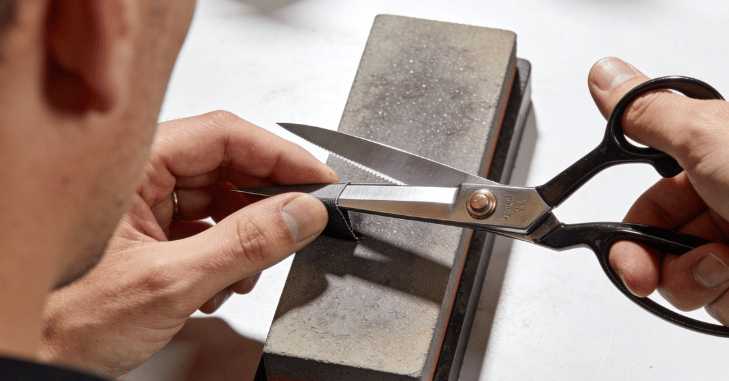
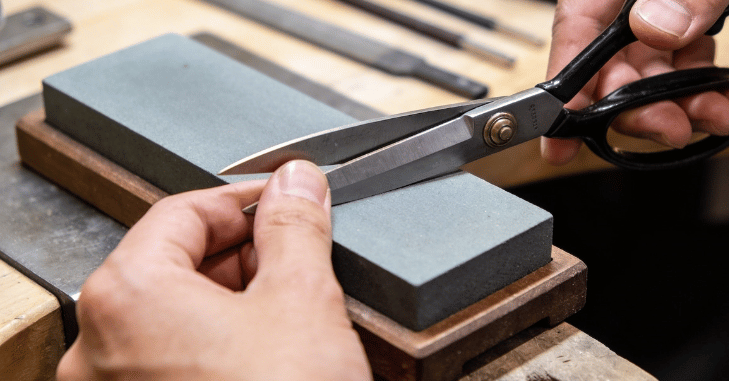
Sharpening Stone
- Open the scissors fully
- Place one blade flat against the stone
- Slide the blade across at a consistent angle
- Repeat for the other blade
- Provides precise and effective sharpening
Glass Jar or Bottle
- Open the scissors and place them around the rim
- Close and pull as if cutting
- Repeat several times
- Helps realign edges, but not suitable for heavily dull blades
Household Tools for Sharpening
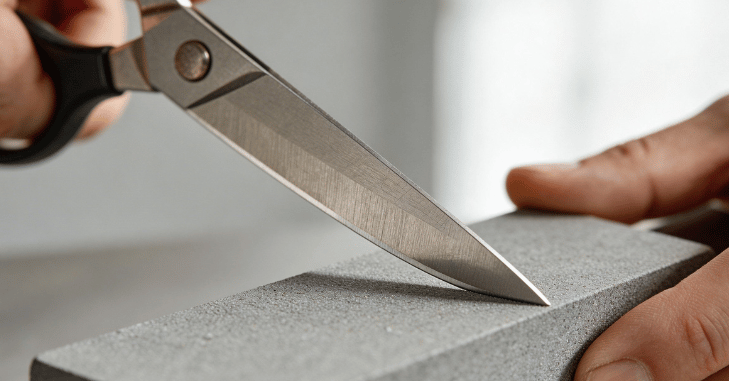
You likely already have several useful tools at home for sharpening scissors, including aluminum foil, sandpaper, glass jars or bottles, steel wool, and nail files. These everyday items are affordable, easy to use, and highly convenient for regular maintenance, helping keep your scissors sharp without the need for professional equipment.
Professional Sharpening Techniques
When your scissors are extremely dull or damaged, basic home sharpening methods may not be enough. Professional techniques provide more precise results, ensuring your scissors perform like new.
Using a Knife Sharpener
Some knife sharpeners are specifically designed to handle scissors. To use them, insert the scissor blade into the sharpener slot and pull it through gently several times. Always follow the manufacturer’s instructions carefully to avoid damaging the blades. This method is simple and effective for moderately dull scissors.
Electric Sharpeners
Electric sharpeners provide fast and consistent results, making them ideal for regular use or when sharpening multiple pairs of scissors.
- Fast and efficient: Sharpen scissors in a fraction of the time compared to manual methods.
- Even sharpening: Ensures both blades are uniformly sharpened for better cutting performance.
- Minimal effort required: Reduces strain on your hands and guarantees professional results at home.
Professional Sharpening Services
- Precision sharpening: Experts can restore the exact angle and sharpness of the blades.
- Blade repair and alignment: Professionals can fix nicks, bends, or misaligned blades.
- Longer lifespan for tools: Regular professional maintenance ensures your scissors last longer and maintain peak performance.
Maintenance Tips for Long-Lasting Blades
- Clean blades after each use
- Dry thoroughly to prevent rust
- Apply a drop of oil to the pivot joint
- Store in a dry, safe place
- Avoid cutting hard materials like metal or thick plastic
Importance of Proper Scissor Alignment
While learning how to sharpen scissors is essential, maintaining proper blade alignment is equally important for achieving smooth and accurate cutting performance. Even sharp blades will not work effectively if they are misaligned or loose at the pivot point. Over time, frequent use can cause the screw or joint of the scissors to loosen, leading to uneven pressure between the blades and causing materials to slip instead of being cleanly cut.
Regularly checking and tightening the pivot screw ensures both blades meet evenly, improving cutting precision and reducing strain on your hands. Proper alignment, combined with sharpening, helps extend the life of your scissors and keeps them functioning at their best for all types of tasks.
How to Clean Scissors Properly
- Wiper blades with a damp cloth
- Use mild soap for sticky residue
- Dry completely
- Apply light oil to prevent rust
Safety Tips When Sharpening Scissors
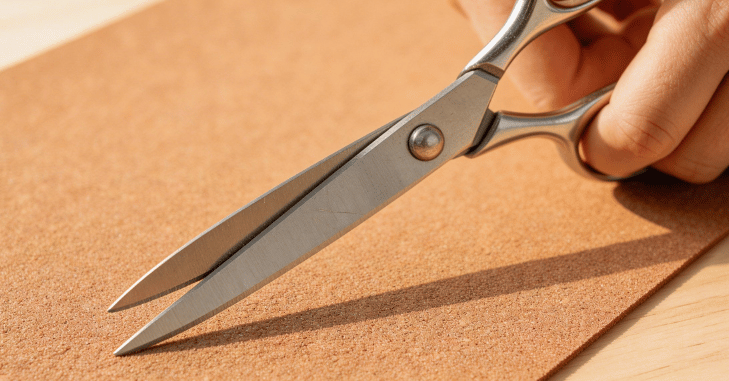
Sharpening scissors involves handling very sharp edges, so it’s important to follow safety precautions to avoid accidents.
Handle Blades Carefully
When learning how to sharpen scissors, always hold them with the handles, not the blades. This simple step minimizes the risk of cuts and ensures better control.
Keep Fingers Away from Cutting Edges
Make sure your fingers are never near the sharp edges during the sharpening process. Maintaining a safe distance prevents accidental injuries.
Use protective gloves.
Wearing protective gloves can provide an extra layer of safety, especially when working with very sharp or damaged scissors. Gloves also improve grip and control.
Work on a Stable Surface
Sharpen scissors only on a flat, secure surface. A stable workspace prevents slips, making the sharpening process safer and more precise.
Store Scissors Safely
After sharpening, store scissors in a dry, secure location out of the reach of children. Proper storage prevents accidents and keeps blades in good condition.
Common Mistakes to Avoid
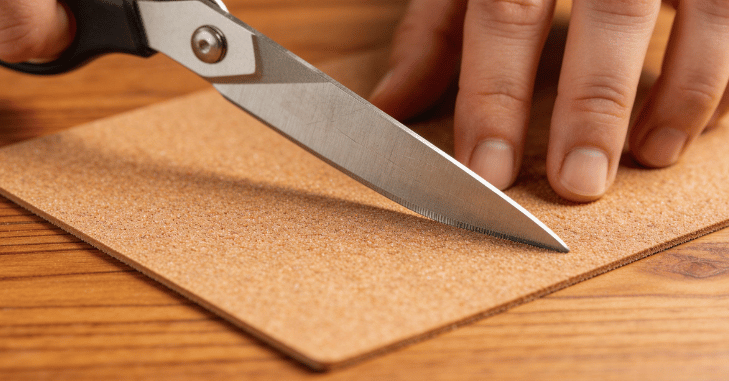
- Using incorrect sharpening angles
- Over-sharpening the blades
- Applying too much pressure
- Ignoring blade alignment
- Using unsuitable tools
How Often Should You Sharpen Scissors?
How often you should sharpen scissors depends on how frequently you use them. For light use, sharpening every 6–12 months is usually sufficient, while regular use may require sharpening every 3–6 months.
For regular use, learning how to sharpen scissors every 3–6 months is recommended. Heavy use, such as in professional settings, might necessitate sharpening monthly or as needed. Regular maintenance, like cleaning and oiling, can help keep blades sharp longer and reduce the need for frequent sharpening.
Choosing the Right Method
- Household scissors: DIY methods work well
- Fabric scissors: use sharpening stones or professionals
- Hair scissors: always use professional sharpening
- Heavy-duty scissors: require specialized tools
Benefits of DIY vs Professional Sharpening
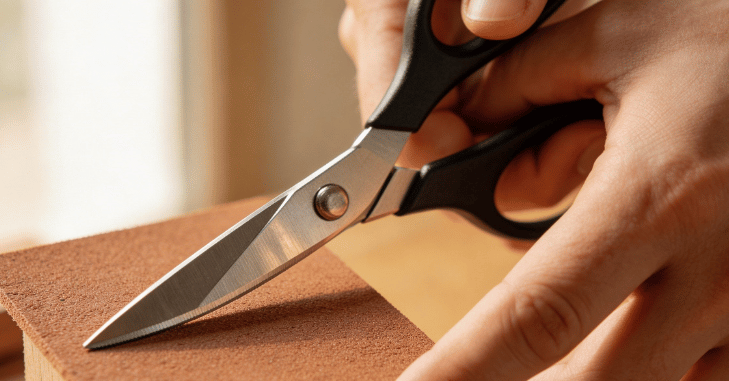
- Cost-effective
- Convenient
- Suitable for minor dullness
Professional Sharpening
- High precision
- Ideal for expensive tools
- Long-lasting results
Conclusion
Knowing how to sharpen scissors is an essential skill for anyone who wants clean, precise cuts and long-lasting tools. By combining easy DIY methods, household tools, and professional techniques, you can maintain sharp blades efficiently while saving money. Regular maintenance, proper storage, and following safety tips further enhance the lifespan and performance of your scissors.
Avoiding common mistakes and choosing the right sharpening method for each type of scissor ensures optimal results every time. Whether for home, office, or professional use, learning how to sharpen scissors properly keeps your tools reliable, safe, and ready for any task.
Want to know about How To Stop Ants From Invading Your Home This Summer Check out our Home Improvement category.
FAQs
Use a sharpening stone, 150–200 grit sandpaper, or cut through aluminum foil to sharpen the edge of your scissors at home.
The Twice as Sharp Complete Plus Package with Fine Diamond and Polishing Wheels is the perfect equipment for sharpening all shears and scissors.
Blades with burrs and nicks are different from dull ones, which can be fixed by amateur sharpening.
Aluminum is tough enough to remove all of it, but not hard enough to sharpen your blade. Thus, you take several aluminum foil layers.