

Summer is a great time for backyard barbecues, longer evenings, and more time at home, but it is also when ants seem to show up out of nowhere. One day your kitchen is fine, and the next day there is a trail of ants near the sink or along the bench.
This happens because ants become more active in warm weather and start searching harder for food and water. The good news is that you can reduce the chances of an invasion with a few simple habits and some smart prevention steps. If you are dealing with recurring seasonal issues, many homeowners start by learning more about Pest Control Sydney conditions and common summer pest patterns.
Why Ants Become More Active In Summer
Ants are active year-round, but summer often brings a noticeable increase in activity. Warm temperatures help them forage more often, which means worker ants leave the nest more frequently to search for food and moisture.
Ants are only the summer chapter of the story; a full set of seasonal pest control tips will tell you what to watch for in every other month of the year.
Dry weather can also push ants indoors, especially when water sources outside become limited. On the other hand, heavy rain can disturb nests and force ants to relocate, which may bring them closer to homes.
Once an ant finds a food source, it leaves a scent trail for other ants to follow. That is why a few ants can quickly become a steady trail. Even a tidy home can attract ants if there is easy access to water, crumbs, or sugary residue.
Maintaining a pest-free environment during the warmer months requires a comprehensive strategy that goes beyond simple surface cleaning. While ants are a frequent nuisance, other resilient insects often seek out the same moisture and food sources hidden within wall voids or under appliances. For homeowners dealing with more stubborn infestations, professional cockroach control Rockford provides a specialized approach to identifying these nesting sites and implementing long-term prevention methods. By sealing small cracks in the foundation and ensuring that crawl spaces remain dry, you can effectively disrupt the life cycles of various pests before they become established. Taking these proactive steps ensures your living space remains a comfortable sanctuary throughout the summer season.
What Attracts Ants Into Homes
Ants usually enter for one reason: survival. They are looking for food, water, and shelter, and our homes often provide all three.
Common indoor attractants include crumbs on floors, sticky spills on benchtops, unsealed pantry items, and pet food left out for too long. Bins are another big one, especially if the lid, rim, or surrounding floor is not cleaned regularly.
Moisture is just as important. Dripping taps, damp cupboards under sinks, wet dish racks, and bathroom humidity can all attract ants. In summer, even a little water can be enough to keep them coming back.
Outside the home, fallen fruit, compost bins, garden mulch, and rubbish areas can also attract ants. From there, they may enter through tiny gaps around doors, windows, pipe openings, or small cracks in walls and paving.
Early Signs Of An Ant Problem To Watch For
Seeing one ant does not always mean you have a major problem. Ants can wander in from outside, especially in warm weather. The warning sign is repeated activity.
Look out for ant trails appearing around the same spots each day, such as the kitchen sink, pantry, pet bowl area, or bathroom. You may also notice ants showing up in multiple rooms, which can suggest they have found several food or water sources.
Outside, small piles of dirt near paving cracks, garden edges, or wall joints may indicate nesting activity nearby. Catching these signs early makes prevention much easier.
Indoor Prevention Steps That Make A Big Difference
The best way to reduce ant activity indoors is to make your home less attractive to them. Small daily habits can have a big impact.
Start with the kitchen. Wipe benches, splashbacks, and dining tables after meals, especially if there are sweet or sticky foods involved. Sweep or vacuum floors regularly, paying attention to corners and under furniture where crumbs build up.
Store dry foods like cereal, sugar, biscuits, and pet treats in sealed containers. Ants can easily get into loosely closed packets. Rinse cans, bottles, and food containers before putting them in the recycling bin, and empty indoor bins often.
Pet food is another common issue. Try not to leave bowls out overnight, and clean the area around feeding spots. Even a few crumbs can attract a trail.
Water control matters too. Fix leaking taps, dry the sink before bed, and check under the sink for dampness. Ants are often drawn to moisture as much as food.
It also helps to clean behind appliances such as the fridge, toaster, and microwave where crumbs can sit unnoticed. A quick end of day kitchen clean can make a real difference during summer.
If ants keep returning despite good cleaning habits, it may be worth looking into residential pest control so the nest source can be identified properly.
Outdoor Prevention Steps Around The Home
A lot of ant problems start outside, so outdoor maintenance is just as important as indoor cleaning.
Trim plants, shrubs, and tree branches that touch external walls or the roofline. These can act like bridges for ants. Move stacked timber, cardboard, pots, and stored items away from the house where possible, as ants often nest underneath or around them.
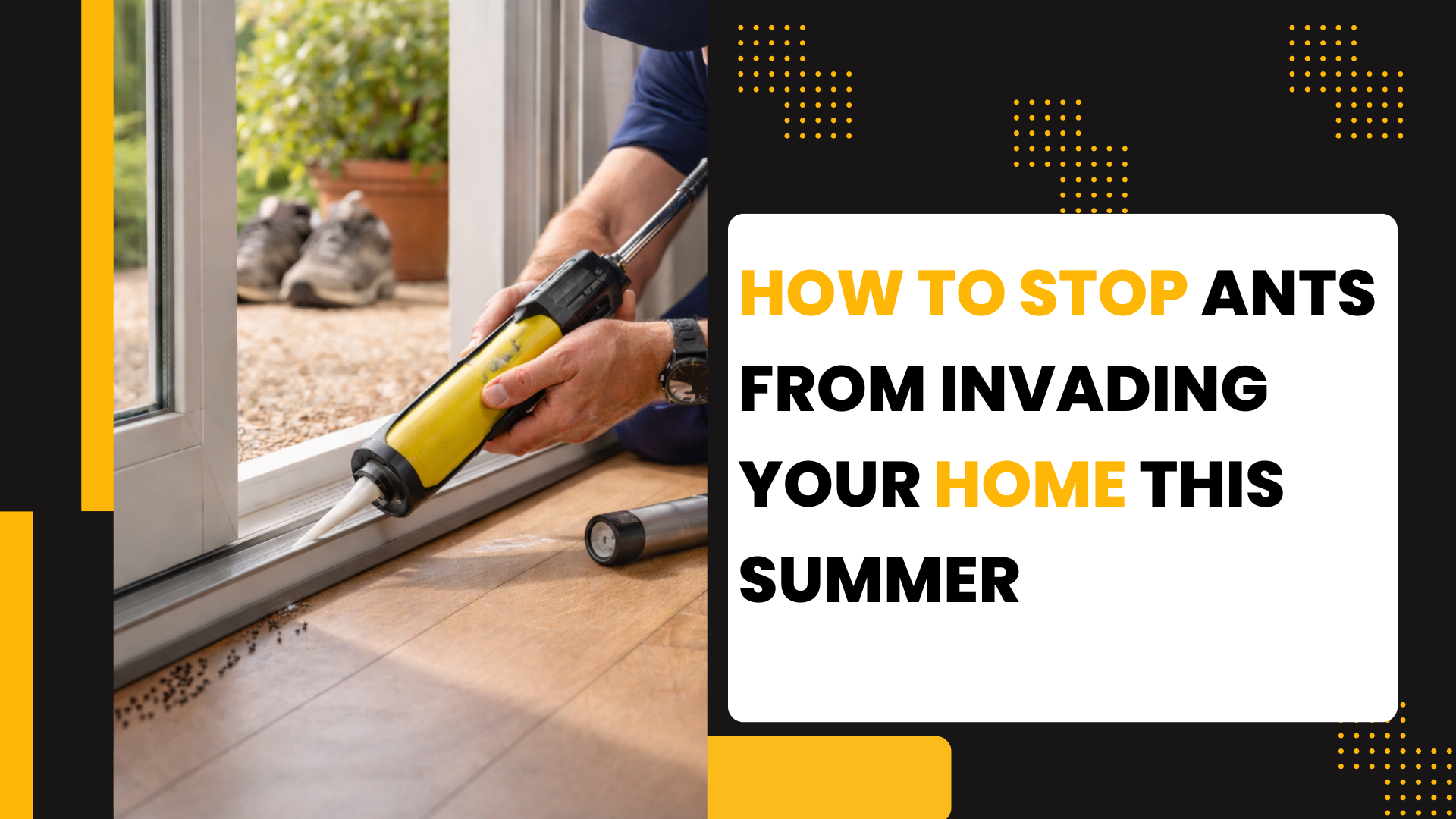
Check doors and windows for gaps. Worn door seals, damaged flyscreens, and small cracks around utility pipes can all give ants an easy way inside. Sealing entry points helps reduce repeat activity.
Keep outdoor bins closed and clean, and avoid letting rubbish build up near the house. If you have a garden, try not to overwater areas right against walls, as damp soil can attract pests. Also remove standing water from pot trays and outdoor containers.
Finally, inspect paving cracks, retaining wall joints, and paths near entrances. Ant nests often form in these sheltered spots, especially in hot weather.
Common DIY Mistakes That Can Make Ant Problems Worse
DIY products can help in some situations, but many people make the mistake of only treating the ants they can see. Spraying visible ants may remove the trail temporarily, but it often does not solve the nest problem.
Another common mistake is using several products at once. This can disrupt ant behaviour and cause colonies to split or move, which may spread activity to other areas of the home.
Poor bait placement can also reduce results. If bait is placed in the wrong spot or too close to strong cleaning chemicals, ants may avoid it altogether.
A calm, consistent approach usually works better than overdoing it with sprays.
When It Is Time To Get Professional Help
If ants keep coming back after cleaning, sealing entry points, and trying basic prevention steps, it may be time for professional help. Recurring activity usually means there is an established nest nearby, or a hidden access point you have not found.
You should also consider expert treatment if ants are appearing in large numbers every day, showing up in multiple rooms, or nesting in wall cavities, roof spaces, or around electrical areas.
Professional treatment is generally more effective because it targets both visible ant activity and the source colony. In some properties, especially mixed-use buildings, shared premises, or workplaces, recurring infestations may also require a broader commercial pest control approach to prevent ongoing re-entry.
Check For Other Pest Activity If Conditions Allow Ants To Thrive
If your home has ongoing moisture, food storage, or sanitation issues, ants may not be the only concern. The same conditions that attract ants can also attract other pests over time.
It is a good idea to look at the bigger picture and improve general pest prevention habits across the home. This can include sealing gaps, reducing clutter, and managing food and waste more carefully. In some cases, households also review related services like rodent pest control when signs point to broader pest pressure.
Conclusion
Ants are a common summer problem, but they do not have to take over your home. Most invasions start with easy access to food, water, and entry points, which means prevention can go a long way.
By keeping surfaces clean, storing food properly, managing moisture, and improving outdoor maintenance, you can make your home much less inviting to ants. The key is consistency. Small actions done regularly are often what keeps a minor ant issue from turning into a bigger summer infestation.