


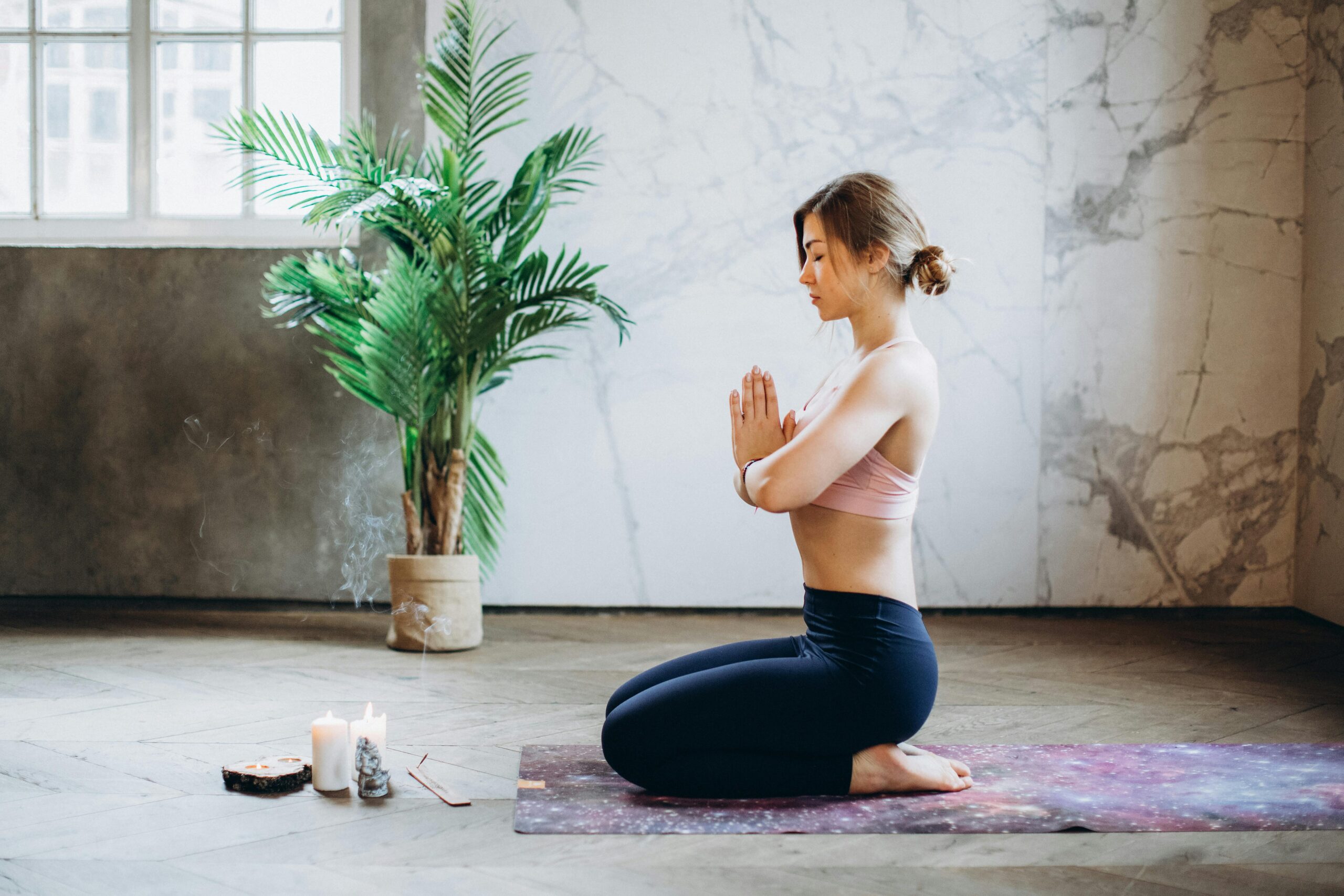
Anxiety doesn’t always knock on the door loudly. Sometimes, it slips in quietly and becomes part of your everyday life. It shows up as restlessness, a racing mind, shallow breathing, or that sense of being on edge for no clear reason. For many people, this constant hum of worry becomes so familiar that they forget what peace even feels like.
But you don’t have to live that way. While anxiety is complex and deeply personal, there are strategies that can help quiet the mental noise. From cutting-edge therapies to simple daily habits, here are nine ways to begin reclaiming your calm.
1. Tune Into Your Body: Recognize the Signs Early
Anxiety often begins in the body before it fully reaches your thoughts. You may notice your shoulders tightening, your jaw clenching, or your chest feeling heavy. These physical signs are the body’s early warning system, telling you something’s off.
Instead of brushing these signals aside, start checking in with yourself regularly. Pause for a moment and ask how your body feels. This practice of tuning in can make you more aware of when stress is building up. It also gives you the chance to respond early—before anxiety becomes overwhelming.
2. Explore Neuromodulation Therapies
For those who’ve already tried the usual paths and still feel stuck, neuromodulation therapies offer a promising alternative. These treatments use gentle stimulation to help regulate brain activity, aiming to bring your nervous system back into balance.
One example is Alpha Stim Therapy, a non-invasive device that uses cranial electrotherapy stimulation (CES). With small clips placed on your earlobes, it delivers a subtle electrical current to influence the brain’s alpha waves. People who use Alpha-Stim often describe a noticeable sense of calm after just one session. Over time, it can help manage symptoms of anxiety, insomnia, and even depression.
The best part is that it doesn’t rely on medication, so there are no chemical side effects or dependency risks. For many, it becomes a safe and effective part of a long-term mental health toolkit.
3. Reclaim Routine: Structure Calms the Storm
When life feels uncertain, having a routine can offer a sense of control. Anxiety thrives on unpredictability. A structured day brings order to your mind and reduces the pressure of constant decision-making.
You don’t need to create a rigid schedule. Start with small habits. Wake up and go to bed at the same time each day. Create morning and evening rituals that bring a sense of ease, like making tea or reading a few pages of a book. Even organizing your workspace or planning your meals can reduce background stress. With regularity, your nervous system begins to relax, knowing what to expect.
4. Cut Down the Noise: Limit Media and Digital Overload
Your brain wasn’t built to process an endless stream of bad news, filtered images, and notifications. Yet that’s what most of us feed it, all day long. When you constantly absorb negative or overwhelming content, your stress levels rise—even if you don’t realize it.
Try curating your media intake the same way you’d curate your meals. Choose what you watch, read, or scroll through. Set boundaries. Take breaks from social media or limit news exposure to once a day.
5. Move with Purpose: Exercise as Natural Medicine
Exercise doesn’t just change your body; it changes your brain. Physical movement increases endorphins and helps regulate stress hormones like cortisol. It also boosts mood and improves sleep—two things anxiety often disrupts.
You don’t need to commit to long workouts. A 20-minute walk, light stretching, or dancing can be enough to shift your mindset. Making movement part of your day helps break the loop of anxious thinking and reconnects you to the present.
6. Say It Out Loud: Talk Therapy and Journaling
When anxiety fills your head with worry, talking about it can make a difference. You don’t need to wait until things feel unmanageable. A trained therapist can help you identify patterns and offer tools that actually work for your specific situation. You can openly talk about your feelings without fear of judgement.
But even outside of therapy, writing your thoughts down can be just as powerful. Journaling gives your mind a safe outlet. When thoughts are racing, putting them on paper helps slow them down. It also gives you a chance to look at your worries more objectively. Over time, you might start to see patterns—triggers, recurring fears, or situations that need change.
7. Learn to Breathe on Purpose: Relaxation Techniques That Work
Breathing is something we do automatically, but when we do it with intention, it becomes a powerful tool against anxiety. Stress causes shallow, rapid breathing that signals the brain to stay alert. Controlled breathing does the opposite; it signals that you’re safe.
One simple method is diaphragmatic breathing. It encourages deep belly breaths that activate the body’s relaxation response. Practicing this technique and others, such as box breathing, daily helps train your body to stay calm, even during stressful moments.
8. Focus on Your Sleeping Environment
Sleep and anxiety have a complicated relationship. Poor sleep increases anxiety, and anxiety makes it harder to sleep. But quality rest isn’t just about quantity—it’s about routine and environment.
Your bedroom should be dark, cool, and quiet. Put away screens at least 30 minutes before bedtime. Blue light from phones and TVs can disrupt melatonin production, making it harder to wind down.
Even small improvements in sleep can lead to big shifts in your mood and energy during the day.
9. Say Yes to Saying No: Boundaries Reduce Burnout
Anxiety often stems from being stretched too thin. Overcommitting, people-pleasing, and constantly saying yes to avoid conflict can quietly drain your emotional energy. Without boundaries, your time and attention are always up for grabs.
Learning to say no is an essential form of self-care. It doesn’t have to come with guilt. It simply means you’re honoring your limits. You don’t have to explain or apologize. Practice a kind but firm response. Protecting your peace means knowing that your mental health matters just as much as anyone else’s needs.
Building a Life That Feels Lighter
Anxiety doesn’t vanish overnight, but it also doesn’t have to rule your life. With awareness, curiosity, and consistent effort, you can create a life where peace is not just a distant hope—it’s part of your everyday rhythm. The strategies shared here can help you reconnect with yourself. Every small shift builds resilience, and every new habit adds a layer of calm. Embrace the process and take the first step towards a more peaceful life now!
Apart from that if you want to know about How Exposure Therapy Reduces Panic Symptoms then please visit our Health Category.