


Apartment complexes have become more than just places to live—they are communities where residents expect comfort, convenience, and above all, safety. As multifamily properties grow in size and complexity, so do the challenges associated with protecting them. Property managers must address a wide range of concerns, from unauthorized access to digital vulnerabilities, all while maintaining a welcoming environment.
Effective security in these settings requires a thoughtful balance between visibility and discretion. It’s not simply about installing cameras or gates; it’s about creating a cohesive system that supports both safety and everyday living.
Understanding the Security Challenges of Multifamily Housing
Apartment complexes present unique security challenges due to their shared spaces and high resident turnover. Common areas such as parking garages, hallways, and recreational facilities are difficult to monitor consistently, especially in larger properties.
Additionally, the presence of multiple access points increases the risk of unauthorized entry. Visitors, delivery personnel, and service providers all move through the property regularly, making it harder to maintain strict control without disrupting daily routines.
Building a Layered Security Approach
Access Control and Entry Management
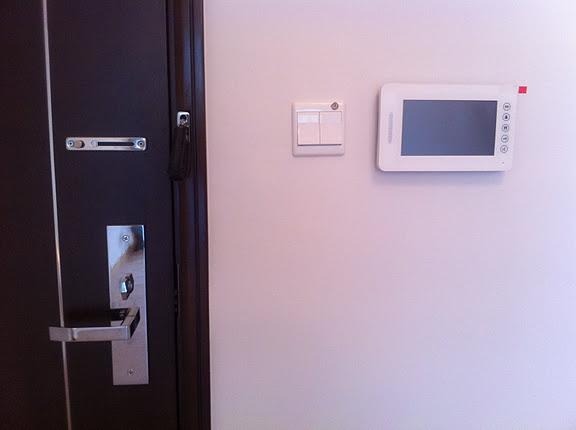
Controlling who enters and exits the property is a fundamental aspect of security. Modern access systems use keycards, mobile credentials, or biometric verification to restrict entry to authorized individuals. These tools provide both convenience and accountability, allowing property managers to track access activity when needed.
Strategically placed entry points, combined with secure locking mechanisms, help create a controlled environment without making residents feel restricted.
Surveillance and Monitoring Systems
Surveillance systems play a crucial role in maintaining visibility across the property. Cameras positioned in high-traffic areas and vulnerable locations provide real-time insights and recorded evidence when incidents occur.
When integrated with monitoring services, these systems enable faster response times and improved coordination. This proactive approach helps prevent issues before they escalate.
Specialized Security Solutions for Apartment Complexes
Generic security measures often fall short in multifamily environments. The combination of shared spaces and diverse resident needs requires tailored solutions that address specific challenges. Many property managers explore services like Pioneer Security for apartment complexes to implement systems designed for these settings.
These solutions typically include customized monitoring strategies, risk assessments, and integrated technologies that align with the operational demands of multifamily properties. By focusing on the unique characteristics of apartment communities, they provide more effective and reliable protection.
Addressing Cybersecurity in Residential Communities
As apartment complexes adopt smart technologies, cybersecurity becomes an increasingly important consideration. Systems that manage access control, surveillance, and resident data must be protected against digital threats.
Practical guidance found in resources like cybersecurity strategies for modern businesses highlights the importance of securing networks, updating software, and educating users. Applying these principles helps safeguard both operational systems and resident information.
Learning from Broader Security Research
Security strategies in multifamily housing can benefit from insights drawn from broader research and analysis. Studies such as this research on security and risk management practices emphasize the value of layered defenses and continuous evaluation.
These findings reinforce the idea that effective security is not static. It requires ongoing assessment and adaptation to address new challenges and evolving risks.
Balancing Safety with Resident Experience
One of the most important aspects of apartment security is maintaining a positive living experience. Residents want to feel safe, but they also value convenience and privacy. Overly intrusive measures can create frustration and reduce satisfaction.
Thoughtful implementation is key. Discreet surveillance, user-friendly access systems, and clear communication help create a sense of security without disrupting daily life. When done well, security becomes a seamless part of the community.
The Role of Staff and Community Awareness
Property management teams and residents both play a role in maintaining security. Staff members should be trained to recognize potential risks and respond appropriately, while residents should be encouraged to report concerns and follow community guidelines.
Building a culture of awareness strengthens the overall security framework. When everyone is engaged, the system becomes more effective and resilient.
Planning for Growth and Future Needs
As apartment complexes expand or adopt new technologies, their security systems must evolve accordingly. Scalability is an essential consideration, ensuring that systems can adapt without requiring major overhauls.
Investing in flexible solutions allows property managers to accommodate growth while maintaining consistent protection. This forward-looking approach supports long-term efficiency and cost management.
Conclusion
Security in apartment complexes is a multifaceted challenge that requires careful planning and execution. By combining access control, surveillance, cybersecurity, and community involvement, property managers can create environments that are both safe and welcoming.
A well-designed security strategy not only protects residents and assets but also enhances the overall quality of living. With the right approach, apartment communities can offer peace of mind while maintaining the comfort and convenience that residents expect.
Apart from that, if you want to know more about API Integration Best Practices for Modern SaaS Products then visit our Tech category.