

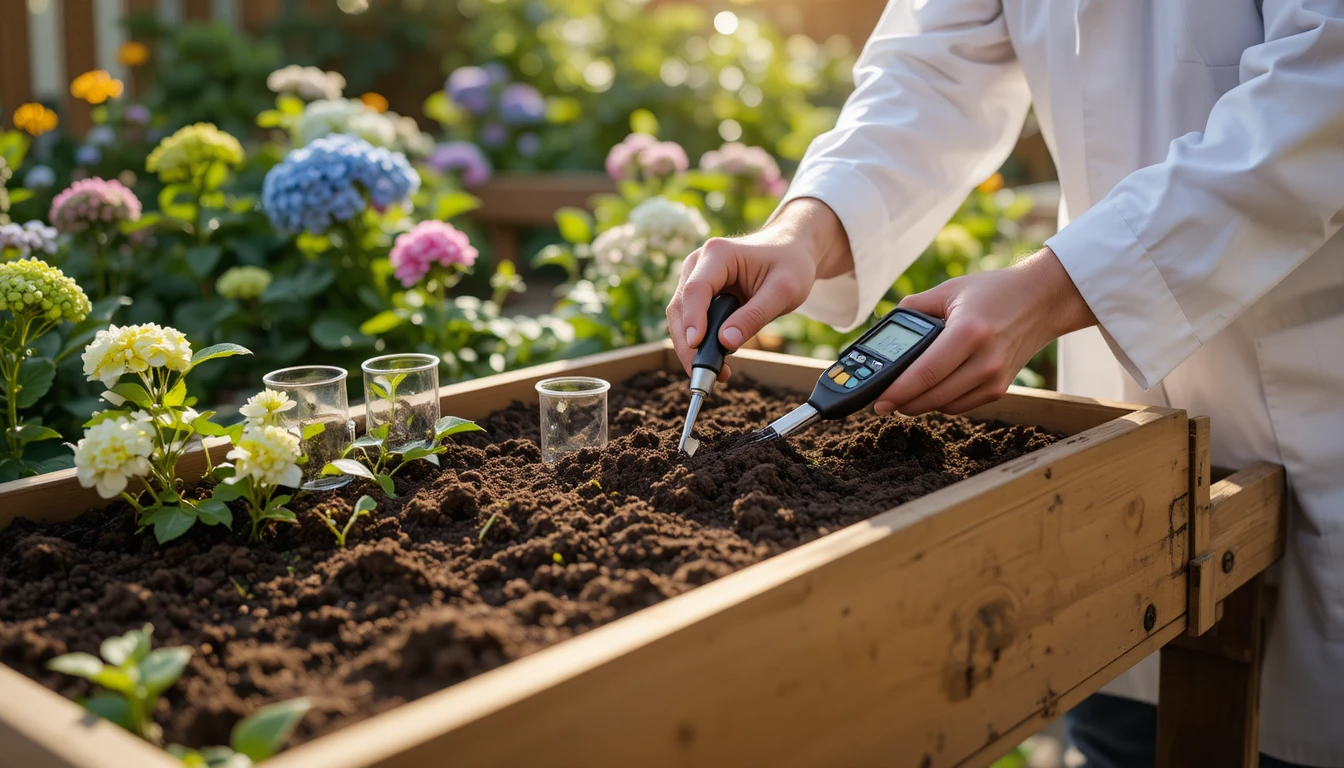
Understanding how to Naturally Make Soil More Acidic is essential for gardeners who want to grow acid-loving plants successfully. Many popular plants, such as blueberries, azaleas, and hydrangeas, thrive in acidic conditions, and without the right soil pH, they may struggle to absorb nutrients effectively.
This guide on How to Make Soil More Acidic Naturally? provides a comprehensive, practical approach to improving soil acidity using natural, organic methods. From simple household materials to long-term soil care strategies, you’ll learn everything needed to create the perfect growing environment while maintaining soil health.
It also helps you understand how different materials interact with soil over time, ensuring balanced and effective results. By following these methods, you can support healthier plant growth while avoiding harmful chemical solutions. Ultimately, this approach promotes sustainable gardening practices that benefit both your plants and the environment.
| Method | Type | Speed of Results | Best Use Case | Key Benefits | Important Tips |
| Compost | Organic | Slow | General soil improvement | Enhances nutrients and soil structure | Apply regularly and mix well into the soil |
| Coffee Grounds | Organic | Moderate | Small gardens, home use | Adds mild acidity and organic matter | Use in moderation to avoid imbalance |
| Pine Needles | Organic | Slow | Mulching and long-term care | Retains moisture and gradually lowers pH | Spread evenly as a top layer |
| Leaf Mold | Organic | Slow | Garden beds and landscaping | Improves soil texture and fertility | Allow leaves to decompose fully before use |
| Peat Moss | Organic | Moderate | Containers and raised beds | Naturally acidic and improves water retention | Mix thoroughly with existing soil |
| Vinegar Solution | Natural (Liquid) | Fast (Temporary) | Quick pH adjustment | Immediate effect on soil acidity | Dilute properly and avoid overuse |
| Elemental Sulfur | Natural Mineral | Slow | Long-term pH control | Highly effective and lasting results | Apply in small, measured amounts |
| Organic Mulch | Organic | Slow | Surface protection and soil care | Maintains moisture and supports acidity | Reapply periodically for best results |
Understanding Soil pH and Its Importance
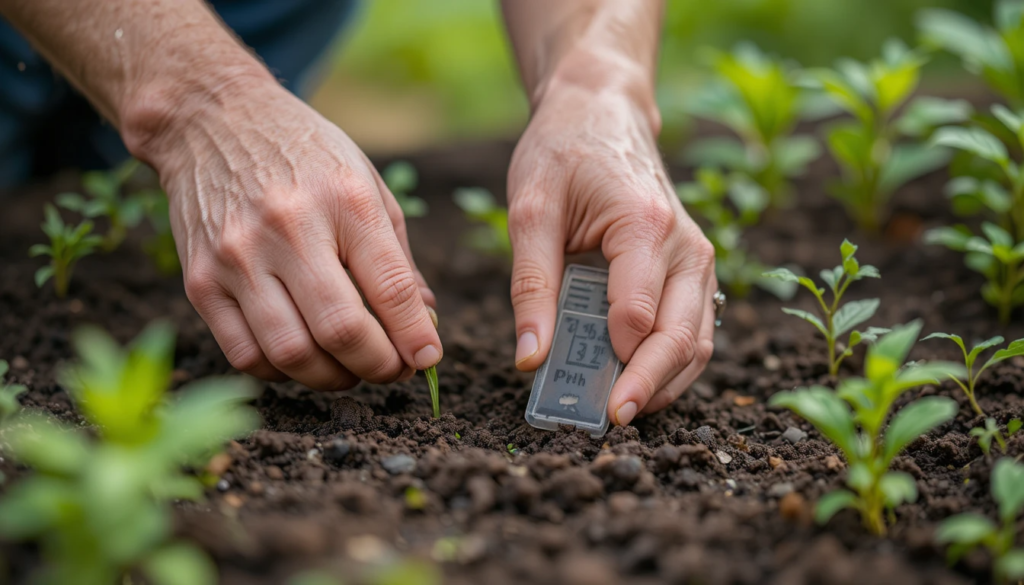
Soil pH measures how acidic or alkaline your soil is on a scale of 0 to 14. A pH below 7 is considered acidic, while a pH above 7 is alkaline. Most plants prefer slightly acidic to neutral soil, but certain species require more acidic conditions to thrive.
Why Soil Acidity Matters
- Enhances nutrient availability for plants
- Improves root development
- Supports beneficial soil microorganisms
- Prevents nutrient deficiencies
When soil is too alkaline, essential nutrients like iron and phosphorus become less available, leading to poor plant growth.
Signs Your Soil Needs to Be More Acidic
Before applying any methods, it’s important to determine whether your soil actually needs adjustment. Several common indicators can signal that the pH level is too high and requires correction. These include yellowing leaves (chlorosis), which often indicate nutrient deficiencies, as well as stunted plant growth and poor flowering or fruiting.
You may also notice difficulty in growing acid-loving plants, which typically struggle in alkaline conditions. When these signs appear together, they strongly suggest that the soil pH is too high and should be lowered for healthier plant growth.
How To Make Soil More Acidic Naturally?
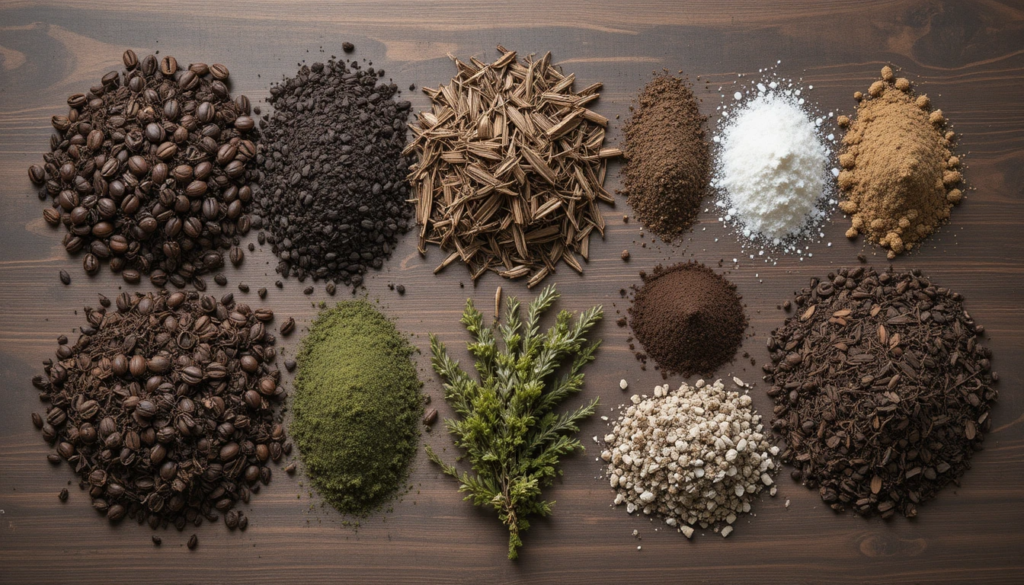
Learning How To Make Soil More Acidic Naturally involves using organic materials that gradually adjust pH without harming soil health. Below are the most effective and proven methods.
1. Use Organic Compost
Compost is one of the safest and most beneficial ways to improve soil acidity over time. Organic matter slowly breaks down, releasing mild acids that enhance soil structure.
- Adds nutrients naturally
- Improves soil texture
- Supports microbial activity
Regularly using compost creates a balanced, sustainable environment for plants.
2. Add Coffee Grounds
Used coffee grounds are slightly acidic and can help lower soil pH when applied correctly.
- Mix into the top layer of soil
- Avoid overuse to prevent imbalance
- Combine with compost for better results
This method is easy, cost-effective, and environmentally friendly.
3. Apply Pine Needles or Leaf Mulch
Pine needles and certain leaf mulches gradually increase soil acidity as they decompose.
- Ideal for long-term pH adjustment
- Helps retain soil moisture
- Prevents weed growth
This method works best when applied consistently over time.
4. Use Vinegar Solution (Short-Term Fix)
A diluted vinegar solution can temporarily lower soil pH.
- Mix 1 tablespoon of vinegar with 1 gallon of water
- Apply sparingly to avoid harming plants
- Use only for quick adjustments
This method is not suitable for long-term soil management but can be useful in urgent situations.
5. Incorporate Peat Moss
Peat moss is naturally acidic and widely used in gardening.
- Mix into the soil before planting.
- Improves water retention
- Provides gradual pH reduction
It is especially effective for container gardening and raised beds.
6. Add Sulfur (Natural Mineral Option)
Although sulfur is a mineral, it is considered a natural soil amendment.
- Slowly lowers soil pH over time.
- Requires microbial activity to activate
- Best applied in small amounts
This method is highly effective but requires patience.
Natural Methods to Increase Soil Acidity
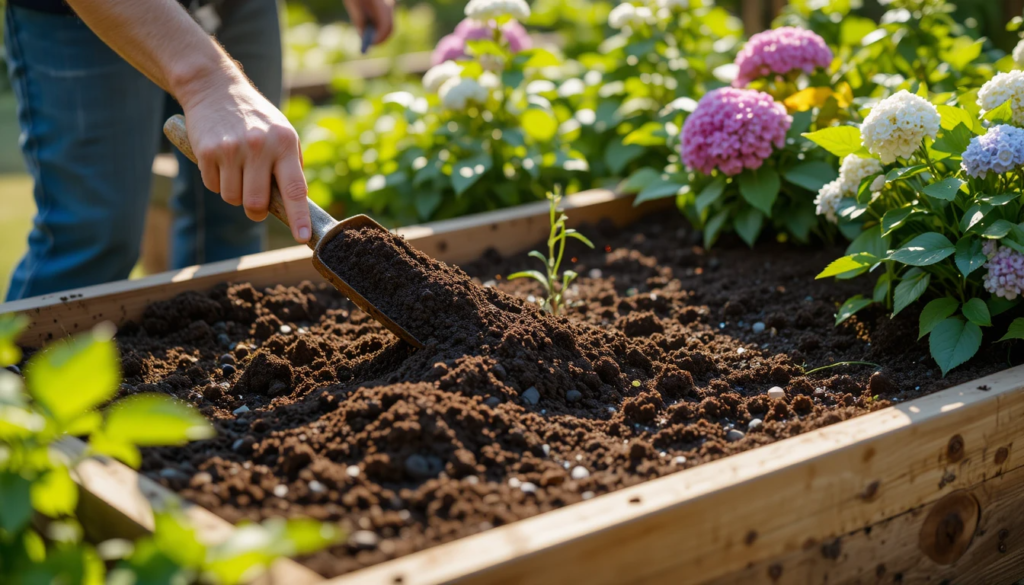
| Method | Speed of Results | Best For | Application Tips |
| Compost | Slow | General soil improvement | Apply regularly and mix into the soil |
| Coffee Grounds | Moderate | Small garden areas | Use in moderation and combine with compost |
| Pine Needles | Slow | Mulching and long-term use | Spread evenly as a top layer |
| Vinegar Solution | Fast (Temporary) | Quick fixes | Dilute properly and apply sparingly |
| Peat Moss | Moderate | Containers and beds | Mix thoroughly with the soil |
| Sulfur | Slow | Long-term pH control | Apply in small, measured amounts |
This table provides a quick comparison to help you choose the right method based on your needs.
Choosing the Right Method
Selecting the best method depends on your soil condition, the type of plants you are growing, and the results you want to achieve. Several important factors should be considered, including the current soil pH level, which determines the amount of adjustment needed, and the specific plant requirements, since different plants thrive at different acidity levels.
The timeframe for results also matters, as some methods work quickly while others take longer to show effects. Additionally, soil structure and composition play a key role in how effectively amendments will work. In many cases, combining multiple methods provides the most balanced and effective results for improving soil acidity.
Common Mistakes to Avoid
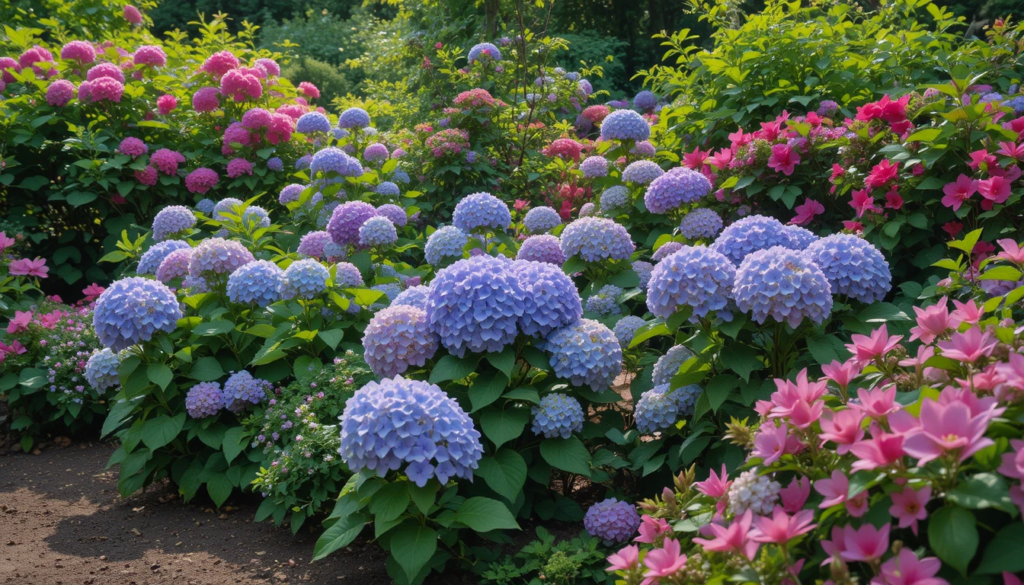
Even when learning how to make soil more acidic naturally, mistakes can hinder progress.
- Over-acidifying the soil
- Applying materials unevenly
- Ignoring soil testing
- Using too many methods at once
Avoiding these errors helps maintain balance and prevents damage to plants.
Importance of Gradual Soil pH Adjustment
Maintaining the right soil pH is a gradual process that requires consistency rather than quick fixes. Instead of relying on a single amendment, gardeners often achieve better results by combining organic methods such as composting, mulching, and the careful use of natural acidifiers over time.
It is also important to observe how plants respond after each adjustment, as different soil types react differently depending on their mineral content and drainage capacity. Sandy soils may change pH more quickly, while clay-rich soils often require longer periods to show noticeable improvement. By making small, controlled adjustments and allowing the soil ecosystem to stabilize, gardeners can create a healthier and more resilient growing environment that supports long-term plant success.
Benefits of Natural Soil Acidification
Using organic methods provides several advantages over chemical alternatives, making them a preferred choice for sustainable gardening. These approaches are environmentally friendly and help improve overall soil health by enhancing its structure and nutrient content.
They are also safe for plants and beneficial microorganisms, ensuring a balanced ecosystem within the soil. Additionally, organic methods offer sustainable, long-term results rather than quick but temporary fixes. Overall, natural approaches align perfectly with eco-friendly gardening principles while supporting healthier plant growth.
Seasonal Considerations
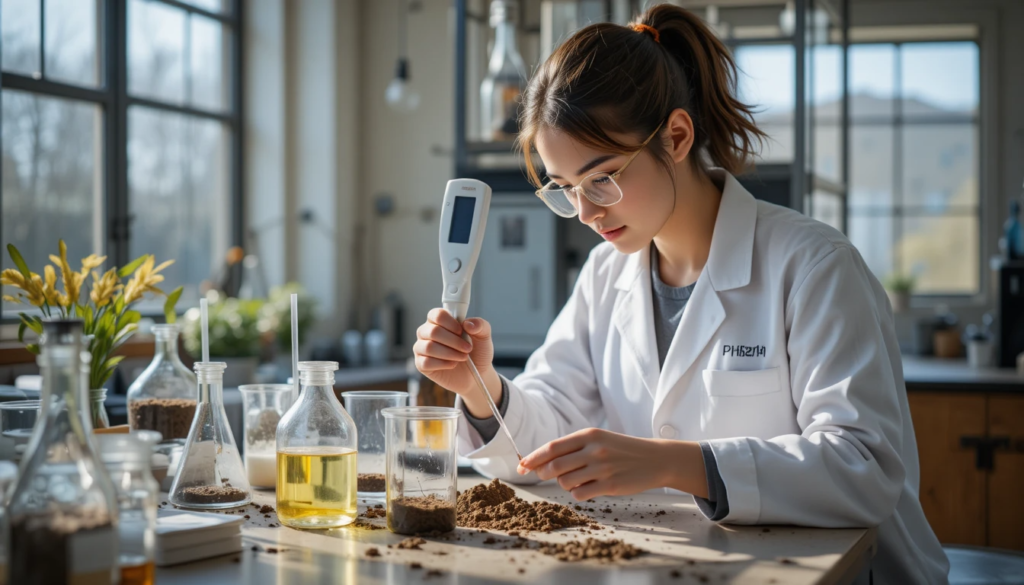
Timing is important in soil treatment.
- Apply amendments in early spring or fall
- Avoid extreme weather conditions
- Allow time for materials to break down
Proper timing enhances effectiveness.
Conclusion
Mastering How To Make Soil More Acidic Naturally is a valuable skill for any gardener looking to improve plant health and productivity. Using organic materials such as compost, coffee grounds, pine needles, and peat moss, you can safely and effectively adjust soil pH without harming the environment.
Understanding soil needs, avoiding common mistakes, and maintaining consistent care are key to long-term success. With patience and the right techniques, you can create the perfect acidic environment for your plants to thrive.
Want to know about Best Drought-Resistant Tree Species for Australian Backyards Check out our Home Improvement category.
Frequently Asked Questions (FAQs)
Natural methods can take weeks to months, depending on the material used and soil conditions.
Compost is considered the safest and most beneficial method for long-term soil health.
No, only certain plants prefer acidic conditions, while others thrive in neutral or alkaline soil.
Testing every few months is recommended to maintain optimal pH levels.