


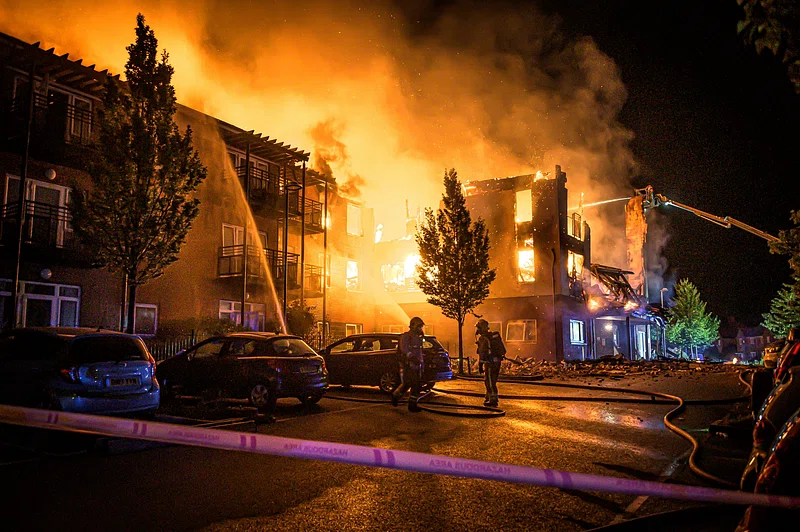
Restoration services for flood and fire cover everything that happens after the emergency itself: removing water or soot, drying and cleaning the structure, stopping mold and odor, and rebuilding what cannot be saved. The first 24 to 48 hours matter most, because that is when water wicks into walls and mold can begin to grow, and when acidic smoke residue starts to etch and stain surfaces. Act quickly, document everything and choose a certified provider, and most homes and businesses can be returned to normal use with less rebuilding than owners expect.
If you are looking for restoration services for flood and fire, it pays to understand what the work involves, the order it should happen in, and how to judge a company before you sign anything. This guide walks through each stage, with a focus on Florida’s Gulf Coast, where storms, heavy rain and humid air make fast, controlled drying especially important.
Why flood and fire damage are often handled by one company
Flood and fire seem like opposites, but in practice they overlap. Firefighters can put thousands of gallons of water into a building, so almost every serious fire leaves water damage behind as well as smoke and char. A burst pipe or storm surge, on the other hand, can short out wiring and create a fire risk of its own.
Using a single contractor that handles both means one inspection, one moisture and damage map, one scope of work for the insurer and one point of contact, instead of two crews working around each other and arguing over which damage belongs to whom. Flood Pros USA, based in Bradenton, Florida, is one example of a provider that offers both services around the clock, including weekends and public holidays, and manages the job from the first assessment through to the point where the property can be lived in or reopened.
What to do in the first hours after a flood or fire
What you do before the restoration crew arrives can reduce both the damage and the final bill. Safety always comes first, so only do what you can do without putting yourself at risk.
- Stay out until it is safe. After a fire, wait until the fire department clears the building. After a flood, do not walk into standing water if the power may still be on.
- Shut off power and water if you can do so safely. Turn off the main breaker from a dry spot and close the main water valve if a pipe has burst.
- Photograph and video everything before anything is moved or thrown away, including serial numbers on appliances and the high-water line on walls. Insurers rely heavily on this record.
- Call your insurer and a restoration company. Most policies expect you to take reasonable steps to prevent further damage, and emergency mitigation is usually part of that.
- Move valuables and documents to a dry, clean area. Lift furniture legs onto foil or wood blocks so wet carpet does not stain them.
- Leave soot alone. Wiping soot with a damp cloth can smear it into paint and fabric permanently. Trained technicians use dry sponges and HEPA vacuums first.
- Do not run the HVAC system after a fire or a sewage backup until it has been inspected, because it can spread soot, odor or contaminants through the whole building.
How flood and water damage restoration works
Professional water restoration in the US generally follows the IICRC S500 standard, published by the Institute of Inspection, Cleaning and Restoration Certification. A good crew will explain each step as it happens and show you their readings.
1. Inspection and water category
Technicians find the source and classify the water. Category 1 is clean water, such as a broken supply line. Category 2 is gray water, such as a washing machine or dishwasher overflow. Category 3 is black water, which includes outside floodwater, storm surge and sewage. Category 3 water means porous materials it touched, such as carpet pad and the lower section of drywall, usually have to be removed rather than dried. Clean water can also degrade to a higher category if it sits for days, which is another reason speed matters.
2. Water extraction
Truck-mounted or portable pumps and extractors remove standing water and as much as possible from carpets and pads. Getting bulk water out quickly shortens drying time considerably, because evaporating water with air movers takes far longer than pumping it out.
3. Removal of unsalvageable materials
Soaked carpet pad, insulation and swollen particleboard are removed and disposed of. Drywall is often cut a set height above the water line so the wall cavity behind it can dry. Drapes, rugs and upholstery may be sent for specialist cleaning or replaced, depending on the water category and how long they were wet.
4. Structural drying and dehumidification
Industrial air movers and dehumidifiers run continuously, typically for three to five days, and longer for dense materials such as hardwood or concrete, or for heavy saturation. Technicians should take moisture readings daily and keep a written drying log. In humid Florida weather, mechanical dehumidification is essential: opening windows on a muggy day can add moisture to the building rather than remove it.
5. Cleaning, sanitizing and mold prevention
Affected surfaces are cleaned and treated with antimicrobial products. If mold has already started, remediation follows containment procedures under the IICRC S520 standard to stop spores spreading to clean areas. Florida licenses mold assessors and mold remediators separately, so ask whether the company, or a partner it uses, holds the relevant state license.
6. Repairs and reconstruction
Once moisture readings confirm materials are dry, new drywall, flooring, baseboards and paint go in. Structural repairs to subfloors, framing or cabinets are handled at this stage too. Closing up walls before they are dry is one of the most common causes of hidden mold later, so do not let anyone rush this step.
How fire and smoke damage restoration works
Fire restoration follows a similar logic, guided by the IICRC S700 standard for fire and smoke damage, but the problems are different: soot, acidic residue, odor and heat damage to the structure. Residue left on metal, glass and stone can cause pitting and discoloration within days, so cleaning starts as soon as the building is safe.
- Securing the property: boarding up windows and doors and tarping the roof to prevent weather damage and break-ins.
- Structural assessment: checking framing, roof members and floors for heat damage before crews work inside.
- Water removal and drying: dealing with the firefighting water, as described above.
- Soot and smoke cleaning: dry sponges, HEPA vacuums and cleaners suited to the residue. Protein fires from kitchens leave a thin, greasy film that smells strongly, while burning synthetic materials leaves heavier black soot.
- Odor removal: thermal fogging, hydroxyl generators or ozone treatment, plus cleaning of HVAC ducts. Ozone must only be used in unoccupied spaces.
- Contents cleaning or pack-out: salvageable belongings are inventoried, packed and cleaned off site, then returned when the building is ready.
- Rebuild: replacing charred materials, sealing surfaces with odor-blocking primer and restoring finishes.
Flood vs fire restoration at a glance
| Flood and water damage | Fire and smoke damage | |
|---|---|---|
| Main risks | Mold, rot, warped floors, electrical hazards | Structural weakening, soot corrosion, lingering odor |
| Urgent first step | Stop the source, extract water | Secure the building, assess the structure |
| Key equipment | Pumps, air movers, dehumidifiers, moisture meters | HEPA vacuums, soot sponges, air scrubbers, deodorization units |
| Industry standard | IICRC S500 (mold: S520) | IICRC S700 |
| Typical drying or cleaning phase | Several days of drying before repairs | Days to weeks depending on how far smoke spread |
| Insurance note | Outside flooding usually needs separate flood coverage | Usually covered under standard homeowners or business policies |
A realistic restoration timeline
Every job is different, but most follow a similar sequence. Knowing it helps you plan for temporary housing, business closure and contractor visits.
| Stage | Typical timing | What you should see |
|---|---|---|
| Emergency response | Same day, ideally within hours | Arrival time confirmed, safety checks, photos, extraction or board-up |
| Assessment and scope | Day 1 to 2 | Moisture map or damage report, written scope shared with your adjuster |
| Drying or soot cleaning | Day 2 to day 5 or longer | Daily readings, drying log, equipment running continuously |
| Insurance review | Runs in parallel | Adjuster visit, estimate review, approval for reconstruction |
| Reconstruction | Weeks, depending on scope and materials | Permits where required, drywall, flooring, paint, final walkthrough |
Delays most often come from insurance approval, permit backlogs and material lead times rather than the drying itself, especially after a major storm when many properties need work at once.
What restoration typically costs
Costs vary so widely that any single figure would be misleading. A small clean-water leak caught early might be dried for a few thousand dollars or less, while a whole-floor black-water flood, or a fire that affects several rooms, can run into tens of thousands once rebuilding is included. The main cost drivers are:
- The size of the affected area and how many rooms or floors are involved.
- The water category, since contaminated water means more demolition and disposal.
- How long the damage sat before work began, because delay often adds mold remediation.
- The extent of structural repair and the finishes being replaced.
- Contents cleaning, pack-out and storage.
- After-hours or holiday emergency call-outs, which some companies bill at a higher rate.
Most restoration companies price work using estimating software that insurers also use, which makes it easier for the adjuster to review line items. Ask for a written scope and estimate before reconstruction begins, and ask what would change the price.
Insurance tips for Florida property owners
Standard homeowners policies in the US usually cover sudden water damage from inside the home, such as a burst pipe, but not flooding from rising water outside. That requires a separate flood policy through the National Flood Insurance Program or a private insurer, and NFIP policies generally have a waiting period before coverage starts, so buy before storm season rather than when a hurricane is forecast. You can check flood coverage basics on FloodSmart, the NFIP’s official site. Fire is generally covered under standard policies.
Florida has changed its rules on how quickly property claims must be reported in recent years, so read your policy and report damage promptly. Keep every receipt for emergency costs, including hotel stays, because many policies include additional living expenses. A restoration company that documents moisture readings, photos and drying logs makes your claim much easier to support. Be cautious about signing an assignment of benefits or any form you do not fully understand, and ask questions first. For complex or disputed claims, it is worth speaking to a licensed insurance professional or attorney.
How to choose a restoration company
You will often be choosing under pressure, so it helps to have a short checklist ready before you need it:
- 24/7 response with a real person answering the phone and a clear arrival time.
- IICRC-certified technicians for water, fire and mold work.
- A licensed general contractor for the rebuild phase, plus Florida mold licensing where relevant.
- Proof of liability insurance and workers’ compensation.
- Experience working with insurers and detailed documentation, including daily drying logs.
- A written warranty on workmanship.
- Local presence and reviews you can check, rather than a call center that subcontracts the job.
Red flags to watch for
- Door-to-door crews that appear right after a storm and pressure you to sign immediately.
- Large upfront payments before any work has started.
- No written scope, no moisture readings and no drying log.
- Promises that your insurer will “cover everything” before an adjuster has seen the damage.
- Unwillingness to show certifications, licenses or proof of insurance.
Flood Pros USA’s restoration professionals are qualified and certified for the services they provide, and the company works as a general contractor with a warranty on its work. That combination lets one team take a property from emergency mitigation all the way through to final repairs.
Reducing the risk of future damage
Once repairs are finished, a few upgrades lower the chance of a repeat. Water leak sensors with automatic shutoff valves, braided steel washing machine hoses, regular water heater checks and clear gutters and downspouts all help against water damage. Keeping the roof in good condition matters too, since aging shingles are a common entry point for water.
For fire, test smoke alarms monthly, keep extinguishers in the kitchen and garage, and have wiring checked in older buildings. If you rely on a generator during hurricane season, read up on choosing a safe backup power solution, because poorly installed or indoor generators are a fire and carbon monoxide risk. Moisture left behind after a flood can also attract insects, and a seasonal pest control routine helps keep that in check.
Learn more about restoration services for flood and fire
Head to https://www.floodprosusa.com/ to learn more about Flood Pros USA’s restoration services for flood and fire, including emergency water extraction, fire and smoke cleanup, mold remediation and reconstruction.
Frequently Asked Questions
How quickly should restoration start after a flood?
As soon as it is safe, ideally within the first 24 hours. Mold can begin growing within 24 to 48 hours on damp materials, and delays usually mean more demolition and a higher bill.
How long does it take to dry a water-damaged home?
Structural drying commonly takes three to five days, though dense materials, heavy saturation or high humidity can extend it. Repairs should start only after moisture readings confirm the materials are dry.
Can smoke odor be removed completely?
In most cases, yes. Professionals combine soot cleaning, HVAC duct cleaning, deodorization and odor-sealing primers. Heavily charred materials usually need replacing for the odor to go away fully.
Does homeowners insurance cover flood damage?
Standard homeowners policies usually cover sudden internal water damage, such as a burst pipe, but not flooding from outside. That typically requires a separate flood policy through the NFIP or a private insurer.
Should I use one company for both flood and fire damage?
It often makes sense, because fires usually leave water damage too. One company means one assessment, one scope for the insurer and one team managing the job from start to finish.
Can I stay in my home during restoration?
Sometimes. Small clean-water jobs confined to one area often allow you to stay, but black-water flooding, mold remediation, ozone treatment or major fire damage usually require you to move out until the affected areas are safe.
Bottom Line
After a flood or fire, speed and documentation do the most to limit damage and protect your claim. Make the property safe, photograph everything, call your insurer and bring in an IICRC-certified company that can handle both mitigation and rebuilding, then insist on written scopes and daily drying records until the job is signed off.
Contact Flood Pros USA
Website: https://www.floodprosusa.com/
Phone: (941) 404-2600
Address: 4320 15th Street E Suite C, Bradenton, FL 34208
This article is general information, not insurance or legal advice. Check your policy and local rules for your situation.