


Modern homes rely heavily on electricity to power medical devices, remote work infrastructure, climate systems, and food preservation appliances. Unpredictable weather events and aging utility grids make severe power outages an increasing threat to daily household routines. Selecting an appropriate backup energy system requires calculating essential electrical loads rather than purchasing equipment based on rough guesses. You will learn how to evaluate standby generators and battery systems effectively.
Choosing a backup power system requires analyzing whether your property needs whole-house coverage or targeted essential circuit protection. Fuel sources, transfer switch mechanics, and local municipal zoning laws heavily influence system design and total installation budgets. Scheduling a professional generator installation Yakima ensures your home receives a correctly sized power backup system engineered to withstand severe Pacific Northwest seasonal storms without threatening utility grid safety.
Evaluating Power Technologies: Whole-House Standby vs. Battery Storage
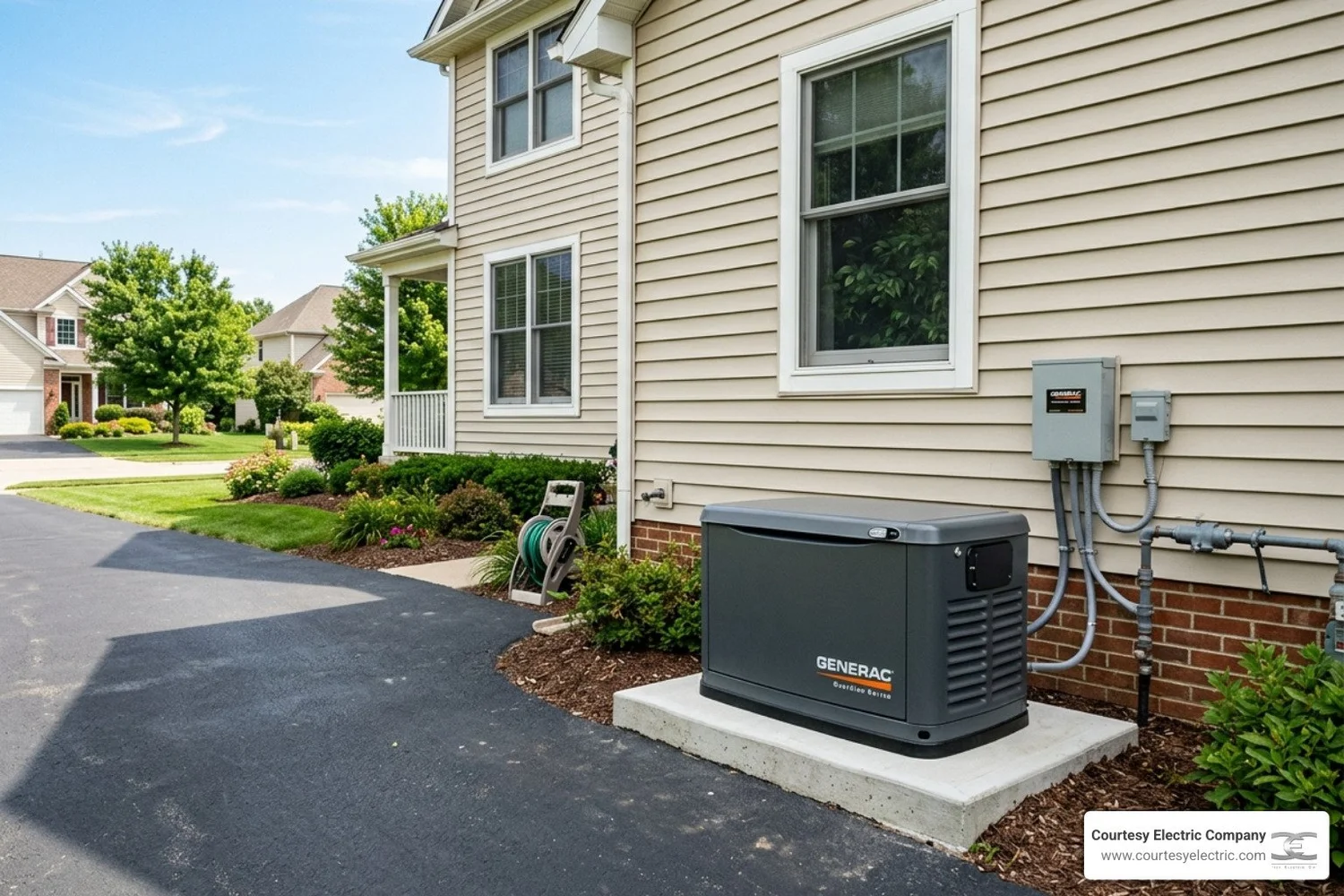
Permanently installed standby generators automatically supply continuous power within seconds of a utility grid failure. Fueled by natural gas or liquid propane, these systems run indefinitely during extended grid blackouts, making them ideal for heavy electrical loads like central heat pumps and electric water heaters. Automatic transfer switches constantly monitor utility voltage, seamlessly engaging the generator engine when incoming grid power drops below safe threshold levels.
Residential battery storage systems offer quiet, instantaneous backup power using high-capacity lithium iron phosphate technology. Charged by solar panels or grid electricity during off-peak hours, batteries power critical household circuits without producing localized carbon emissions or engine noise. However, battery systems require careful load management during multi-day outages, as high-draw heating elements can deplete storage capacity rapidly without continuous solar replenishment.
Partnering with certified electrical contractors for generator installation Yakima guarantees that automatic transfer switches comply with National Electrical Code utility isolation standards. Proper electrical isolation prevents dangerous backfeeding, protecting line technicians working on utility poles from high-voltage hazards. Professional technicians calculate peak motor-starting currents, ensuring your backup system handles heavy appliance surges without stalling or dropping line voltage across sensitive household electronics.
Sizing Methodologies and Fuel Logistics
Determining correct backup wattage requires separating continuous running watts from initial motor-starting surge requirements. Refrigerator compressors, sump pumps, and well systems demand up to three times their normal operating power when starting up. Sizing a system solely on running wattage leads to voltage sags and system overloads, causing electronic control boards in modern kitchen appliances to fail or reset unexpectedly.
Fuel logistics represent another vital consideration when selecting a permanent power solution for your residential property. Natural gas connections provide an uninterrupted fuel supply during emergencies, eliminating the need to store or handle volatile liquid fuels. Liquid propane tanks offer an excellent alternative for rural properties off natural gas mains, providing stable fuel storage that does not degrade over long periods of standby inactivity.
Key Factors in Selecting Backup Power
Evaluating household energy priorities prevents buying undersized hardware or overspending on unnecessary electrical capacity. Business owners and homeowners should analyze these core operational factors when selecting a permanent residential power backup system:
- Total starting wattage required by heavy inductive loads, including air conditioners and well pumps.
- Availability and reliability of local fuel sources, such as municipal natural gas or bulk propane storage.
- Critical circuit prioritization to keep refrigeration, medical devices, lighting, and internet hardware active.
- Local noise ordinances and physical setback requirements from property lines and bedroom windows.
- Integration capabilities with existing residential solar arrays or smart electrical panel boards.
Installation Compliance and Long-Term Maintenance
Proper site selection and pad installation prevent operational issues and structural safety hazards over the equipment lifespan. Standby generators must sit on concrete or compacted gravel pads positioned away from windows and doors to prevent carbon monoxide infiltration. Installing concrete pad footings prevents ground settling, keeping the engine level and ensuring internal oil lubrication systems function properly during continuous multi-day runs.
Routine preventative care preserves engine reliability and ensures fast starting response when utility outages strike suddenly. Modern standby generators run automated weekly self-test cycles to exercise internal engine parts, charge starter batteries, and verify controller functionality. Changing engine oil, replacing air filters, and inspecting battery terminal connections annually keeps your backup system prepared to take over full household electrical loads smoothly.
Investing in a professionally engineered backup power solution converts unpredictable utility outages into minor, manageable inconveniences. Proper load calculation, safe transfer switch wiring, and routine maintenance safeguard your household against extended blackouts. Taking a structured approach to emergency power selection protects your property, supports remote work continuity, and keeps your family safe through every severe weather event.
Secure Household Power
Selecting the right backup power solution protects your home, preserves food supplies, and maintains continuous climate control during severe utility outages. Analyzing electrical loads, choosing suitable fuel sources, and installing code-compliant transfer switches ensures reliable energy delivery when the grid fails. Take control of your home’s energy resilience today by scheduling a professional load assessment with a certified specialist to design a custom backup system.
Apart from that if you want to know about How Heat Pumps Are Revolutionizing Home Comfort in Cambridge then please visit our Home Improvement Category.