

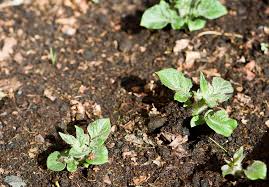
Potatoes make a nutritious and versatile staple. You can grow them in your garden or backyard. Cultivating potatoes is an enjoyable experience for any gardener, beginner or experienced. Not only are you able to harvest your produce, but you can also reap the nutritional benefits of potatoes. They are rich in vitamins, minerals, and dietary fiber. This guide walks you through how to grow your potatoes in a small space.
- Pick The Right Potato Variety
Choose the right potato varieties for your climate and to suit your culinary tastes. Many potato varieties have distinct characteristics.
- Russet Potatoes: Their fluffy texture makes them ideal for frying and baking.
- Potatoes Red: They are great for boiling, roasting, or salads due to their waxy texture.
- Yukon Gold: Excellent for soups, soups, roasting or mashing.
- Potatoes Fingerlings – The perfect potato for roasting.
When selecting a potato, consider your local weather and how you plan to use it. Seed potatoes, small tubers of potatoes, or pieces with a minimum of one eye are recommended for grocery store potatoes. They are disease-free and intended for planting.
- Prepare Seed Potatoes
A healthy crop depends on the preparation of seed potatoes. How to prepare them:
- Chitting: Approximately 4-6 weeks before planting, keep your seed potatoes cool and in a bright place. This encourages sprouting, and the chitting process helps plants start off strong.
- Chopping: When your seed potato is large, you may want to cut it into smaller pieces. Make sure that each piece has at least an eye. Allow the cut surfaces to dry for one or two days.
- Select The Planting Location
Potatoes prefer loose, well-drained organic soil. Here are key considerations:
- Light: Find a spot where you get at least 6-8 straight hours of sun per day.
- Soil Prepared: A slightly acidic pH between 5.0 – 6.0 is ideal for potatoes.
- Leave enough space between plants. Do not plant too close together. If you’re planting in a row, plant them at a distance of about 2-3 feet.
- Planting Your Potatoes
You can now plant your seed potatoes.
- Digging Tracts: Dig trenches 6-8″ deep and 2-3′ apart. Plant the seed potatoes in the trench about 12″ apart.
- Planting Deepness: Place them with their eyes up, then cover the potatoes with 4-6 inches of soil.
- Hilling: Adding soil around the stems as the plant grows will encourage the growth of tubers and prevent them from being exposed to sunlight and turning green.
- Care And Maintenance
Proper care can ensure a healthy harvest of potatoes:
- Watering: Ensure that the soil is consistently moistened but not flooded. Watering potatoes regularly is important, especially during tuber development. Avoid overhead irrigation to reduce the likelihood of disease.
- Fertilizing: To provide essential nutrients to robust plant growth and tuber development during the growing season, apply a balanced organic fertilizer or compost at midseason.
- Storing Your Potatoes
The shelf life of potatoes can be extended by storing them properly.
- Curing: Leave harvested potatoes to dry in a cool, well-ventilated area for 1 to 2 weeks. This helps harden the skin and heals any minor wounds or bruises.
- Storage Conditions: Store cured potatoes in cool, dark, and dry conditions with adequate ventilation. Temperatures between 45-50degF are ideal (7-10degC). Avoid storing the potatoes in the refrigerator, as cold temperatures can change starches into sugars.
- Potatoes Provide A Variety Of Nutritional Benefits
Apart from their versatility, potatoes provide significant nutritional advantages.
- Nutritional Value: Potassium, manganese (and other minerals) are found in potatoes. These nutrients promote immune function and energy metabolism.
- Dietary Fiber: Potatoes contain both soluble and insoluble fiber, which helps with digestion and maintain healthy cholesterol levels.
- Inflammation: Carotenoids (carotenoids) and flavonoids (flavonoids) are antioxidants that reduce inflammation and protect the human body from free radicals.
Conclusion
Potato cultivation at home may be a simple and enjoyable endeavor. This will provide you with both the nutritional benefits of potatoes and the satisfaction that comes from a satisfying and fulfilling experience. By following the steps in this guide, you will be able to cultivate a healthy crop of potato tubers and enjoy them throughout the growing season. No matter if you are growing potatoes in a container or a garden with oodles of space, they will flourish if given the proper care. Enjoy the journey, and you’ll soon be able to enjoy the rewards of your work with delicious dishes that demonstrate the humble potatoes’ versatility and nutritional benefits.
Read more about our “Food” category.