


Introduction
Dealing with an unclogged bathtub drain, especially when it’s full of hair, can be frustrating. However, several effective methods can help clear the blockage and restore proper drainage. Below, we break down the most reliable techniques to unclog a bathtub drain using tips from leading plumbing experts.
Here is a table summarizing the methods and tools mentioned for unclogging a bathtub drain full of hair:
| Method | Description | Tools/Materials Needed | When to Use |
| Remove and Clean the Stopper | Twist or unscrew the drain stopper or strainer to manually remove visible hair and dirt. | Gloves, screwdriver (if needed) | The first step in clearing surface-level clogs |
| Manual Removal with Hands | Wear gloves and manually pull out the hair clogs from the drain. | Gloves | For surface-level hair clogs |
| Use a Hook or Drain Snake | Insert a hook (e.g., bent wire hanger) or plumber’s snake into the drain to pull out deeper hair clogs. | Wire hanger, plumber’s snake | For clogs deeper in the drain |
| Baking Soda and Vinegar Solution | Pour 1/2 cup baking soda and 1/2 cup vinegar into the drain. Let it sit for 15-30 minutes, then flush with boiling water to dissolve the clog. | Baking soda, vinegar, boiling water | Eco-friendly solution for mild to moderate clogs |
| Boiling Water | Pour boiling water into the drain to break up soap scum and grease, helping to flush out hair. | Boiling water, funnel | For clogs caused by soap buildup and grease |
| Plunging | Create suction using a plunger to help dislodge hair clogs. | Plunger, water, petroleum jelly (optional for better seal) | For tougher clogs that are resistant to other methods |
| Wet/Dry Vacuum | Use a wet/dry vacuum in “wet” mode to suck up the hair clog from the drain. | Wet/dry vacuum | For deep or stubborn clogs |
| Chemical Drain Cleaners | Pour chemical drain cleaner into the drain to dissolve the hair and clog. Use with caution to avoid damage to pipes. | Chemical drain cleaner | Last resort, use sparingly |
| Calling a Professional | If DIY methods fail, a plumber can use specialized tools to remove persistent or complex clogs. | Professional plumbing service | For severe or unresolvable clogs |
Simple Steps to Keep Your Bathtub Drain Flowing
Maintaining a clear bathtub drain often begins with understanding the common causes of clogs and applying simple techniques to keep water flowing smoothly. Many stoppages are caused by a buildup of hair, soap residue, and grime, which can gradually restrict water flow if not addressed. Regularly using tools like a drain snake or a plunger can help remove these blockages before they become severe, while preventive measures—such as a drain cover to catch hair and periodic flushing with warm water—can minimize future issues. For more stubborn clogs, techniques like manually removing debris with a flexible tool or using safe, natural cleaning methods that break down accumulated material can restore proper drainage without harsh chemicals. These straightforward practices not only help unclog a bathtub drain when needed but also support long-term plumbing health.
How to Unclog a Bathtub Drain Full of Hair?
Step 1. Remove and Clean the Stopper
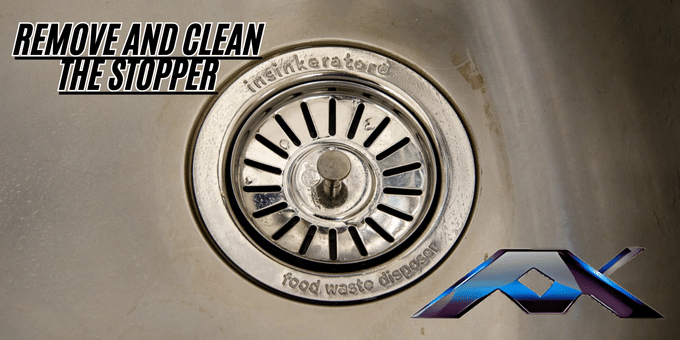
Before tackling the clog, first, remove the drain stopper or filter, which often accumulates hair and soap scum. Usually, you can twist or unscrew it to do this. Once removed, clean off any visible debris around the stopper. If needed, use a screwdriver to help dislodge stubborn dirt.
Step 2. Use Your Hands (With Gloves)

Wear gloves and manually pull out the hair clogs if you’re comfortable with a hands-on approach. This is especially useful if the blockage is near the surface. Although it may not be glamorous, physically removing the hair can be one of the quickest methods.
Step 3. Fishing With a Hook or Snake Tool
Using a hook or drain snake (a plumber’s auger) is another effective technique. A simple DIY solution is creating a hook from a wire coat hanger. Push the tool into the drain, twist, and pull out the hair. Drain snakes can go deeper into the pipes to tackle hair clogs out of reach. You may need to repeat this process to remove all the debris.
Step 4. Baking Soda and Vinegar Solution
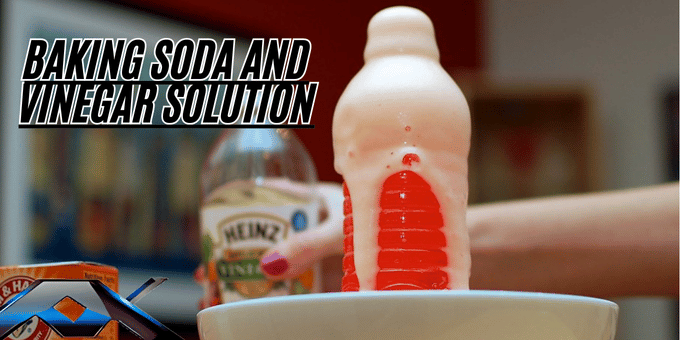
A popular and eco-friendly option involves using baking soda and vinegar. Start by pouring about 1/2 cup of baking soda into the drain, followed by 1/2 cup vinegar. This combination creates a fizzing chemical reaction that helps break up the clog. Allow the mixture to sit for 15-30 minutes before flushing the drain with boiling water. This method not only removes clogs but also helps eliminate odors.
Step 5. Boiling Water
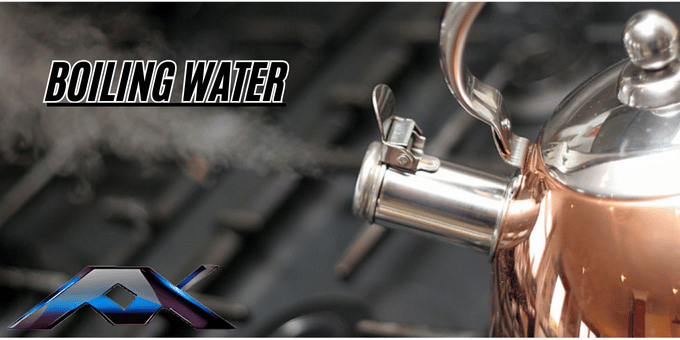
Boiling water can work wonders when clearing grease and soap buildup that traps hair. Pour a kettle of boiling water directly into the drain. For best results, use a funnel to guide the water. This method may need to be repeated several times depending on the severity of the clog.
Step 6. Plunging
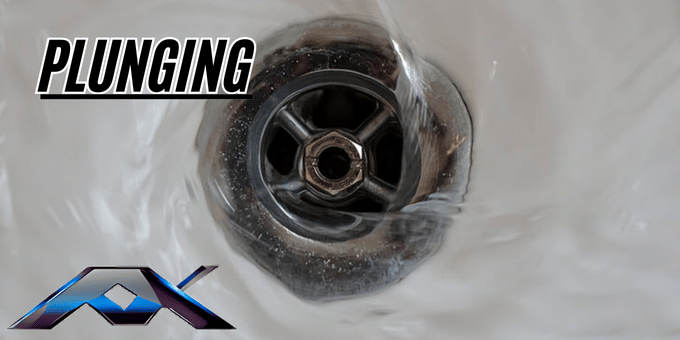
A plunger can also be used to remove hair clogs. To improve suction, ensure the tub is partially filled with water before plunging. For better results, apply petroleum jelly to the plunger’s edges, which helps create a tighter seal around the drain. Keep plugging until you notice the water starting to drain.
Step 7. Using a Wet/Dry Vacuum
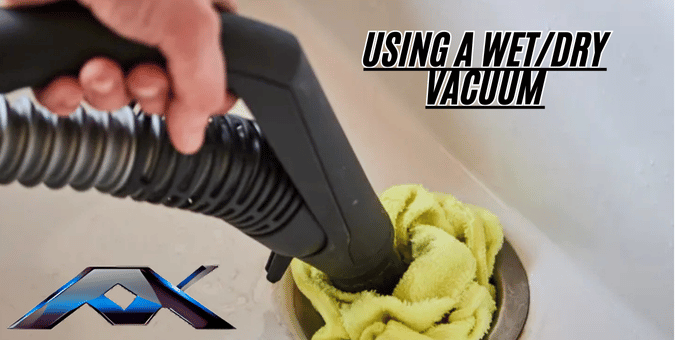
Owning a wet/dry vacuum can be a powerful tool in clearing hair clogs. Set the vacuum to “wet” mode, remove any filters, and create a tight seal over the drain with the hose. The suction power can help pull out stubborn clogs that other methods might not reach.
Step 8. Chemical Drain Cleaners (Use with Caution)
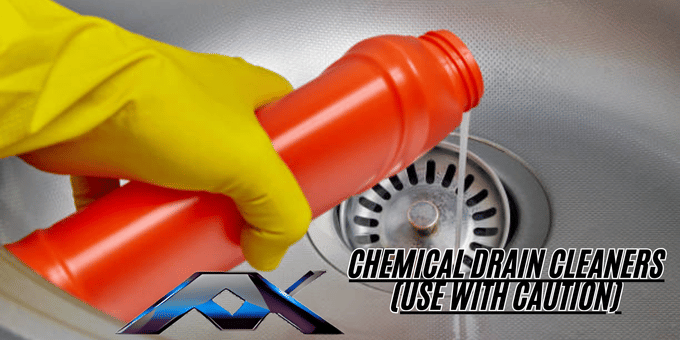
If natural methods fail, chemical drain cleaners may be a last resort. However, be cautious when using these products, as they can harm pipes, especially in older homes. Always follow the manufacturer’s safety instructions, and use these cleaners sparingly.
Step 9. Calling a Professional

If none of the DIY methods work or you are dealing with persistent clogs, it might be time to call a professional plumber. They can assess the situation and use specialized equipment to address more complex blockages.
Preventing Future Hair Clogs
Once your drain is free from hair clogs, you can take preventive measures to avoid future problems. Consider using a drain cover or strainer to catch hair before it goes down. Regularly cleaning the drain and using baking soda and vinegar once a month can also help keep it clear.
Conclusion
Unclogging a bathtub drain full of hair doesn’t have to be daunting. With a mix of basic tools and home remedies like baking soda and vinegar or even a simple plunger, you can tackle the problem efficiently. However, if the clog persists, professional help may be necessary to avoid damage to your plumbing system.
If you want to read an interesting article about it, explore our “Home Improvement” category.
FAQs
Hair in a drain can be dissolved with baking soda if it’s plugged. Pour a cup of baking soda down the drain to test this simple and safe procedure at home.
All you have to do for this DIY solution is pour boiling water down the bathtub drain. Next, fill the drain with one cup of vinegar and baking soda.
To achieve this, bring a pot of water to a boil on the stove and then pour the water down the drain. You can use a pouring cup or a funnel to make this easier. Test your shower after slowly pouring it down the drain and waiting a little while.
You can often use warm water, baking soda, and vinegar together to help break down buildup, followed by flushing with more hot water.
Signs of a clog include slow draining water, standing water after use, gurgling noises, and unpleasant odors coming from the drain.