


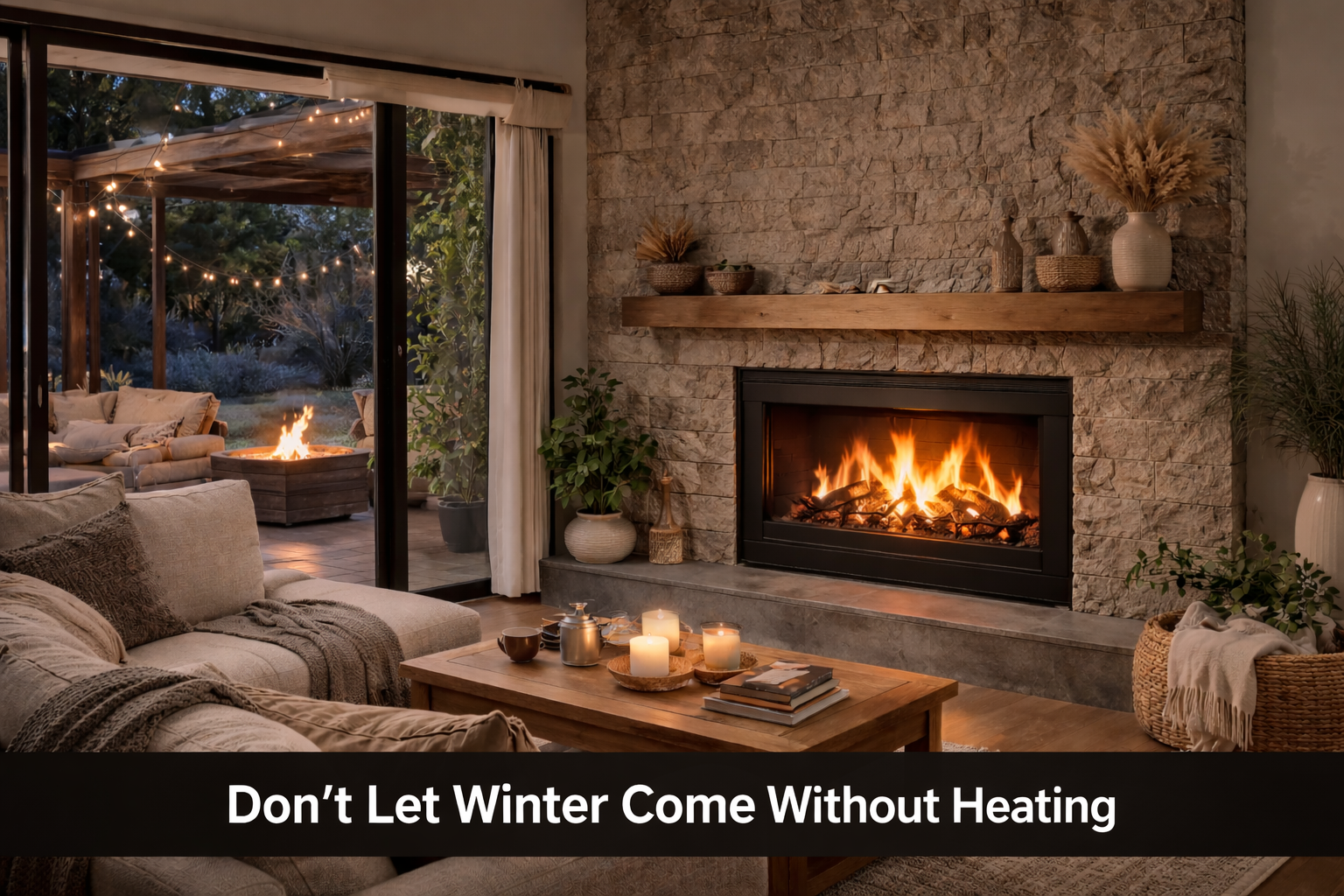
One week the weather feels manageable. The next week, the temperature drops and everyone starts thinking about heating at the same time.
That is when delays happen. Popular models may be harder to secure. Installation slots can fill up quickly. Small setup requirements can slow everything down.
If you plan early, you avoid that rush.
This guide will help you think through the key decisions before winter starts, so your home stays warm, comfortable, and ready when the cold arrives.
Why Early Planning Matters Before Winter
Avoid The Last-Minute Rush
Many homeowners wait until they feel the cold indoors before taking action.
By then, demand is already higher. This can reduce your options and create unnecessary pressure when you are trying to choose the right heating solution.
Planning earlier gives you breathing room. You can compare options properly instead of making a quick decision under stress.
Give Yourself Time For Installation Steps
Heating installation is not always a same-day or same-week job.
Depending on the setup, there may be site checks, product availability, installation materials, and scheduling requirements to manage. If any one of these is delayed, your timeline can shift.
Starting early helps everything move more smoothly.
Budget More Accurately
A lot of people focus only on the price of the unit.
In reality, the final cost may also include installation work, compliance-related parts, and site-specific requirements. When you plan ahead, you can budget more clearly and avoid surprises.
Start With How You Want To Heat Your Home
Think About Daily Use First
Before looking at styles, think about how your household will actually use the heating.
Do you need warmth in the main living room every evening? Are you heating a large open-plan area? Or do you want a more focused heating option for one part of the home?
The answers will shape the best solution.
Match Heating To Your Space
Not every room needs the same type of heating.
A small enclosed room has different heating needs compared to a large family area. Room size, ceiling height, insulation, and layout all play a part in what works well.
It is also worth thinking about how often the room is used. A space used every day may need a more practical and consistent heating setup than a room used only occasionally.
Balance Heat And Visual Appeal
For many homeowners, heating is not just about temperature.
It is also part of the room design. A fireplace can become a focal point and add character to the space, especially in living areas where people gather most.
A freestanding gas fireplace can be a strong choice if you want dependable heat and a feature look in the same unit. It suits many home styles and can work well for regular winter use.
Installation Readiness Can Make Or Break Your Timeline
Check The Space Early
A common reason installations get delayed is simple. The space has not been checked properly in advance.
Before installation, it is important to confirm clearances, access, ventilation needs, and where the unit will sit within the room. These details matter for both safety and performance.
A quick early assessment can save a lot of time later.
Understand What Is Needed Beyond The Fireplace
Choosing the fireplace is only one part of the process.
The installation also depends on the correct supporting components. These need to suit the appliance and the way your home is built.
For example, the right fireplace flue kit is essential for safe installation and proper operation. It must match the heater and the flue path required for the property layout.
Older Homes May Need Extra Attention
Older homes, renovated homes, and homes with unique layouts may need additional planning.
This does not mean the project becomes difficult. It just means early checks are even more important. The earlier these details are identified, the easier it is to plan installation properly.
Indoor Heating Choices For Comfort, Style, And Everyday Use
Focus On Practical Comfort
Indoor heating should feel good to live with, not just look good in photos.
Start by thinking about the amount of warmth you need in the room. A heater that is too small may struggle during colder weeks. A unit that is too large may not be the best fit for a compact space.
Getting the size and output right makes a big difference to day-to-day comfort.
Consider Ease Of Use And Maintenance
A good heating solution should suit your routine.
Think about how easy it is to operate, how often you will use it, and what ongoing maintenance may be involved. These practical details often matter more over time than people expect.
The best setup is usually the one that fits comfortably into everyday life.
Think About Local Conditions
Climate and location can influence the right choice.
Homes in cooler inland or highland areas may have different heating priorities compared to milder coastal homes. Local conditions, home design, and room usage patterns all affect what will work best.
If you are researching options in cooler areas, a page focused on gas fireplace sutton forest may help with more location-specific considerations and internal linking relevance.
Do Not Forget Outdoor Heating Before the Entertaining Season
Outdoor Spaces Need Winter Planning Too
Many Australian homes make great use of outdoor living areas.
Patios, alfresco zones, and covered entertaining spaces can still be enjoyed in cooler months, but only if the space is comfortable enough to use. This is where outdoor heating becomes important.
Planning early gives you more flexibility with placement and setup.
Create A More Usable Entertaining Area
Outdoor heating can make a big difference to how often the space gets used.
It can help extend the time spent outdoors, improve guest comfort, and make the backyard feel more inviting during winter. It also adds atmosphere, which is a big part of why people invest in outdoor spaces in the first place.
Combine Warmth And Visual Appeal
Outdoor heating can also be a design feature.
An outdoor wood fireplace can bring both warmth and character to an entertaining area, creating a focal point for family gatherings and cooler nights.
As with indoor heating, correct positioning and setup are important for safety and performance.
Safety, Compliance, And Long-Term Performance
Safe Setup Matters
Heating should always be installed with safety and compliance in mind.
Correct clearances, suitable components, and proper installation practices help protect your home and improve the unit’s performance. A good setup supports both comfort and peace of mind.
Performance Starts With Proper Installation
When installation details are right, the heater is more likely to operate as intended.
Poor setup can lead to issues such as reduced heat output, ongoing maintenance problems, or performance that falls short of expectations. Getting it right from the start helps avoid frustration later.
Regular Maintenance Helps Over Time
Heating systems benefit from regular servicing.
Routine checks can help maintain performance, identify wear early, and keep the unit running smoothly through winter. A little maintenance before the season starts can prevent bigger issues later.
A Simple Pre-Winter Heating Checklist For Homeowners
What To Do Before The Cold Sets In
Use this checklist to stay organised before winter begins:
- Identify which rooms need heating most
- Set a budget that includes product and installation costs
- Check your space and service requirements
- Arrange a site assessment early
- Confirm product availability and installation timing.
- Plan for maintenance and servicing
A short checklist like this can save time and reduce last-minute stress.
Conclusion
Winter heating decisions are easier when they are made before the cold arrives. Planning early gives you better choices, more time for installation, and a smoother overall process. It also helps you choose a heating solution that suits your home, rather than settling for what is available at the last minute.