

Source
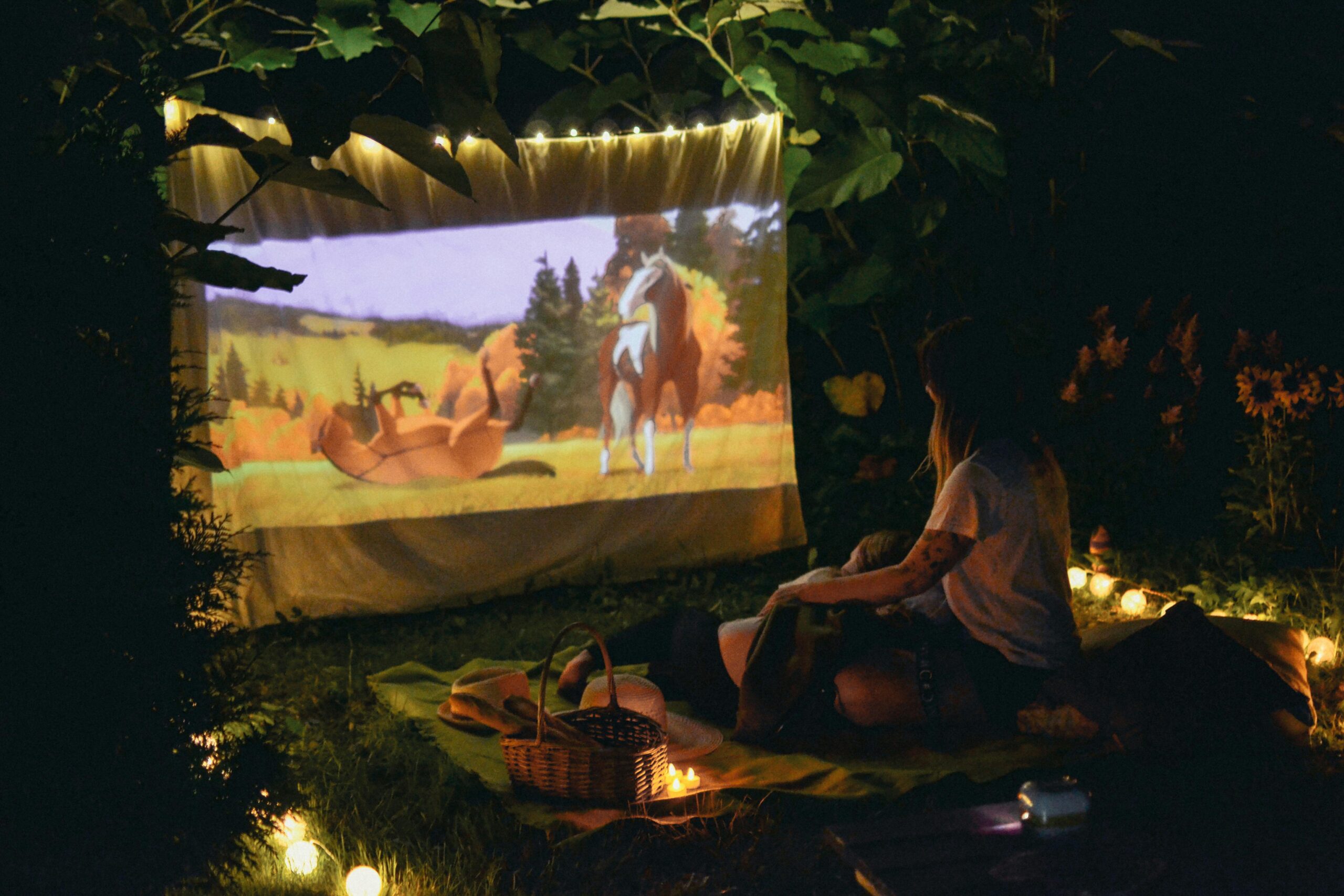
Summer has a way of raising expectations without saying a word. Longer evenings, warmer air, and that natural pull to stay outside just a little longer. That’s exactly why outdoor movie nights sound great in theory but fall apart so easily in practice. Not because the idea is complicated, but because the setup usually gets treated like an afterthought.
You’ve probably seen it happen. The screen shifts halfway through, someone keeps adjusting the volume, people get up more than they should, and by the time things settle, the moment’s already lost its rhythm. A good outdoor movie night doesn’t need expensive gear. It needs a setup that stays out of the way. Once everything feels steady, people stop noticing the setup and start enjoying the night the way it was meant to feel.
If You Don’t Check the Space, It Will Check You
Before anything gets set up, the space itself needs a quick reality check. Outdoor seating areas, fences, pergolas, and even the corners you don’t usually think about. Summer is exactly when bees and wasps get active, and they don’t care that you’re planning a relaxed movie night.
Skipping this step usually shows up at the worst time. Someone notices movement, someone else hears it, and suddenly the focus shifts away from the screen. Taking time to control bees and wasps this summer keeps that from happening. And if you want to tackle the problem once and for all, it makes sense to hire the experts.
Your Screen Shouldn’t Be Competing with the Night
Nothing breaks the flow faster than a screen that keeps demanding attention. Glare, awkward angles, or a setup that shifts even slightly once the movie starts. It turns a simple experience into something that constantly needs fixing.
A stable, glare-free placement changes everything. Once the screen is locked in and positioned properly, it disappears into the background in the best way possible. No adjustments, no second-guessing, no one standing up to “fix it for a second.” The movie runs, and the setup stays quiet. If you want to go deeper, read Pet Owner’s Guide to a Fur-Free, Fresh-Smelling Home.
Sound Isn’t About Volume
Cranking up the volume feels like the easiest fix, but it rarely solves the problem. It just creates a different one. Sound gets uneven, dialogue gets lost, and people closer to the speakers end up adjusting themselves instead of enjoying the movie.
Positioning speakers at the right height makes a noticeable difference. When sound reaches people naturally, without needing to be pushed, everything feels more balanced. Conversations on screen stay clear, background noise doesn’t compete as much, and no one feels the need to keep asking for adjustments.
Light Can Work with You or Against You
Outdoor movie nights rely on darkness, but not complete darkness. Too much light ruins the screen, but no light at all makes the space awkward to move through. Finding that balance is where things start feeling intentional instead of thrown together.
Using darker fabrics or surfaces around the setup helps absorb stray light instead of reflecting it toward the screen. It sounds minor, but it keeps visuals sharp and easier to watch. At the same time, subtle lighting along pathways keeps things functional without stealing attention. People can move, grab something, or shift seats without turning the whole setup into a distraction.
Movement Should Feel Easy, Not Constant
The moment people keep getting up during a movie, the experience starts breaking down. It’s rarely because they want to. It’s because the setup didn’t account for it. Snacks too far away, no place to set things down, or a layout that doesn’t support staying in place.
A simple side table setup fixes most of that instantly—drinks, snacks, small essentials all within reach. No one needs to interrupt the flow just to grab something. It keeps the focus where it belongs, on the screen, while everything else quietly supports the night instead of pulling people away from it.
Wind Will Ruin the Setup Before You Notice It
Everything can feel perfectly set until a light breeze shows up and starts interfering. Screens shift slightly, sound carries unevenly, and suddenly the setup doesn’t feel as stable as it did a few minutes earlier. It’s not dramatic enough to stop the movie, but it’s just disruptive enough to break immersion.
A simple wind barrier changes that completely. It doesn’t have to be elaborate. Even a basic shield or smart positioning against a wall or patio can be good enough.
Define the Space So It Feels Like a Setup, not a Scatter
Without a defined area, outdoor movie nights tend to feel spread out and slightly unstructured. People sit wherever, movement overlaps, and the space never quite feels like it’s working together. It looks fine, but it doesn’t feel cohesive.
Outdoor rugs or mats fix that faster than expected. They anchor the seating area and give it a clear boundary without needing anything complicated. Once that zone is established, everything naturally falls into place. People know where to sit, where to move, and where the “movie space” actually begins.
Power Should Never Be the Weak Point
Nothing kills the mood faster than everything shutting off mid-scene. It doesn’t matter how good the setup looks if it can’t hold through the night. Power interruptions tend to show up right when things are finally flowing, which makes them even more frustrating.
Having a backup ready removes that risk entirely. A charged power source or a secondary option doesn’t need to be used often, but knowing it’s there keeps the setup reliable.
Test It Before Anyone Shows Up
Waiting until the movie starts to figure out if everything works is where most setups fall apart. Something always needs adjusting. The screen isn’t aligned quite right, the sound feels off, or the connection isn’t stable. Fixing it in the moment pulls everyone out of the experience before it even begins.
Running a quick test beforehand avoids all of that. A few minutes of checking visuals, sound, and connections keep everything smooth once people are actually there.
Cables Shouldn’t Be Part of the Experience
Cords stretched across the space, loosely placed connections, or cables running through walkways create more than just a visual issue. In low light, they turn into actual obstacles. People step around them, hesitate while moving, or worse, trip over them.
Managing cables properly keeps the space clean and safe. Tucking them along edges, securing them in place, or simply planning their path ahead of time makes a noticeable difference.
A smooth outdoor movie night can be achieved easily—no distractions, no constant adjustments, no small issues pulling attention away from the moment. Summer nights already bring the atmosphere. The setup just needs to support it without getting in the way.
Apart from that, if you want to know more about Signs It May Be Time to Consider a Hearing Aid then visit our Lifestyle category.